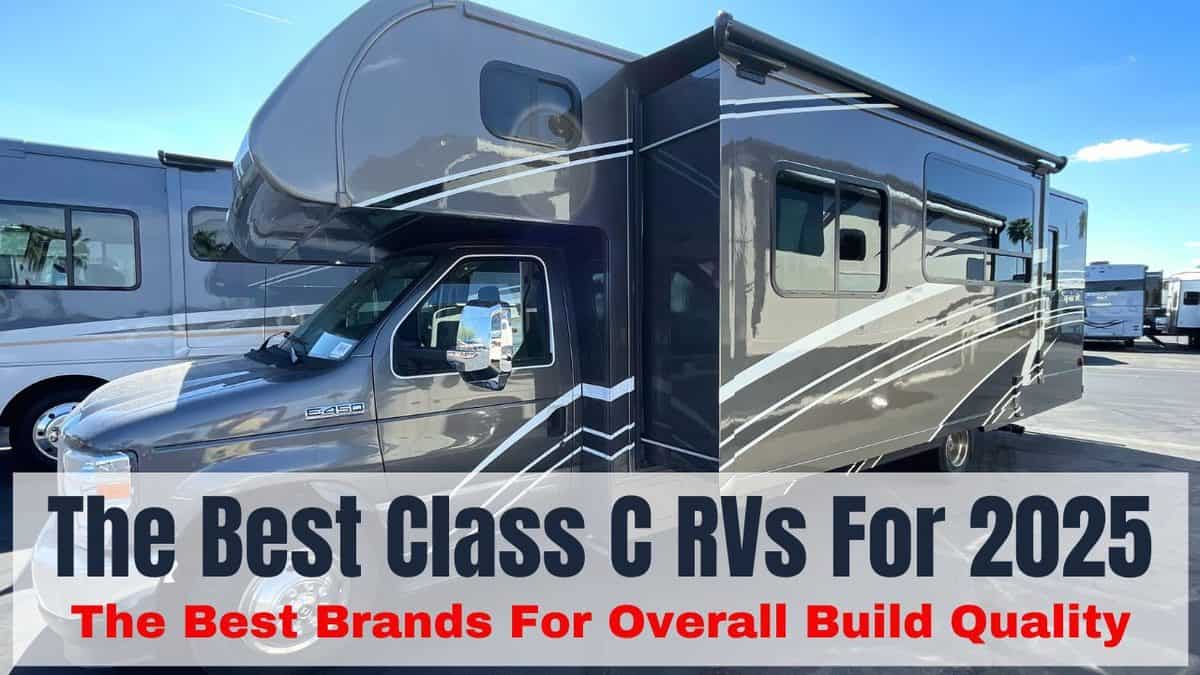
Best Class C RVs for 2025: Two Brands Worth Considering

What are the best Class C RVs for 2025?

Well, first of all, Class C RVs continue to be some of the most popular motorhomes on the market.

They offer plenty of living and sleeping space while remaining more affordable than many Class A, Class B, and Super C motorhomes.

They are especially popular with families, weekend travelers, and RV owners who want a self-contained motorhome without moving into the higher price ranges of the luxury categories.

However, not all Class C motorhomes are built to the same standard. Some manufacturers emphasize low prices and high production numbers, while others devote more attention to construction quality, materials, and customer support.

So which brands deserve a place on your shopping list?

In this article, we’ll examine the advantages and disadvantages of Class C motorhomes. Then I’ll share two of the best new Class C RV brands from the 2025 model year—one from the premium end of the market and another offering more affordable choices.
My video about the best Class C RVs for 2025

What Is a Class C RV?

A Class C is a motorhome built on a cutaway van or truck chassis. The cab, engine, transmission, steering, and much of the chassis come from an established vehicle manufacturer.

The RV manufacturer then builds the living area behind and above the cab.

The most recognizable Class C feature is the area extending over the cab. It often contains a bed, although some manufacturers use that space for storage or an entertainment center.
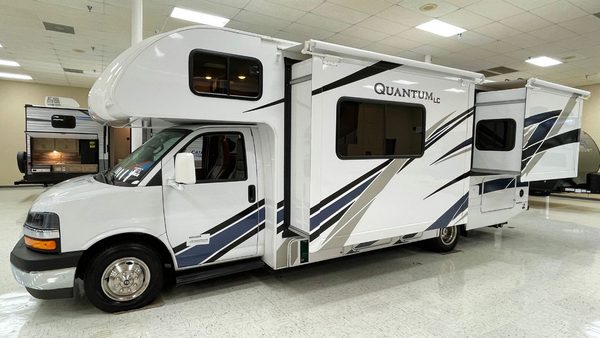
A typical Class C RV

Most gasoline-powered Class C RVs are built on a Ford E-Series chassis, particularly the E-350 and E-450.
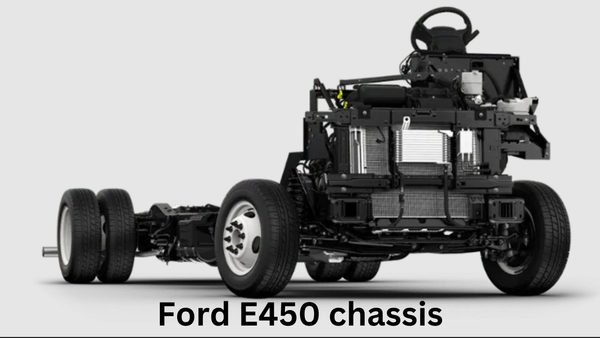
Ford E450 chassis

Some smaller models use a Chevrolet chassis, while compact diesel models may use a Mercedes-Benz Sprinter or Ford Transit.

For this article, though, we are mainly focusing on the traditional gasoline-powered Class C market.

A Class C is often considered the entry point into motorhome ownership because many models cost less than comparable Class A and Class B motorhomes.

That does not mean they are inexpensive, especially after the price increases of recent years. However, they generally provide a great deal of usable space for the money.

Class C motorhomes also come in many lengths and floorplans. You can find a relatively small coach without slideouts or choose a model longer than 30 feet with multiple slides and room for a larger family.

This variety allows buyers to match the motorhome more closely to their camping style, family size, and budget.

If you are comparing smaller motorhomes, my article on the pros and cons of Class B and Class C RVs will help explain the differences.

Advantages of a Class C Motorhome

Before discussing the best Class C RVs for 2025, let’s consider why you might want this type of motorhome in the first place.

Plenty of Sleeping Capacity

Class C motorhomes are often among the best choices for families.

The cab-over bed provides a sleeping area that does not have to be converted every night. Depending on the floorplan, the RV may also include a permanent bed, bunk beds, a sofa bed, and a convertible dinette.

Some larger Class C models can accommodate six, eight, or even more people. Of course, the number of seat belts and the available cargo capacity must also be considered before traveling with a large group.

Still, few other motorhome types provide as many sleeping options at a comparable price.

A Wide Variety of Sizes

Class C RVs are available in a much wider range of sizes than many buyers realize.

A small Class C may be easier to drive, park, and fit into older campgrounds. It may also be less likely to need a separate vehicle for local transportation.

On the other hand, a longer Class C with one or more slideouts can provide a surprisingly spacious interior. These models may include a walk-around bed, larger bathroom, full kitchen, bunk beds, and more comfortable seating.

The tradeoff is that longer motorhomes can be harder to maneuver and may not fit into every campsite. Therefore, think carefully about where you plan to camp before automatically choosing the largest floorplan.

Familiar Cab and Driving Position

Because a traditional Class C is built on a cutaway van chassis, the cab feels familiar to many drivers.

You have driver and passenger doors, a conventional dashboard, and an engine positioned ahead of you. That can make the transition from a pickup truck or large passenger vehicle feel less intimidating than moving directly into a Class A motorhome.

The engine and chassis can often be serviced by commercial truck facilities familiar with Ford or Chevrolet products. However, you should confirm that a local service center has enough space and lifting capacity for the completed motorhome.

Good Value for Vacation and Weekend Travel

Class C RVs are especially well suited to vacations, weekend trips, and seasonal camping.

They provide the conveniences of a motorhome, including a kitchen, bathroom, sleeping area, generator, and climate control. At the same time, many models remain more affordable than larger or more luxurious motorhomes.

Although some people live full-time in Class C RVs, there may be better choices for extended travel if you want more storage, cargo capacity, residential features, and living space.

My guide to the best Class C RVs for full-time living can help you explore that subject further.

Disadvantages of a Class C RV

No RV category is perfect for everyone. Class C motorhomes provide good value, but buyers should understand their limitations before making a purchase.

Limited Exterior Storage

Most traditional Class C motorhomes do not offer as much exterior storage as a Class A.

The chassis frame, drivetrain, fuel tank, holding tanks, and other components consume space beneath the RV. As a result, the storage compartments are often smaller and may not extend all the way across the coach.

That may not be a serious concern for weekend camping. However, limited storage can become frustrating during longer trips or full-time travel.

Pay attention to the Cargo Carrying Capacity as well as the available storage space. A large compartment is not useful if the RV has very little remaining capacity for your belongings.

Floorplans Can Feel Conventional

Class C designs have not changed dramatically over the years. Most still follow familiar layouts involving a cab-over bed, roadside slideout, central kitchen and bathroom, and rear bedroom.

There is nothing necessarily wrong with these traditional layouts. In fact, they remain popular because they work well for many families.

However, buyers looking for cutting-edge design, advanced electrical systems, or unusual floorplans may find more innovation in some Class B and B-plus motorhomes.

Fewer High-Tech Features

Price is a major selling point in the Class C market, so manufacturers must decide where to control their costs.

As a result, entry-level models may have fairly basic electrical systems, appliances, cabinetry, furniture, and entertainment features. They may not include the lithium battery banks, large inverters, advanced solar systems, multiplex wiring, or integrated controls found in more expensive motorhomes.

Of course, simpler systems can also be easier and less expensive to repair. So a lack of advanced technology is not necessarily a disadvantage for every buyer.

Ride and Handling Can Be Disappointing

Ride and handling are common complaints among owners of traditional Class C motorhomes.

The Ford E-Series chassis is durable and widely used, but it is fundamentally a commercial platform. Once an RV body has been installed and loaded for travel, the motorhome may experience body roll, wandering, steering corrections, harsh impacts, or movement when large trucks pass.

The motorhome’s wheelbase, rear overhang, loading, alignment, tire pressure, and suspension condition can all affect how it handles.

Before installing aftermarket parts, weigh the motorhome and make sure the tires are inflated correctly for the load. Then inspect the alignment and original suspension components.

If the ride or handling is still unacceptable, upgrades such as better shocks, sway bars, steering stabilizers, track bars, or more advanced suspension systems may help. My article on motorhome suspension upgrades explains how to approach those improvements in the correct order.

Why Class C Build Quality Varies So Much

The Class C market is highly competitive, especially at the entry level. And that’s important to know if you’re looking for the best Class C RVs for 2025.

Manufacturers know that many buyers shop primarily by monthly payment, floorplan, and appearance. Consequently, some builders focus on reducing production costs so their motorhomes can be advertised at the lowest possible price.

That approach may involve lower-cost materials, less robust construction methods, and limited time for quality-control inspections.

It does not mean that every inexpensive Class C is automatically a bad RV. However, the buyer must look beyond attractive décor and determine how the motorhome was constructed.

Pay attention to the roof, wall construction, exterior seams, cabinetry, plumbing access, wiring, cargo capacity, and the way components are secured. These details often reveal more about long-term quality than countertops, televisions, or decorative lighting.

In my opinion, certain manufacturers consistently make a greater effort than others. Two brands worth considering are Coach House and Entegra Coach if you’re looking for the best Class C RVs for 2025.

Coach House: A Premium Class C and B-Plus Choice

Coach House is a small, family-owned RV manufacturer located in Nokomis, Florida. Unlike many motorhome companies, it is not based in the Elkhart, Indiana, manufacturing area.
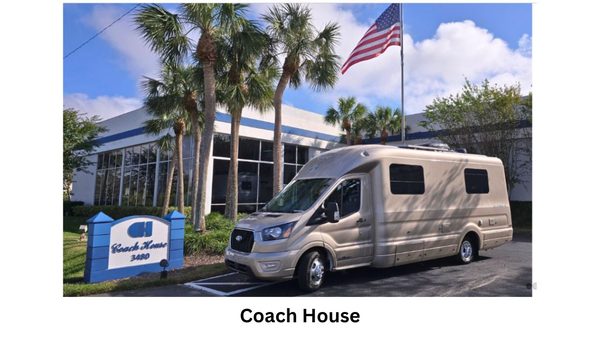
Coach House units are built in Nokomis, FL

Coach House builds its motorhomes in relatively small numbers and sells factory-direct. The company is best known for premium downsized Class C motorhomes, which are also commonly called B-plus motorhomes.

The Class B-plus label is not an official RV classification. In practical terms, it usually describes a streamlined Class C without the large cab-over sleeping compartment found on a traditional family-oriented model.

Coach House’s One-Piece Fiberglass Body

The feature that separates Coach House from most Class C manufacturers is its patented one-piece fiberglass body.
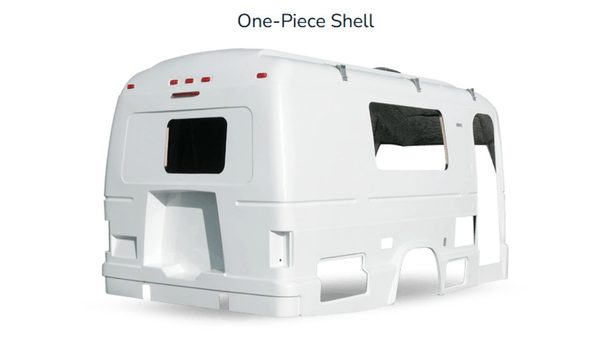
The Coach House one-piece shell design

Most motorhomes are assembled using separate walls, a roof, and front and rear caps. Every place where those sections meet creates a seam that must be sealed and maintained.

Over time, neglected or failed sealant may allow water to enter the roof or walls. Water intrusion can then cause rot, delamination, mold, and extensive structural damage.

Coach House molds the main body as a single fiberglass shell reinforced with carbon fiber. Openings must still be made for windows, roof components, doors, and utilities, so no RV is completely free of potential leak points.

However, eliminating the major roof-to-wall and cap seams substantially reduces the number of areas that require ongoing sealant maintenance.

The molded shell can also contribute to a solid and relatively quiet driving experience.

Coach House Interior Quality

The premium approach continues inside the motorhome.

Coach House uses upscale cabinetry, solid-surface counters, quality flooring, and carefully finished interiors. The overall appearance is more luxurious than what you usually find in a high-production entry-level Class C.

Coach House features an upgraded interior

Because these motorhomes are built in smaller numbers, buyers can also choose from several finishes and options.

However, you should never assume that a premium brand will automatically have the right floorplan. Carefully evaluate the bed, bathroom, kitchen, seating, storage, and cargo capacity before deciding that the construction quality makes it the right RV for you.

Coach House Models to Consider

The 2025 Coach House lineup included several downsized Class C or B-plus choices on different chassis.

The Platinum and Platinum IV used the Ford E-450 platform. Coach House also offered the Platinum II on the Mercedes-Benz Sprinter and the Platinum III on the Ford Transit.

The Platinum IV is the closest match for someone who wants the space and capacity of a traditional gasoline Class C while retaining Coach House’s streamlined design and molded fiberglass construction.

Depending on the floorplan, Coach House Platinum IV models are approximately 27 feet long and include one or two slideouts.

Coach House Pricing

Coach House does not prominently publish conventional MSRP figures, partly because its motorhomes are sold factory-direct and can be equipped with different options.

When the 2025 models were new, advertised prices commonly placed Coach House well above the high-production Class C market, with many examples exceeding $220,000.

So Coach House is not the choice for someone seeking the lowest-priced Class C. It is a brand for buyers willing to pay more for small-volume production, premium materials, and its distinctive one-piece body.

If quality is more important than obtaining the lowest purchase price, Coach House deserves a long, careful look.

Especially if you specifically are looking for the best Class C RVs for 2025.

Entegra Coach: More Affordable Class C Choices

At the more affordable end of these two recommendations is Entegra Coach.

Entegra is part of Jayco, which in turn is owned by THOR Industries. The Entegra name became established in the motorhome market during the late 2000s, initially focusing heavily on luxury diesel pushers.

The company later expanded into gasoline Class A, Class C, Super C, and Class B motorhomes.

Entegra now produces far more motorhomes than Coach House. However, I feel that it offers a good combination of features, construction, customer support, and real-world pricing within the higher-production portion of the Class C market.

Entegra Construction and Features

Many Entegra Class C motorhomes include a one-piece seamless fiberglass roof. That does not eliminate every possible leak point, but it avoids a long seam down the center of the roof.

Depending on the model, you may also find features intended to improve ride and handling, such as front and rear stabilizer bars, upgraded shocks, or computer-balanced driveshafts.

Entegra and Jayco have also emphasized production processes involving an experienced workforce and quality-control checkpoints.

However, buyers should still inspect the exact motorhome they plan to purchase. Brand reputation cannot guarantee that an individual RV left the factory without defects.

The 2025 Entegra Odyssey SE

The Odyssey SE was Entegra’s more value-oriented Class C line. And it deserves to be considered as one of the best Class C RVs for 2025.

The Entegra Odyssey SE was a great lower-cost RV in 2025

It included several floorplans, ranging from more compact models to family-sized coaches approximately 32 feet long. Depending on the floorplan, the chassis could vary, so buyers should verify whether a particular unit uses a Ford E-350, Ford E-450, or Chevrolet platform.

The Odyssey SE can be a good starting point for buyers who want the Entegra name and a practical Class C layout while keeping the price under control.

However, compare the standard equipment carefully. A lower starting price may mean that you must add options or accept fewer convenience features.

The 2025 Entegra Odyssey

The standard Odyssey moved farther up the Class C lineup.
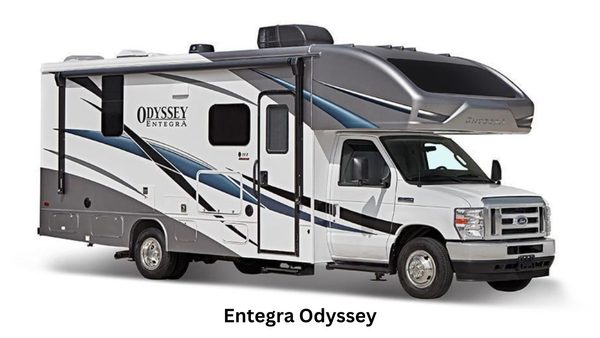
The standard Entegra Odyssey

It offered several family-friendly floorplans with cab-over sleeping, permanent beds, slideouts, and models capable of accommodating larger groups. Many were built on the Ford E-450 chassis with the 7.3-liter gasoline V8.

The Odyssey also offered features and finishes beyond those of the SE line, although the exact equipment varied by floorplan.

For families who expect to take regular vacations and want a recognizable high-production brand, the Odyssey is well worth comparing with similarly priced competitors.

The 2025 Entegra Esteem

The Esteem occupied a more upscale position within Entegra’s gasoline Class C lineup.
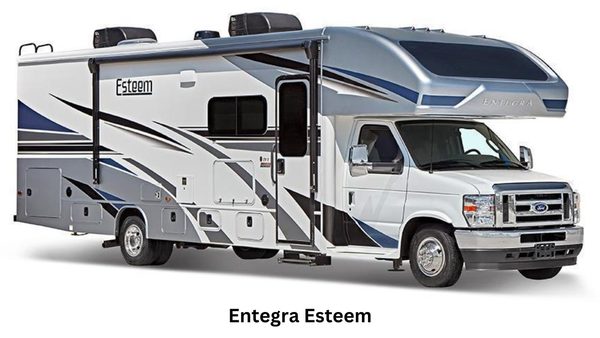
The upper Entegra line of Class C RVs included the Esteem

It generally included higher-level features, interior appointments, and convenience equipment than the Odyssey models. Of course, those improvements also raised the price.

The Esteem may appeal to buyers who like the familiar layout and practicality of a traditional Class C but want more comfort and equipment.

What Did 2025 Entegra Class C RVs Cost?

Depending on the model and floorplan, original 2025 MSRPs ranged roughly from the low-$130,000s for some Odyssey SE configurations to around $200,000 or more for certain Esteem models.

Actual dealer selling prices were often substantially below MSRP. For example, discounts of tens of thousands of dollars were common on high-production Class C motorhomes.

This is why buyers should compare the MSRP, advertised price, included options, dealer fees, and out-the-door price. A large discount does not automatically make an RV a good value if the original MSRP was unusually high.

Are Coach House and Entegra the Only Good Choices?

No. These are two brands from different price levels that I believe provide sensible starting points.

Butt here are lots of other good choices when you’re looking for Class C RVs for 2025.

Coach House represents the premium, small-volume end of the market. Entegra offers more conventional Class C motorhomes through a larger dealer network and at more attainable selling prices.

Several other manufacturers also made 2025 Class C motorhomes worth considering. The goal is not to claim that only two good brands exist, but to narrow a very crowded market into a more manageable starting point.

You can explore more Class C comparisons and recommendations on my Class C motorhome information page.

Use a Complete Buying Process

Choosing a reputable manufacturer is only one part of buying the best new Class C RV.

You must also determine whether the floorplan, size, cargo capacity, sleeping arrangements, storage, chassis, and towing capacity fit your needs.

Research the dealer as carefully as the manufacturer. A good dealer can make warranty repairs and post-sale support much easier, while a poorly managed service department can turn even minor problems into months of frustration.

Also, negotiate the complete transaction instead of concentrating only on the monthly payment. Understand the purchase price, financing terms, dealer fees, trade-in value, and cost of any additional products.

My RV buying resource center provides more information about following the right steps and avoiding expensive purchasing mistakes.

Get Every New Class C Independently Inspected

Finally, arrange an independent inspection before taking delivery of any new motorhome.

A new RV can have plumbing leaks, damaged appliances, improperly installed components, electrical problems, sealant defects, slideout issues, or incomplete factory work.

The factory warranty may eventually cover many of those problems. However, that does not mean you should accept the RV first and spend the next year repeatedly returning it to the service department.

A qualified independent inspector can document defects before the purchase is completed. You can then require the dealer to correct the agreed-upon problems and demonstrate that the repairs were completed properly before delivery.

Learn more about why this matters in my complete guide to RV inspections.

You should also understand what a warranty will—and will not—do for you. My article explaining new RV factory warranties covers that subject in detail.

Frequently Asked Questions About the Best 2025 Class C RVs

What were some of the best new Class C RV brands for 2025?

Coach House and Entegra Coach were two brands worth considering. Coach House appealed to premium buyers, while Entegra offered more affordable high-production choices.

They were not the only good Class C manufacturers, so buyers should compare several brands and floorplans.

Is Coach House a Class C or a Class B-plus?

Coach House describes most of its downsized motorhomes as Class C or B-plus models. B-plus is a marketing term rather than an official RV classification.

They use a cutaway chassis like a Class C but have a more streamlined front cap without the large traditional cab-over bed.

What made Coach House different from other Class C RVs?

Its most distinctive feature was a patented one-piece fiberglass body reinforced with carbon fiber.

The design eliminated several major seams found where the roof, sidewalls, and end caps join on conventionally constructed motorhomes.

Which 2025 Entegra Class C models should buyers consider?

The primary gasoline Class C choices included the Odyssey SE, Odyssey, and Esteem.

The Odyssey SE emphasized value, the Odyssey provided more features and family-oriented choices, and the Esteem occupied a more upscale position.

How much did a new 2025 Class C RV cost?

Pricing varied widely by brand, floorplan, chassis, and equipment.

Original MSRPs for 2025 Entegra gasoline Class C models generally ranged from the low-$130,000s to more than $200,000. Coach House models commonly had advertised prices exceeding $220,000, although actual prices depended on configuration and negotiations.

Are Class C RVs good for families?

Yes. Class C motorhomes frequently provide more sleeping capacity than other motorhomes at a similar price.

The cab-over bunk, convertible dinette, sofa bed, permanent bed, and optional bunk beds make many Class C floorplans especially useful for families.

Is a Class C RV good for full-time living?

A Class C can be used for full-time RVing, but storage space, cargo capacity, tank size, and interior living area may become limitations.

For weekends, vacations, and shorter trips, a Class C is often an excellent choice.

Should a brand-new Class C receive an RV inspection?

Absolutely. New RVs can leave the factory with defects, damage, and improperly installed components.

An independent inspection before delivery allows the buyer to identify problems while the dealer is still strongly motivated to correct them.

Conclusion

Class C motorhomes remain popular because they combine sleeping capacity, usable living space, familiar driving controls, and relatively affordable prices.

However, buyers should not assume that every Class C is built to the same standard simply because the floorplans look similar.

For the 2025 model year, Coach House was an excellent premium choice for buyers who valued small-volume construction and a one-piece fiberglass body. Entegra Coach provided more affordable options through the Odyssey SE, Odyssey, and Esteem lines.

Whichever brand you choose, make sure the motorhome fits your needs, research the dealer, negotiate the complete transaction, and arrange an independent inspection before taking delivery.

Following those steps will give you a much better chance of owning a Class C RV that provides enjoyable travel and camping adventures for years to come.

Have safe and happy travels, my friends!
How to Get Rid of RV Odors and Keep Them From Coming Back

An RV owner has to learn about how to get rid of RV odors if they want to really enjoy their RV.

Because one of the quickest ways to spoil an otherwise enjoyable camping trip is to have a bad odor inside your RV.

Unfortunately, experienced RV owners know that unpleasant smells can develop for several reasons. They may come from the black or gray tank, excess moisture, spoiled food, pets, plumbing components, or something hidden inside the RV.

The key to learning about how to get rid of RV odors is to identify and correct the source. Air fresheners may cover a smell temporarily, but they usually do not solve the actual problem.

So let’s look at five common types of RV odors, what may be causing them, and how you can remove them.

My video on how to get rid of RV odors

1. How to Eliminate RV Sewer Smells

A sewer odor is probably the smell that RV owners complain about most often. It is unpleasant, persistent, and hard to ignore in such a small living space.

Many RVers immediately assume that the black tank needs to be cleaned. That may be true, but an RV sewer smell can come from several other sources too.

Start With the Black and Gray Tanks

Waste can accumulate on the walls and bottom of an RV holding tank. Over time, this material can create stubborn odors that ordinary dumping does not remove.

The black tank gets most of the attention, but do not overlook the gray tank. Food particles, grease, soap residue, hair, and other organic material can build up inside it and produce an odor that is surprisingly similar to a sewer smell.

Start by dumping and thoroughly flushing both holding tanks. If your RV has a built-in black-tank flush, use it according to the RV manufacturer’s instructions.

However, never turn on the black-tank flush and walk away. The black-tank valve should be positioned as required by your system’s instructions, and you must monitor the process continuously to prevent an overflow.

Consider Professional RV Tank Cleaning

If the odor has been present for a long time and normal flushing does not correct it, you may need a professional RV holding-tank cleaning service.

These companies use specialized equipment to remove hardened waste, mineral deposits, and other material from the tank’s interior surfaces. A professional cleaning may also help restore inaccurate tank sensors that have become coated with debris.

To find a service, search online for “RV black tank cleaning service near me.” Some companies operate regionally or nationwide, so compare customer reviews and ask what cleaning method they use.

Once the tanks are clean, good habits can help keep them that way.

Use Plenty of Water in the Black Tank

Too little water is one of the most common causes of RV black-tank problems. And it’s an easy way to get rid of RV odors.

Waste needs enough liquid to remain suspended and flow out of the tank when it is dumped. When RV owners conserve too much water while flushing, solids and toilet paper can accumulate inside the tank.

So use plenty of water with each flush. After dumping, add enough water to cover the bottom of the tank before using it again, following any recommendations from your RV or tank manufacturer.

Also, avoid leaving the black-tank valve open while connected to a sewer at a full-hookup campsite. Liquids can drain away while solids remain behind, eventually creating the dreaded “poop pyramid.”

Keep the valve closed, allow the tank to fill, and then dump it when necessary.

Use an Effective Holding-Tank Treatment

A holding-tank treatment can help control odors and break down waste between dumps. However, it should support good tank practices rather than replace them.

I have had good results with Happy Campers holding-tank treatment, and many other RV owners report similar experiences. Unlike a heavily perfumed product that mainly masks an odor, a good treatment helps manage the waste responsible for it.

Whatever product you choose, make sure it is compatible with your RV’s plumbing system and follow the directions on the container.

If you do, it can be a great way to get rid of RV odors.

Check the Plumbing Before Blaming the Tanks

If cleaning the holding tanks does not eliminate the odor, start checking the plumbing system.

Every sink and shower drain should have water in its P-trap. That water forms a barrier that helps prevent tank gases from entering the RV.

A P-trap can dry out while an RV is stored. Therefore, run a little water into every sink and shower drain before assuming that the tank itself is the problem.

Many RVs also have air admittance valves beneath the sinks. These inexpensive plumbing valves allow air into the drain system but should prevent odors from coming back into the RV.

If an air admittance valve sticks open or fails, gray-tank odors may enter through the cabinet below the sink. Replacing a failed valve often solves a mysterious sewer smell quickly.

Also inspect the toilet bowl seal. A small amount of water should normally remain in the bowl and create a seal against black-tank gases.

If the water gradually disappears, the toilet seal may be dirty, dry, damaged, or worn out.

Finally, examine the roof vents for the holding tanks. A blocked or improperly functioning vent may allow odors to enter the RV instead of escaping above the roof.

2. How to Remove Musty RV Smells

A musty odor usually indicates excess moisture somewhere inside the RV. It is especially common in humid climates and in RVs that remain closed for long periods.

The smell may be coming from damp carpeting, upholstery, bedding, cabinets, storage compartments, or condensation on hidden surfaces.

However, a persistent musty smell may also indicate a plumbing leak, exterior water intrusion, or mold growth. That means it should never be dismissed as nothing more than stale air.

Air Out the RV Thoroughly

Start with the simplest approach: ventilate the RV. It’s a quick and easy way to get rid of RV odors.

Open the windows, doors, and roof vents when weather conditions allow. Turn on the vent fans and use portable fans to keep air moving through the interior.

Remove bedding and cushions if they feel damp or smell stale. Air them outdoors in a dry location when possible.

In many cases, good ventilation will remove an odor caused by an RV being closed for a while. However, if the smell returns shortly after you close it again, excess moisture is probably still present.

Look for the Source of the Moisture

Check beneath sinks, around the toilet, near the shower, and around the water heater and plumbing connections. Feel for damp flooring and inspect inside lower cabinets and exterior storage compartments.

Next, look around windows, doors, roof openings, slideout corners, and wall-to-roof seams for staining, softness, discoloration, bubbling, or other evidence of water intrusion.

Water can travel through an RV’s wall or ceiling before it becomes visible. Therefore, the place where you notice a stain may not be the actual source of the leak.

If you find unexplained moisture or signs of water damage, correct the leak before trying to remove the odor. Otherwise, the smell will continue to return, and the underlying damage may become much more expensive.

For more help preventing these problems, see my collection of RV maintenance tips that can save time and money.

Use Moisture Absorbers Appropriately

Bags of activated charcoal may help capture some odor-causing compounds in the air. They are inexpensive, reusable in some cases, and easy to place in cabinets or storage areas.

A moisture-absorbing product such as DampRid can also help in smaller enclosed areas. These products collect moisture, though, so place them where the container cannot tip or spill while the RV is moving.

Moisture absorbers can be helpful during storage, but they have limited capacity. They will not correct an active water leak or control the humidity in a heavily damp RV.

But used correctly, they are a great way to get rid of RV odors.

Use an RV Dehumidifier

A small dehumidifier may be a better solution if you live or camp in a humid area.

Choose one that is appropriate for the size and temperature of your RV. Also, make sure you can empty it regularly or arrange for safe continuous drainage.

A simple digital hygrometer can help you monitor the relative humidity inside the RV. If the humidity remains high for extended periods, moisture can collect on windows, walls, mattresses, and other cool surfaces.

Reducing the humidity helps protect the RV as well as making the interior feel and smell more comfortable.

According to the EPA, mold needs moisture and oxygen to grow, so controlling the moisture source is the essential first step—not merely covering the resulting odor. Learn more about moisture and mold from the EPA.

3. How to Remove Odors From an RV Refrigerator

RV refrigerators are compact, and there is very little space for an unpleasant smell to disperse. A leaking container or forgotten food item can make the entire refrigerator smell bad.

The problem becomes even worse when an RV refrigerator is turned off and closed during storage.

This affects a lot of RVers and is a good reason why you should learn how to get rid of RV odors from this source.

Empty and Clean the Refrigerator

Remove all food, shelves, drawers, and removable containers. Check carefully for spills beneath the drawers and along the edges of the shelves.

Clean the interior with a mild solution recommended by the refrigerator manufacturer. A mixture of baking soda and water is commonly used because it cleans without leaving a strong perfume behind.

Use a soft cloth to wipe the walls, shelves, seals, drawers, and door compartments. Do not use harsh cleaners or abrasive pads that could damage the interior surface.

After cleaning, dry everything thoroughly before returning the shelves and drawers.

Check the Drain and Drip Area

Some RV refrigerators have a condensate drain tube that carries moisture to a small collection or evaporation container outside the refrigerator.

If the drain becomes blocked or the container accumulates dirty water and debris, it may produce an unpleasant odor. Consult the refrigerator manual to find and clean these components safely.

Also inspect the door seals. Food residue and moisture can collect in the folds where they may not be immediately visible.

Keep the Doors Open During Storage

When the refrigerator is turned off, remove all food and wipe the interior dry. Then leave the refrigerator and freezer doors propped open.

Many RV refrigerators have a storage position or latch that holds the doors slightly ajar. This airflow helps prevent mildew and stale odors from developing.

Placing an open box of baking soda inside may help absorb mild food odors while the refrigerator is operating. However, it is still important to clean spills and remove old food instead of relying entirely on the baking soda.

You can find more information about caring for major RV components in my RV systems and equipment guide.

4. How to Control Pet Odors in an RV

Many of us love traveling with our pets, but a small RV can hold pet odors more noticeably than a house. And they are one of the biggest reasons you may have to get rid of RV odors.

Hair, dander, damp fur, bedding, accidents, and litter boxes can all contribute to the problem. Fortunately, a regular cleaning routine can keep most pet smells under control.

Clean the Pet and Its Belongings

Regular grooming and bathing can reduce the amount of odor, hair, and dander brought into the RV. Of course, not every pet is enthusiastic about bath time, including ours.

Wash pet bedding and blankets regularly. Clean food bowls, water bowls, carriers, toys, and any favorite places where your pet sleeps.

Vacuum upholstery, carpets, and corners where hair collects. If your RV has removable cushion covers, wash them according to the manufacturer’s instructions.

For an accident on carpet or upholstery, use a cleaner designed to break down pet-related organic material. Always test the product in an inconspicuous area first to make sure it does not damage or discolor the surface.

Consider a Small Air Purifier

A portable air purifier with an appropriate particle filter can help capture airborne pet hair and dander. A unit that includes activated carbon may also reduce some odors.

Choose a purifier sized for the RV’s interior and replace or clean its filters as recommended. A dirty filter can reduce performance and may eventually become a source of odors itself.

However, remember that an air purifier is a supplement to cleaning. It cannot remove the source of an odor from dirty bedding, carpet, upholstery, or a hidden pet accident.

5. How to Track Down a Strong Unidentified RV Odor

Sometimes an RV develops a strong smell that does not respond to ordinary cleaning. When that happens, do not immediately try to overpower it with fragrance or a more aggressive treatment.

Instead, become an odor detective. It’s the first step in learning how to get rid of RV odors.

Try to determine where the smell is strongest and when it appears. Does it become worse when the air conditioner runs, when a particular sink is used, after rain, or when the RV has been closed?

Those clues may lead you to the actual cause.

Check for Hidden Sources

Inspect areas that are easy to overlook, including:

  • Beneath and behind furniture
  • Under mattresses and cushions
  • Inside cabinets and exterior compartments
  • Around plumbing connections
  • Near heating ducts and floor registers
  • Behind the refrigerator
  • Around the water heater
  • Beneath sinks and the shower
  • Inside the basement or underbelly
  • Near the house batteries
  • Around stored food and pet supplies

A dead rodent, damaged battery, electrical component, propane leak, plumbing leak, or hidden water intrusion can all create a strong odor.

If you smell propane, rotten eggs, burning material, hot wiring, or overheated plastic, leave the RV and investigate from a safe location. Do not use an open flame or operate electrical switches while trying to find a possible gas leak.

Contact a qualified RV technician or emergency service when appropriate.

Should You Use an Ozone Generator in an RV?

Ozone generators are sometimes promoted as a solution for stubborn odors, and professional restoration companies may use ozone under controlled conditions.

However, I no longer recommend that an RV owner casually buy an inexpensive ozone generator and operate it as a general air cleaner.

The EPA warns that inhaled ozone can damage the lungs and cause coughing, chest pain, throat irritation, and shortness of breath. It may also worsen asthma and other respiratory conditions.

In addition, concentrations low enough to remain within public-health limits are generally ineffective against many indoor contaminants and odor-causing chemicals. Ozone can also produce irritating byproducts and damage rubber, electrical-wire coatings, fabrics, dyes, and other materials—all of which may be present in an RV.

If severe smoke or another deeply embedded odor remains after the source has been removed, consult an experienced restoration professional. Nobody, including people, pets, or plants, should be exposed to an ozone treatment, and the RV must be properly ventilated and confirmed safe before reentry.

You can read the complete EPA guidance concerning ozone generators.

The Best Way to Keep an RV Smelling Fresh

The most effective approach to RV odor removal follows three steps:

  1. Find and eliminate the source.
  2. Ventilate the RV with fresh outdoor air.
  3. Use appropriate air cleaning or moisture control as a supplement.

That order matters. Fragrances, charcoal, air purifiers, and moisture absorbers can be useful, but none can permanently correct a dirty holding tank, failed plumbing valve, leaking roof, pet accident, or spoiled food.

Regular cleaning and maintenance will also prevent many odors from developing. My article about the biggest RV mistakes owners make covers other simple habits that can help protect your RV.

And the tips found in this article should help you be able to get rid of RV odors effectively.

Frequently Asked Questions About RV Odors

Why does my RV smell like sewer gas?

Possible causes include dirty black or gray tanks, a dry P-trap, a failed air admittance valve, a toilet bowl seal that will not hold water, or a blocked holding-tank roof vent.

Start by identifying where the smell is strongest before paying for a tank cleaning or replacing components.

Why does my RV smell like sewer gas after dumping?

Waste may remain in the tanks, or the dumping process may create pressure changes that allow odors to enter through a plumbing problem.

Flush the tanks, add water back to the black tank, fill dry P-traps, check the toilet seal, and inspect the air admittance valves and roof vents.

How do I stop my RV black tank from smelling?

Use plenty of water, keep the black-tank valve closed between dumps, flush the tank regularly, and use a suitable holding-tank treatment according to its directions.

If hardened waste has accumulated, a professional tank cleaning may be needed.

Why does my RV smell musty?

A musty RV smell usually indicates excess moisture. The cause may be humidity, condensation, damp fabric, a plumbing leak, or exterior water intrusion.

Air out the RV, reduce the humidity, and inspect carefully for moisture damage. If the odor returns, continue looking for the underlying source.

Can I leave DampRid in my RV during storage?

A moisture absorber may help in a small, enclosed RV, but its container can fill and spill. Position it securely, inspect it regularly, and follow the product instructions.

For ongoing high humidity, a properly sized dehumidifier may provide better control if reliable electrical power and safe drainage are available.

Will an air purifier remove RV odors?

An air purifier can reduce airborne particles, and activated carbon may help with certain odors. However, it cannot eliminate an odor source such as dirty fabric, standing water, spoiled food, a plumbing problem, or a contaminated holding tank.

Is an ozone generator safe to use in an RV?

Ozone can harm people and animals, and it may damage materials inside an RV. It should never be used as an air purifier in an occupied space.

For an extreme odor requiring restoration work, consult a qualified professional rather than treating the RV casually with a consumer ozone machine.

Conclusion

Unpleasant RV odors are more than an annoyance. In some cases, they are an early warning of a holding-tank problem, plumbing failure, moisture intrusion, electrical issue, or another condition that deserves attention.

So do not settle for covering a bad smell with perfume. Locate the source, correct the underlying problem, clean the affected area, and then use ventilation, moisture control, or air filtration where appropriate.

When you follow that process, your RV can continue looking good, working well, and smelling fresh throughout your camping and travel adventures.

Have safe and happy travels, my friends!
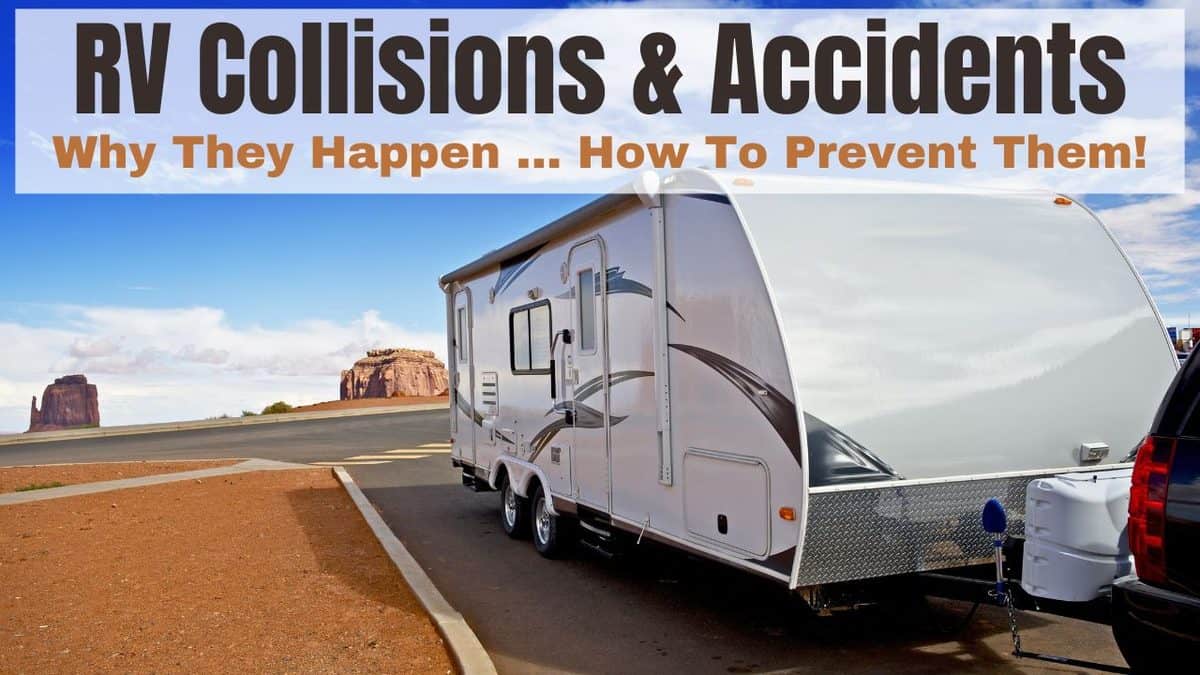
RV Accidents: 6 Common Causes and How to Avoid Them

What causes RV accidents and how can you avoid them?

Most people buy an RV because they want to travel, enjoy new adventures, and make good memories with family and friends. Nobody starts an RV trip expecting to be involved in an accident.

However, driving a motorhome or towing a travel trailer or fifth wheel is very different from driving an ordinary passenger vehicle. RVs are longer, wider, taller, and much heavier, so they require more planning and attention from the driver.

The good news is that many RV accidents can be prevented. When you understand the most common causes of RV accidents, you can take practical steps to reduce your risk and travel with greater confidence.

So let’s look at six common causes of RV accidents and what you can do to avoid them.

My video about RV accidents and how to avoid them

Why Driving an RV Requires More Attention

Modern vehicles are comfortable and easy to drive, so it can be tempting to approach RV travel the same way you would an ordinary road trip. But the additional size and weight of an RV change almost everything.

For instance, an RV usually needs more room to stop, more space to turn, and more time to merge into traffic. A motorhome may also have large blind spots, while a towable RV introduces additional concerns involving hitch equipment, trailer sway, and weight distribution.

Conditions that seem minor in a car can become serious when you are driving a large motorhome or towing a heavy trailer. That is why good preparation and conservative driving habits are so important.

1. Driving an RV While Tired

Driving a motorhome or towing an RV requires concentration. You must constantly monitor traffic, road conditions, mirrors, clearances, and the movement of the RV itself.

Unfortunately, fatigue develops gradually. You may not realize how tired you are until your concentration and reaction time have already started to decline.

Stop Before You Feel Exhausted

One of the best ways to prevent fatigue-related RV accidents is to stop regularly. Get out of the vehicle, walk around, stretch, and get your blood circulating again.

A short break can make a noticeable difference in how alert you feel. It also gives you an opportunity to walk around the RV and look for tire, hitch, cargo, or exterior problems.

Do not wait until you are struggling to keep your eyes open. By that point, you should have already been off the road.

RV accidents can be caused by driving tired

Use a Conservative RV Travel Schedule

I use a personal travel guideline that I call the 3-3-300 rule. I try to arrive at my destination by 3:00 in the afternoon, travel no more than about 300 miles in one day, and avoid driving for more than three consecutive days without taking a longer rest.

That schedule helps me stay relatively fresh while traveling. It also allows time to deal with traffic delays, fuel stops, bad weather, or unexpected problems without feeling pressured.

Of course, you can adjust the rule to fit your needs. Some RVers may be more comfortable with a 2-2-200 approach or another schedule that reduces their daily driving time.

The particular numbers are not as important as the principle: plan your trip around your ability to remain alert, not around the maximum distance you could possibly cover.

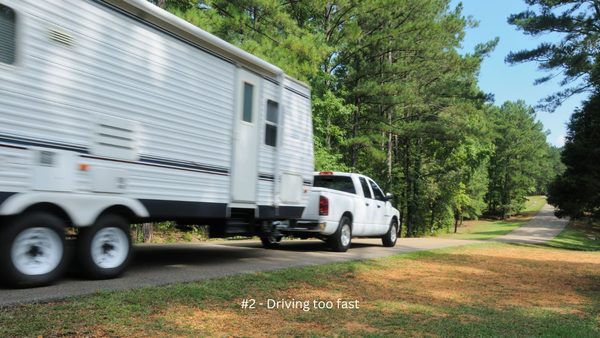
2. Driving an RV Too Fast

RV travel is not a race, although you would never know that from watching some RVers on the highway.

Driving a travel trailer too fast

The faster you travel, the less time you have to react to changing conditions. Speed also increases the distance needed to slow or stop a heavy RV.

A passenger vehicle may be able to make a sudden lane change or stop quickly when traffic backs up. A large motorhome or a truck towing a heavy trailer cannot always respond as easily.

Find a Comfortable and Controllable Speed

Many RVs travel comfortably in the 60-to-65-mph range under good conditions. However, the correct speed always depends on the road, traffic, weather, your RV, your tires, and your level of experience.

Posted speed limits represent the maximum legal speed under favorable conditions. They are not a requirement to travel that fast when conditions are poor.

So if traffic is heavy, visibility is limited, or the road is wet or winding, slow down even further. Give yourself enough time and space to respond smoothly instead of making sudden corrections.

Increase Your Following Distance

Because an RV takes longer to stop, leave more room between your rig and the vehicle ahead. This space becomes especially important when traveling downhill or on wet pavement.

Other drivers will occasionally move into the opening you created. That can be frustrating, but simply back off again and restore a comfortable following distance.

A few extra minutes on the road is a very small price to pay for having more time to avoid RV accidents.

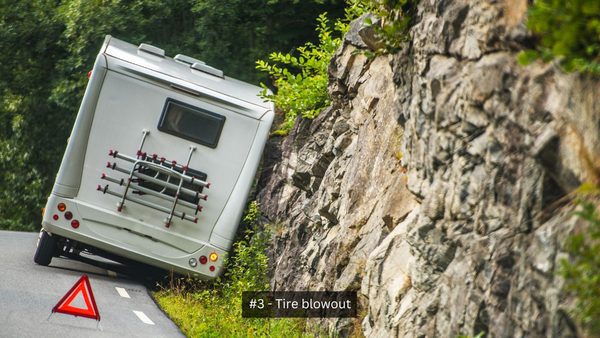
3. Tire Blowouts and Tire Failures

An RV tire blowout can be frightening, especially when it happens at highway speed. Depending on which tire fails, it may also make the RV much more difficult to control.

RV tire blowout

Some tire failures are caused by damage or manufacturing defects. However, failures can also result from age, improper inflation, excess heat, overloading, or a combination of these factors.

That means RV owners should pay close attention to both tire condition and the actual weight of their RV.

Know Your RV’s GVWR

Every RV has a Gross Vehicle Weight Rating, usually abbreviated as GVWR. This is the maximum allowable weight of the fully loaded RV.

You should find the GVWR on the RV’s certification or vehicle identification label. However, that number does not tell you what your RV currently weighs.

The only reliable way to determine the loaded weight is to take the RV to a certified public scale. A CAT Scale is a convenient option for many RV owners.

Load the RV as you normally would for travel before weighing it. Include passengers, water, fuel, food, clothing, camping gear, tools, and anything else you routinely carry.

Remember that an RV can exceed its weight rating before its storage compartments appear full. If you want to learn more about this subject, my article on the biggest travel trailer buying mistakes explains why actual loaded weights matter so much.

Check More Than the Total Weight

The total weight is important, but weight distribution matters too. Ideally, the RV should be weighed in a way that reveals how much weight is being carried by each axle.

If possible, obtaining individual wheel-position weights provides even better information. An RV can be under its overall GVWR and still overload one axle or one tire position.

Towable RV owners must also consider tongue weight or pin weight, the tow vehicle’s payload capacity, its Gross Combined Weight Rating, and the ratings of the hitch and other towing equipment.

Use the Correct Tire Pressure

Tire pressure should be checked when the tires are cold and before beginning a travel day. The correct pressure depends on the RV, the tires, and the load they are carrying.

Do not determine pressure solely by looking at a tire. A tire can be dangerously underinflated without appearing flat.

For a more detailed explanation, see my guide to correct RV tire pressures.

And if those checks show that you need to add air, my RV air compressor guide explains the options for different rigs.

Install a Tire Pressure Monitoring System

I also highly recommend using a tire pressure monitoring system, commonly called a TPMS.

A good TPMS monitors tire pressure while you travel, and most systems also monitor tire temperature. It can warn you when a tire is losing pressure or becoming unusually hot before the problem turns into a catastrophic failure.

A TPMS cannot prevent every blowout, but it can provide valuable advance warning. I have personally benefited from traveling with one, and I consider it an important piece of RV equipment.

Finally, inspect your tires regularly for cracking, bulges, cuts, uneven wear, and other damage. RV tires frequently age out before they wear out, so tread depth should never be your only consideration.

You can find additional guidance in my article on how to make RV tires last longer.

4. Driving an RV in Heavy Wind

Motorhomes, travel trailers, and fifth wheels have large sidewalls that can catch the wind like a sail. As a result, strong crosswinds can push an RV sideways or make it difficult to remain centered in the lane.

Heavy wind can cause driving problems

The effect can be even more noticeable when you pass an opening between trees or buildings. Large trucks can also create sudden changes in airflow as they approach and pass.

Check the Wind Gusts, Not Just the Average

Before traveling, check the weather along your entire route—not just at your current location or final destination.

Pay particular attention to the forecast wind gusts. A steady wind may be manageable, but a much stronger gust can arrive unexpectedly and move a large RV quickly.

Also consider the direction of the wind in relation to your route. A strong headwind can reduce fuel economy, but a strong crosswind can create a more serious handling problem.

Know When to Get Off the Road

If strong wind begins moving your RV around and you no longer feel comfortable maintaining control, slow down and find a safe place to stop.

Do not continue simply because you want to stay on schedule. Waiting a few hours—or even until the next day—is far better than risking an RV accident.

Your personal wind limit may be different from another RVer’s. The size and type of RV, its weight, the tow vehicle, road conditions, and your experience all affect how the rig responds.

So if the conditions do not feel right to you, do not let another driver pressure you into continuing.

5. Taking a Large RV onto the Wrong Road

An ordinary GPS app may calculate the fastest route without considering the height, length, width, or weight of your RV.

That can lead you toward low-clearance bridges, weight-restricted roads, narrow streets, tight turns, or roads where larger vehicles do not belong.

By the time you recognize the problem, turning around may be extremely difficult.

Use RV-Specific GPS Directions

Google Maps works very well for passenger vehicles, but it is not designed to route large RVs according to their dimensions and weight.

Instead, use a GPS device or navigation app designed for RV travel. Enter accurate information about the height, length, width, and weight of your rig so the system can choose an appropriate route.

I also recommend having more than one source of RV-friendly directions. Comparing two routes can alert you to a potential problem before you encounter it.

My article about how to use RV Trip Wizard explains one way to plan RV-friendly routes and transfer them to a mobile device for navigation.

Use Satellite Images to Examine Your Destination

Although Google Maps should not be your only routing tool, its satellite view can be very useful.

Before arriving at a campground, fuel station, or other destination, look at the property from above. Identify the entrance, internal roads, trees, buildings, fuel pumps, and possible places to turn around.

You can also check whether the campground office is located before or after a narrow turn. A few minutes of advance planning can prevent a difficult situation with a large RV. Our Hidden Cove RV Resort review describes a sharp bridge turn that almost put us in a tough spot after check-in, and the gentler approach we recommended.

6. Small RV Accidents Caused by Driver Error

Not every RV accident happens at highway speed. In fact, many RV owners damage their rigs while turning, backing, parking, refueling, or entering a campsite.

These accidents may involve a tree, post, building, fuel pump, campground pedestal, or another vehicle. They often occur because the driver misjudges how the rear of the RV tracks through a turn.

A motorhome with a long rear overhang can also swing outward in the opposite direction of the turn. Meanwhile, the wheels of a long RV may track much closer to the inside of a corner than the front of the vehicle.

Get RV Driver Training

Professional RV driver training can help you become more comfortable with turning, braking, backing, mirrors, and managing the size of your rig.

Training is especially valuable for first-time owners moving directly from a passenger vehicle into a large Class A motorhome, fifth wheel, or long travel trailer.

However, even experienced RVers can benefit from instruction when changing to a substantially larger or different type of RV.

Practice in an Empty Parking Lot

You can also build valuable experience by practicing in a large, mostly empty parking lot.

Use cones or other harmless markers to practice turning without cutting the corner too closely. Learn how the rear wheels track and how far the back of the RV swings during a turn.

Practice braking at low speeds so you become familiar with how the RV responds. You can also work on backing into a simulated campsite from both directions.

The purpose is not to perform every maneuver perfectly. It is to learn how your particular RV behaves before you must make the same maneuver around solid objects.

Get Out and Look

Before backing into a campsite or other confined area, get out and inspect it. I like to remember this with the letters GOAL: Get Out And Look.

Look for posts, tree branches, rocks, picnic tables, utility pedestals, ditches, and other obstacles. Do not forget to look upward for low branches and behind the RV for objects that may disappear below your mirrors or camera.

When traveling with another person, agree on simple hand signals before backing. If you lose sight of your spotter, stop immediately until you can see them again.

Even with a spotter and a backup camera, it is still the driver’s responsibility to stop whenever the situation becomes unclear.

Create a Simple RV Pre-Trip Routine

Many RV accident causes can be reduced by following a consistent routine before every travel day.

Your inspection does not have to be complicated. However, it should include the items that could affect your ability to control the RV or keep exterior components secured.

Before leaving, check:

  • Tire condition and cold tire pressure
  • Wheel and lug-nut condition
  • Hitch, coupler, safety chains, and breakaway cable
  • Trailer electrical connection
  • Motorhome or tow-vehicle fluid levels
  • Lights, turn signals, and brake lights
  • Mirrors and backup cameras
  • Steps, awnings, antennas, and slideouts
  • Compartment doors and entry doors
  • Loose exterior and interior cargo
  • Your planned route and weather conditions

Walking around the RV one final time before pulling away only takes a few minutes. However, it can prevent expensive damage and serious trouble on the road.

For more ownership and upkeep information, visit my collection of RV maintenance tips.

Frequently Asked Questions About RV Accidents

What causes most RV accidents?

There is no single cause behind every RV accident. Common contributing factors include driver fatigue, excessive speed, inexperience, improper loading, tire failure, strong wind, poor route planning, and misjudging turns or stopping distances.

Distracted driving, following too closely, and failing to adjust for weather can also increase the risk.

What is a safe speed for driving an RV?

There is no single speed that is right for every RV and every road. Many RVers find that approximately 60 to 65 mph provides a comfortable balance under good highway conditions.

However, you may need to travel much slower because of traffic, rain, wind, road conditions, tire speed ratings, or the handling characteristics of your RV.

How often should I stop while driving an RV?

Plan regular stops before you begin feeling tired. The appropriate interval will depend on the driver, but stopping every couple of hours to walk, stretch, and inspect the RV is a reasonable routine.

If you are becoming drowsy or having difficulty concentrating, stop as soon as you can do so safely.

Can Google Maps route an RV safely?

Google Maps does not normally consider all the height, weight, width, and length restrictions that apply to a large RV. Therefore, it should not be your only source of directions.

Use an RV-specific GPS or navigation app for routing. Google Maps can still be helpful for reviewing traffic and examining destinations with satellite imagery.

Can an RV be overloaded even if there is storage space available?

Yes. Available storage space does not indicate available carrying capacity.

An RV can exceed its GVWR, axle rating, tire capacity, or hitch-related limits while cabinets and storage compartments are still partly empty. Weighing the fully loaded RV is the only reliable way to know where you stand.

Is professional RV driver training necessary?

It may not be legally required for many privately operated RVs, but it can be extremely helpful. Professional instruction can shorten the learning process and help you understand braking, turning, backing, blind spots, and emergency handling.

At a minimum, every new RV owner should practice in an open area before navigating busy roads or confined campgrounds.

Final Thoughts on Preventing RV Accidents

There are many possible causes of RV accidents, but fatigue, excessive speed, tire problems, high winds, poor routing, and driver inexperience are among the most preventable.

The goal is not to become afraid of RV travel. It is to respect the additional size and weight of your rig and leave yourself enough time, space, and flexibility to handle unexpected situations.

Slow down, stop before you become tired, monitor your tires, watch the weather, plan an RV-friendly route, and practice handling your rig. Those simple habits can help you avoid many of the problems that lead to RV collisions.

Most of all, remember that getting there safely is more important than getting there quickly.

Have safe and happy travels, my friends