LiquidSpring Motorhome Suspension: Is It Worth the Cost?

So is the LiquidSpring motorhome suspension upgrade worth it or not?

Well, gas-powered motorhomes offer several important advantages.

They generally cost less than diesel pushers, and can be serviced by more repair facilities.

They also use familiar Ford or Chevrolet commercial chassis that have proven themselves over many years.

But ride quality and handling can be a different story.

In fact, many gas motorhome owners complain about a harsh ride, excessive body roll, steering corrections, wind sensitivity, and the push-and-pull effect caused by large trucks passing on the highway.

And although several aftermarket suspension upgrades can help, they don’t completely change the basic suspension under the RV.

But LiquidSpring motorhome suspension upgrades take a much different approach.

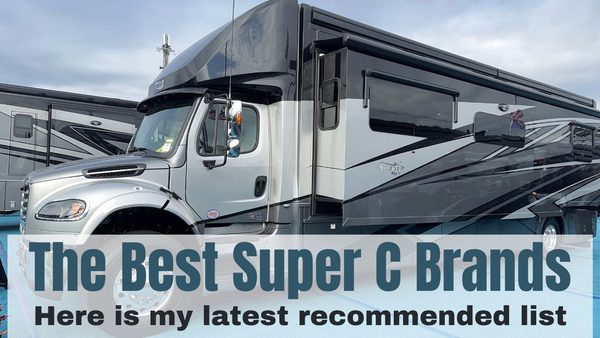
You can watch my video on LiquidSpring by clicking on the image below.

LiquidSpring motorhome suspension

Instead of adding another component to the factory suspension, it replaces the original suspension with a computer-controlled system that continuously responds to driving conditions.

Now I had heard many positive reports about LiquidSpring, but I wanted to experience it for myself.

So at the 2024 Hershey RV Show, I took test drives in two very different motorhomes equipped with the system.

And in this article, I’ll explain how LiquidSpring motorhome suspension works and what I noticed during those test drives.

And I’ll also discuss which motorhomes may qualify for the system, and whether this expensive motorhome suspension upgrade could make sense for you.

Table of Contents

Quick Answer: Is LiquidSpring Suspension Worth It?

A LiquidSpring motorhome suspension can be worth considering if you own a motorhome that you genuinely love, but are unhappy with its ride and handling.

In fact, it can dramatically improve ride comfort, reduce body roll, and give the driver more control over how soft or firm the suspension feels.

However, an aftermarket installation may cost around $30,000, based on the estimate I received at the 2024 Hershey RV Show.

So it makes the most sense for owners who can afford the upgrade and plan to keep their RV for several years.

And also for those who want a more complete solution than shocks, sway bars, steering stabilizers, or other less expensive products can provide.

What Is A LiquidSpring Motorhome Suspension?

LiquidSpring is a computer-controlled suspension system that replaces the factory suspension on compatible motorhome chassis.

The components of a LiquidSpring system

It uses a compressible fluid and electronic controls to adjust the suspension’s response to changing road and driving conditions.

So this isn’t simply another shock absorber, helper spring, or stabilizer added to the existing suspension.

It is a much more extensive conversion that changes how the RV rides and handles.

And the driver can even select the desired suspension setting from a control module installed near the driver’s seat.

The LiquidSpring suspension control module

Meanwhile, the system’s computer continuously monitors the motorhome and adjusts the suspension while the RV is moving.

It’s also important to realize that LiquidSpring technology has already been used in demanding commercial and emergency-vehicle applications.

That matters because motorhome owners understandably want to know whether an advanced suspension system has been tested beyond the RV market.

How the LiquidSpring Motorhome System Works

A conventional motorhome suspension uses steel springs, shocks, sway bars, and other mechanical components to support the vehicle and control movement.

Those components are selected to handle the chassis’s expected weight and operating conditions.

But a motorhome can experience many different conditions during the same trip.

So a suspension setting that feels comfortable on a straight, smooth highway may feel too soft on a winding road or during strong crosswinds.

And a LiquidSpring motorhome suspension is designed to adjust to those changing conditions.

Its onboard computer monitors information such as vehicle speed, steering input, braking, road movement, and ride height many times per second.

Then the system changes the suspension response as needed.

For example, the motorhome can ride more softly when traveling straight on a relatively smooth road.

But when the driver turns, brakes, encounters a crosswind, or enters another situation requiring greater stability, the system can firm the suspension.

And that ability to balance comfort with handling is one of the system’s greatest advantages.

The Driver Control Module

A control module is installed within reach of the driver. And it allows the driver to select from three suspension settings while traveling.

The controls are pretty straightforward, so you don’t need to understand all the technology operating in the background.

You simply choose the setting that best fits the driving conditions.

However, the driver is not manually controlling every suspension adjustment.

Because the computer continues making rapid automatic changes within the selected mode.

Automatic Ride-Height Control

The system also maintains and controls the motorhome’s ride height.

And this can help keep the coach at its intended operating position despite changes in weight distribution and driving conditions.

Maintaining the correct ride height can contribute to more predictable handling.

And it may also reduce some of the leaning and excessive movement that motorhome owners experience with traditional suspensions.

Why Gas Motorhomes Can Be Difficult to Drive

Most gas motorhomes are built on commercial truck or van chassis.

These chassis are strong, dependable, and capable of carrying substantial weight, which makes them a logical foundation for an RV.

However, they were not originally designed to deliver luxury-car ride quality.

In fact, a commercial chassis needs to support a heavy load, so the suspension may feel stiff and unforgiving.

So when an RV manufacturer adds a tall, wide motorhome body, the resulting vehicle can also be affected by body roll, crosswinds, uneven road surfaces, and passing trucks.

Ford F-53 Class A Motorhomes

The Ford F-53 chassis has been widely used under gas-powered Class A motorhomes.

A Ford F-53 chassis

And it is capable and reliable, but owners frequently look for ways to improve its ride, steering feel, and resistance to sway.

Some F-53 motorhomes ride better than others because wheelbase, weight distribution, tire pressure, coach construction, and loading all affect the driving experience.

But even a properly loaded motorhome may still feel like the commercial vehicle it is.

Ford E-Series Class C Motorhomes

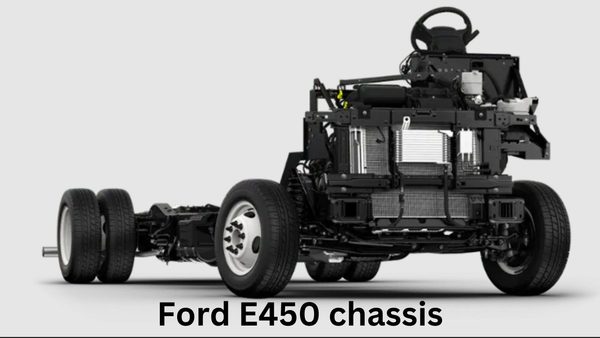
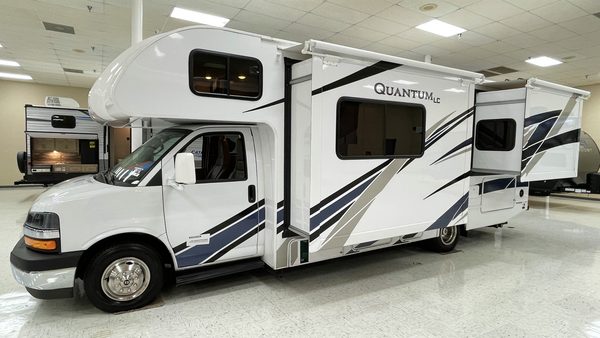
Many Class C motorhomes are built on Ford E-350 or E-450 cutaway chassis.

A Ford E450 chassis

And these vehicles may feel more familiar to drive than a large Class A motorhome, but ride and handling complaints are still common.

The rear suspension can feel harsh, especially when the motorhome travels over bridge joints, potholes, or uneven pavement.

And depending on the coach design and weight distribution, the driver may also experience wandering or instability.

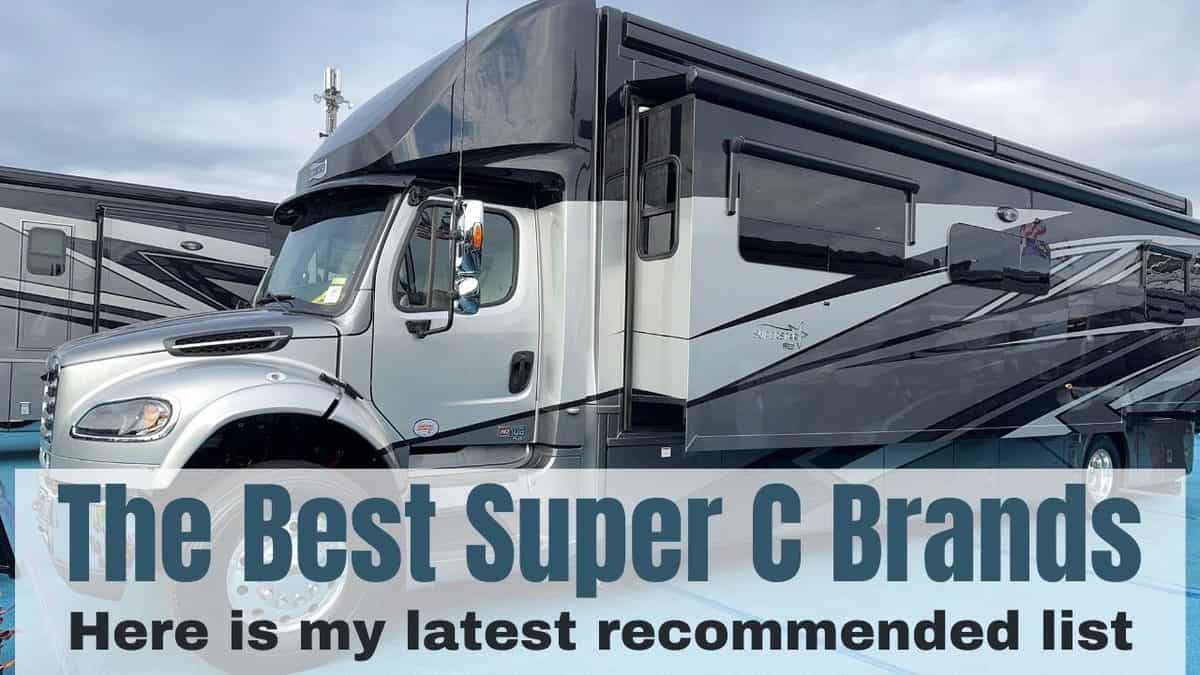
Super C Motorhomes

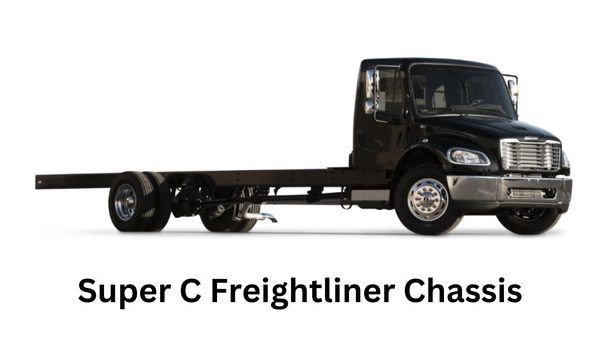
A Super C motorhome is built on a heavier commercial truck chassis.

And this provides substantial towing and weight capacity, but those capabilities can also come with a firmer ride.

In addition, some Super C models are also designed for rough-road or off-road use.

And as a result, the suspension may feel particularly stiff during ordinary highway travel.

Less Expensive Motorhome Suspension Upgrades

But a LiquidSpring motorhome suspension isn’t the only way to improve a motorhome’s ride and handling.

In fact, most RV owners begin with less expensive upgrades, and that is usually a sensible approach.

The right combination depends on the chassis and the specific problem you are trying to solve.

So it is important to diagnose the complaint before purchasing parts.

Upgraded Shock Absorbers

Better shock absorbers can improve the control of suspension movement.

They may help reduce bouncing, porpoising, and repeated movement after the motorhome crosses a dip or uneven section of pavement.

However, shocks do not carry the motorhome’s weight or completely change the suspension design.

So they may improve certain behaviors without solving every ride and handling complaint.

Heavier Sway Bars

Upgraded sway bars can also reduce body roll as the motorhome turns or encounters uneven road surfaces.

And they can also make the coach feel more stable when wind or passing trucks push against its large sidewalls.

But a stiffer sway bar can sometimes transfer more movement from one side of the suspension to the other.

So there can be a tradeoff between roll control and ride comfort.

Steering Stabilizers

A steering stabilizer may help the motorhome track more consistently and return the steering toward center.

And it can also provide additional control if a front tire fails.

However, a stabilizer should not be used to hide an alignment problem, worn steering components, incorrect tire pressure, or improper weight distribution. Those issues should be corrected first.

Rear Track Bars

A rear track bar helps control side-to-side movement between the chassis and rear axle.

And this can be useful when the driver feels as though the rear of the motorhome is moving sideways and requiring constant steering correction.

Track bars can make a noticeable improvement in the right situation.

But once again, they address a particular kind of movement rather than replacing the entire suspension.

SumoSprings and Other Helper Springs

Helper springs can provide additional support and may improve stability, reduce sag, and limit excessive body movement.

Also, they are relatively simple compared with a complete suspension replacement.

And for many motorhome owners, combining carefully chosen components can produce a worthwhile improvement at a much lower cost than a LiquidSpring motorhome suspension.

Less expensive motorhome suspension upgrades

However, these upgrades generally improve the factory suspension one piece at a time.

And LiquidSpring takes a more comprehensive approach by replacing it.

My LiquidSpring Test-Drive Experience

At the 2024 Hershey RV Show, I arranged to test-drive two motorhomes with Wayne Wells, who was LiquidSpring’s national product manager at that time.

Because I wanted to try the system in motorhomes known for having firm or challenging suspensions.

And the first one was a Nexus Super C with off-road capabilities.

The Nexus Super C that I tested

Of course, that kind of motorhome needs a strong suspension, but the result can be a stiff ride on normal paved roads.

The second was a Winnebago Adventurer gas-powered Class A motorhome.

The Winnebago Adventurer that I test drove

And this gave me a chance to experience LiquidSpring on the Ford F-53 chassis used by many Class A owners.

And after driving both motorhomes, I was impressed.

Because the difference was not a minor change that required imagination to notice.

Instead, the system provided a substantial improvement over the kind of factory ride and handling normally associated with these chassis.

Changing the Ride While Driving

One of the most impressive features was the ability to change the suspension setting at the touch of a button.

I could select a softer or firmer ride without stopping the motorhome.

So that means the driver doesn’t have to accept one permanent suspension compromise.

You can choose more comfort while cruising and then select greater firmness when driving conditions require additional control.

Of course, no suspension can eliminate every bump, gust of wind, or movement from a large vehicle.

But LiquidSpring made both motorhomes feel more composed and comfortable during my test drives.

My Independent Opinion

Now I am not affiliated with LiquidSpring in any way, and the company did not pay me for my review.

I just wanted to experience the system because I had heard so many positive reports about it.

And after the test drives, I understood why owners speak so highly of the technology.

So based on what I experienced, I can say that a LiquidSpring motorhome suspension delivers a meaningful improvement in both ride quality and handling.

LiquidSpring Comfort, Normal, and Sport Modes

But the system also offers three driver-selectable settings commonly identified as Comfort, Normal, and Sport.

And each one changes the balance between a soft ride and firmer handling.

Comfort Mode

Comfort mode provides the softest ride of the three settings.

So it’s useful when you are cruising on a relatively straight road and want the suspension to absorb more of the pavement’s harshness.

In fact, the sensation reminded me more of the softer ride people often associate with a diesel pusher.

However, the motorhome’s size, chassis, tires, loading, and road conditions will still affect the final result.

Normal Mode

Normal mode provides a middle ground between maximum comfort and maximum firmness.

And it may be the setting many drivers use for ordinary travel.

The system still responds automatically to steering, braking, and road conditions though.

So Normal mode doesn’t mean the suspension stops adjusting.

Sport Mode

Sport mode creates a firmer suspension response.

And it can be especially useful on winding roads, in windy conditions, or when frequent truck traffic is affecting the motorhome.

The firmer setting helps control body movement and makes the RV feel more stable.

And because the setting is available from the driver’s seat, you can select it as conditions change.

How Much Does LiquidSpring Cost?

Cost is the biggest obstacle for most motorhome owners.

And when I asked about aftermarket installation at the 2024 Hershey RV Show, I was told to expect a price of approximately $30,000.

However, that figure should be viewed as a general estimate from that time, not a guaranteed current price.

The actual cost can vary with the chassis, installation facility, labor rates, system configuration, and any additional work the motorhome requires.

So before making a decision, request a written estimate for your exact RV and chassis.

Aftermarket LiquidSpring installers

You should also ask what is included in the price, how long the installation will take, and what warranty coverage applies.

Factory Installation May Cost Less

Some RV manufacturers have offered a LiquidSpring motorhome suspension as a factory-installed option on selected motorhomes too.

And a factory installation may cost less than converting an RV after it has already been built.

Availability can change by manufacturer, model, and model year, though.

So if you are ordering a new motorhome, ask both the RV manufacturer and dealer whether LiquidSpring is available for that particular model.

Buying it as a factory option may also simplify financing because the cost can potentially be included in the RV purchase.

However, financing an expensive option means paying interest on it, so consider the total long-term cost.

Which Motorhomes Can Use LiquidSpring?

LiquidSpring systems have been developed for several motorhome chassis, but availability depends on the exact chassis configuration and model year.

And a system being available for one version of a chassis does not automatically mean it will fit every RV built on that platform.

Applications have included certain versions of the following chassis:

  • Ford F-53 Class A chassis
  • Ford E-350 and E-450 Class C chassis
  • Chevrolet and GMC 3500 and 4500 Class C chassis
  • Ford F-550 and F-600 Super C chassis
  • Ram 5500 chassis
  • Chevrolet Silverado 5500 chassis
  • International MV chassis

Because product offerings can change, confirm compatibility directly with LiquidSpring or an authorized installer.

Provide the RV’s year, make, model, chassis information, gross vehicle weight rating, wheelbase, and vehicle identification number when requesting confirmation.

And don’t schedule an installation based only on a general online chassis list.

The installer needs to verify that the system is approved for your specific motorhome.

Who Should Consider LiquidSpring?

LiquidSpring is not going to make financial sense for every motorhome owner.

But for the right person, it may solve one of the most frustrating parts of RV travel.

Owners Who Love Their Current Motorhome

Suppose you like your motorhome’s floor plan, storage, features, size, and overall condition.

And you want to keep it, but you dislike how it rides and handles.

Well, in that situation, spending money to improve the existing RV may be preferable to trading it.

Because a newer motorhome could cost far more, and there is no guarantee that its factory suspension would satisfy you.

Owners Planning to Keep Their RV for Years

And the longer you keep the motorhome, the more opportunities you have to benefit from the upgrade.

But a $30,000 suspension installed shortly before selling the RV may be difficult to justify.

However, if you expect to keep and travel in the coach for many years, you can spread the value of greater comfort over a longer period.

That doesn’t make the system inexpensive, but it may make the investment easier to justify.

Drivers Troubled by Sway or Harshness

Some owners are physically exhausted after driving a motorhome that requires constant steering correction.

And others find that a rough ride causes fatigue or makes travel uncomfortable for passengers.

So an improvement in ride and handling may provide more than simple luxury.

It could make the motorhome more enjoyable to use and encourage owners to continue traveling.

New-RV Buyers Considering a Gas Motorhome

LiquidSpring may also interest shoppers who prefer the price and practical advantages of a gas motorhome but want better ride quality.

It could allow them to buy the gas coach they prefer without moving all the way up to a diesel pusher.

However, compare the complete prices carefully.

Once an expensive suspension option and other upgrades are added, the difference between the gas coach and competing motorhomes may become smaller.

Who May Not Need LiquidSpring?

If you are generally satisfied with how your motorhome drives, there may be no reason to spend this kind of money.

An expensive upgrade should solve a real problem, not simply give you another feature.

And LiquidSpring may also be difficult to justify if you use the RV only a few times each year, plan to sell it soon, or are already close to the chassis’s weight limitations.

Also, if the handling complaint comes from incorrect tire pressure, poor alignment, overloading, worn components, or improper weight distribution, those problems need to be corrected first.

A motorhome should be weighed at all four corners when possible, and tire pressure should be set according to the tire manufacturer’s load-and-inflation information.

And the chassis, suspension, steering, tires, and alignment should also be inspected before assuming that a major suspension conversion is the answer.

LiquidSpring Versus a Diesel Pusher

Of course, diesel pushers are known for smooth ride quality because many use air suspension, longer wheelbases, heavier chassis, and rear-mounted engines.

But they also tend to cost more to purchase and can be more expensive to maintain.

So a gas motorhome with LiquidSpring may provide a useful middle path.

Because you can retain the gas-powered chassis while gaining a much more sophisticated suspension.

However, it will not turn a gas Class A motorhome into a diesel pusher in every respect.

Engine location, noise, braking systems, weight capacity, drivetrain design, chassis construction, and overall handling characteristics will still be different.

So the goal should not be to create a diesel motorhome disguised as a gas coach.

The goal is to make a compatible gas motorhome more comfortable and controlled.

What to Consider Before Installation

Before spending tens of thousands of dollars on any suspension system, take enough time to verify that it is the right solution.

First, have the motorhome inspected for worn steering and suspension components.

Also confirm its alignment, actual loaded weight, tire condition, tire pressure, and weight distribution.

Next, compare LiquidSpring with less expensive upgrades that address your specific complaint.

If a rear track bar or steering stabilizer would solve the primary problem, a complete suspension replacement might be unnecessary.

Then ask an authorized installer these questions:

  • Is my exact motorhome and chassis compatible?
  • What is the complete installed price?
  • Are wheel alignment and calibration included?
  • How long will the installation take?
  • What maintenance does the system require?
  • What warranty applies to parts and labor?
  • Where can the system be serviced while traveling?
  • Will the conversion affect chassis or RV warranties?
  • Does it change cargo-carrying capacity or vehicle weight?
  • Are replacement parts readily available?
  • Can I test-drive a similar motorhome before buying?

Finally, take that test drive if at all possible. Suspension comfort is subjective, and you need to experience the difference before deciding whether it is worth the price to you.

Frequently Asked Questions About LiquidSpring Suspension

Does LiquidSpring replace the factory suspension?

Yes, LiquidSpring is a major suspension conversion rather than a simple add-on such as a steering stabilizer or upgraded shock absorber.

The exact components replaced will depend on the chassis and system application.

Can LiquidSpring improve a rough motorhome ride?

Yes, improving ride quality is one of its main benefits. During my test drives, both the Super C and gas Class A motorhome rode noticeably better than I would normally expect from their original chassis designs.

However, results can vary with the RV, road conditions, weight, tires, and driver expectations.

Does LiquidSpring help with sway?

The system is designed to improve suspension control and can reduce excessive body movement.

Its firmer Sport setting can be helpful in crosswinds, on curving roads, and around passing trucks.

But no suspension can make a tall motorhome completely unaffected by wind.

Drivers still need to slow down or stop when conditions become unsafe.

Can the suspension setting be changed while driving?

Yes. The driver can choose among Comfort, Normal, and Sport settings using the control module near the driver’s seat.

Meanwhile, the system’s computer continues making automatic adjustments within the selected mode.

How much does LiquidSpring cost for a motorhome?

At the 2024 Hershey RV Show, I was told that an aftermarket installation could cost around $30,000.

But prices can change and vary by chassis, system, installer, and labor requirements.

Contact an authorized installer for a current written quote for your specific RV.

Is LiquidSpring available as a factory option?

It has been offered as a factory option by some motorhome manufacturers on selected models.

However, availability can change from one model year to the next.

So ask the manufacturer or dealer to confirm whether it is available on the exact motorhome you are considering.

Does LiquidSpring require maintenance?

Any advanced mechanical, hydraulic, or electronically controlled system should be inspected and maintained according to its manufacturer’s requirements.

So ask about scheduled maintenance, fluid service, diagnostic procedures, and replacement-part availability before purchasing.

And keep the system’s service documentation with the motorhome for future owners and repair facilities.

Will LiquidSpring increase my motorhome’s resale value?

It may make the motorhome more appealing to buyers who understand and want the system.

However, you should not assume that you will recover the entire installation cost when the RV is sold.

The best financial justification is usually the comfort and handling benefit you receive while you own and use the motorhome.

Should I install LiquidSpring or begin with cheaper upgrades?

In most cases, it makes sense to identify the specific handling complaint and correct any underlying problems first.

Shocks, sway bars, track bars, steering stabilizers, or helper springs may provide enough improvement for much less money.

To learn more about those less expensive option, click on the image below.

My motorhome suspension upgrades video

However, if you want a more complete transformation and intend to keep the motorhome, LiquidSpring deserves consideration.

Where can I test-drive a motorhome with LiquidSpring?

RV shows, participating dealerships, manufacturers, and LiquidSpring installers may offer demonstration vehicles or test-drive opportunities.

So contact them in advance because a suitable motorhome may not always be available.

A test drive is one of the most important steps because ride quality is something you need to experience personally.

Conclusion

LiquidSpring is one of the most impressive motorhome suspension upgrades I have experienced.

And during my test drives, it provided a noticeably smoother ride while giving me the ability to select firmer handling when road conditions called for it.

But the cost is substantial, so it is clearly not for everyone.

In fact, many motorhome owners can improve their driving experience with less expensive shocks, sway bars, steering stabilizers, track bars, or helper springs.

However, if you love your motorhome, dislike its factory ride, and plan to keep it for years, LiquidSpring could make that RV much more enjoyable to drive.

And it may also appeal to new-RV buyers who want the advantages of a gas motorhome without accepting the typical gas-chassis ride.

But before making the investment, correct any existing chassis problems, obtain a detailed installation quote, confirm compatibility, and ask about service and warranty coverage.

Most importantly, arrange a test drive. I can tell you that I was impressed, but only you can decide whether the improvement is worth the cost for your RV, travel plans, and budget.

That’s it for now. Have safe and happy travels, my friends.

Newmar RV Review: Is It Worth the Money?

If you’re shopping for a Class A motorhome, chances are Newmar has come up in your research. But is Newmar really worth the money you’ll spend on one?

I’m Duane, a certified RV inspector, and this Newmar RV review is based on years of personally inspecting Newmar coaches on dealer lots and at RV shows.

So in this article, I’m going to walk you through Newmar’s history, address the elephant in the room (their sale to Winnebago), and give you my honest opinion on their build quality today.

If you want to watch my video on this subject just click on the image below.

A Newmar RV review

Table of Contents

A Quick Note on What Newmar Builds

Before we dive in, here’s something important to know. Newmar only builds motorhomes.

If you’re in the market for a towable, like a fifth wheel or a travel trailer, you won’t find it at Newmar.

Their lineup is focused entirely on Class A and Super C motorhomes.

The History of Newmar Motorhomes

To really understand whether Newmar is worth the money, you have to understand where they came from.

How It All Started

Mahlon Miller and Marvin Newmar founded Newmar more than 55 years ago, back in 1968.

And believe it or not, they didn’t start out building motorhomes at all.

For quite a while, Newmar’s only products were fifth wheels. It wasn’t until the 1980s that they began building Class A motorhomes.

Then, in 1990, Newmar rolled out two of their most iconic models, the Dutch Star and the Mountain Aire. Both are still in production today, and RVers still love them.

Newmar’s History of Innovation

Along the way, Newmar didn’t just build motorhomes. They pushed the industry forward.

For example, Newmar pioneered the first powered flush floor slide-out in a motorhome. Within a few years, other manufacturers were copying the design.

Newmar was also the first RV builder to put full body paint on every RV in their lineup. Today, that’s practically standard across the industry.

So there’s a clear pattern here. Newmar has a decades-long track record of forward-thinking innovation and attention to quality.

Did Winnebago’s Purchase Hurt Newmar’s Quality?

Winnebago, another well-known RV manufacturer, bought Newmar in 2019. Before that, Newmar was essentially a family-owned company.

Now, if you spend any time online, you’ll run into some naysayers claiming Newmar’s quality has gone downhill since Winnebago took over.

I want to be very clear about this: there is no evidence whatsoever that Winnebago has had a negative influence on Newmar since the acquisition.

The Real Culprit: The COVID Pandemic

Here’s something worth thinking about. Winnebago bought Newmar in 2019, and the very next year, the COVID pandemic hit the entire RV industry.

The Covid pandemic

Every RV manufacturer was affected, and Newmar struggled right along with everybody else.

Crews were short-handed, and in many cases, the pandemic cut the industry’s workforce in half almost overnight.

For the next two years, manufacturers were scrambling to patch things together, all while demand for RVs was completely off the charts.

On top of that, supply chain issues made it incredibly difficult to get the parts needed to build coaches.

Supply chain problems affected lots of RV manufacturers

So it was a genuine struggle across the board, not just for Newmar. If you hear someone blame Winnebago’s ownership for a drop in Newmar’s quality, the real explanation is almost always the pandemic and its aftermath.

My Honest Newmar RV Review: Are They Still Building High-Quality Coaches?

This is the question I personally wanted answered. I’ve been a fan of Newmar for several years, so I went out and inspected several of their coaches over the last six months, both on dealer lots and at RV shows.

Here’s the good news: in my opinion, Newmar is still the best Class A RV builder, until you climb into the ultra-high-end market.

Where Newmar Ranks Compared to Ultra-Luxury Builders

Brands like Foretravel, Newell, and Prevost operate in a class of their own, both in build and in price. Newmar isn’t competing in that tier.

But for the money you spend with Newmar, I believe you’re getting a genuinely quality product.

The Detail Work That Sets Newmar Apart

What continually impresses me about Newmar is their attention to detail, both inside and outside the coach. Let me give you one specific example.

Take a look at how Newmar seals the joints and seams on the exterior of the coach. I’m constantly amazed by the precision.

Newmar's seams and joints are sealed exceptionally well

The sealant is applied cleanly, with no spillage onto the painted surface and no mess anywhere around it. It’s applied exactly the way it should be.

Plenty of other builders get the job done, but many don’t do it as cleanly or as consistently as Newmar does.

What You’ll Find Inside a Newmar Coach

Step inside a Newmar motorhome, and you’ll see the same level of care.

Cabinets, doors, floors, and every other component are fitted and finished to an outstanding standard.

The components and furniture used in Newmar motorhomes are very high quality

Honestly, I often have a hard time finding any problems in new Newmar coaches.

That’s not to say I never find anything. I’ve come across a defect or two here and there.

But in many of the coaches I’ve inspected, I couldn’t find a single issue.

That level of consistency is exactly why Newmar remains high on my recommended list, and it tells me they’re recovering from the pandemic in a very good way.

Does That Mean Newmar Builds a Perfect RV?

No, absolutely not. There is no perfect RV manufacturer, and that includes Newmar.

RVs are still built largely by hand, and that means variation is always possible.

So whether you’re buying a Newmar or any other brand, new or used, here’s my recommendation.

Always Get a Pre-Purchase RV Inspection

Have a certified NRVIA inspector go through the RV before you buy it.

A thorough inspection will catch the small issues that need attention so you can get them fixed before you take delivery.

If you follow that step, you’re going to have a much better buying experience, and you’ll start your ownership on solid footing.

That’s true even with a brand as well-built as Newmar.

Is Newmar the Only Class A Manufacturer Worth Considering?

Not at all. There are other very good Class A manufacturers on the market worth your consideration.

If you want to see my complete list of recommended brands and models, you can download my guide book to find out which manufacturers I recommend for overall build quality.

Get my Newmar RV review along with other motorhomes too

Final Verdict: My Newmar RV Review Wrap-Up

So, is Newmar worth the money? Based on months of hands-on inspections, my answer is yes.

I’m confident that buying a Newmar, combined with a professional RV inspection, is a winning formula.

Newmar has a 55-plus year history of innovation, a genuine commitment to detail, and it’s recovering well from the pandemic years that challenged the entire industry.

Just remember to have any coach inspected before you buy, new or used, Newmar or otherwise. That one step puts the odds firmly in your favor.

That wraps up my Newmar RV review for now. Until next time, safe and happy travels, my friends.


Frequently Asked Questions

Does Newmar build travel trailers or fifth wheels?

No. Newmar only builds motorhomes, specifically Class A and Super C models. If you’re looking for a towable RV, you’ll need to look at a different manufacturer.

Who owns Newmar now?

Winnebago acquired Newmar in 2019. Before that, Newmar operated as a family-owned company for decades.

Has Newmar’s quality declined since Winnebago bought the company?

There’s no clear evidence that Winnebago’s ownership has hurt Newmar’s build quality. Many of the quality struggles reported since 2019 line up with the COVID-19 pandemic, which caused industry-wide staffing shortages and supply chain issues for nearly every RV manufacturer, not just Newmar.

Two of Newmar’s most iconic and longest-running models are the Dutch Star and the Mountain Aire, both introduced in 1990 and still in production today.

What’s the verdict of this Newmar RV review — is Newmar the best Class A motorhome brand?

Based on personal inspections, Newmar ranks as one of the best Class A builders for the money, outside of the ultra-high-end market occupied by brands like Foretravel, Newell, and Prevost.

Should I get an inspection before buying a Newmar?

Yes. Even with a well-built brand like Newmar, it’s smart to have a certified NRVIA inspector examine the coach before purchase, whether it’s new or used. This helps catch small issues early so they can be resolved before you take delivery.

What makes Newmar’s build quality stand out?

Newmar is known for meticulous attention to detail, including clean, precise sealant work on exterior joints and seams, along with high-quality cabinetry, doors, and flooring inside the coach.

Health Insurance for Full-Time RVers: 7 Plans Compared

Full-time RVing offers freedom, adventure, and a lifestyle that traditional employment often can’t match. But that freedom comes with a unique challenge: finding health insurance for full-time RVers that actually works when you don’t have a permanent address.

Many full-time RVers are self-employed, so they don’t have an employer offering benefits. Some travel with families.

And nearly all of them cross state lines regularly, which means a healthcare issue can pop up almost anywhere at any time.

Put all of that together, and you can see why health insurance for full-time RVers isn’t simple.

It’s a common challenge, and yet there’s good news: there are several solid options to choose from, and one of them is likely to fit your situation.

I’m a certified RV inspector, and I’ve also been a full-time RVer for several years. I want to be upfront about something important, though: I’m not a health insurance expert.

What I can offer is firsthand experience, since my family and I have had to navigate these exact decisions ourselves.

Video about health insurance for full-time RVers

In this guide, we’ll walk through seven types of health insurance plans available to full-time RVers, along with the pros and cons of each.

By the end, you should have a much clearer picture of which option makes the most sense for your life on the road.

Table of Contents

1. Affordable Care Act (ACA) Plans: A Common Starting Point for Health Insurance for Full-Time RVers

When we first started full-time RVing, an Affordable Care Act plan is what we chose. You probably know this type of plan by its more common name: Obamacare.

You can shop for ACA plans at healthcare.gov, and for many new full-time RVers, this is a great starting point.

Pros of ACA Plans

There’s a lot to like about ACA plans for full-timers.

Comprehensive coverage. These plans offer major medical coverage, so you’re protected for pretty much everything that could come up.

Income-based subsidies. If your income is on the lower side, which is common when people first transition to full-time RVing, the government will subsidize your monthly premium. That’s a big help for many new RVers.

Pre-existing conditions are covered. This is a major benefit, and it’s one that not every plan on this list can offer.

Cons of ACA Plans

However, ACA plans do come with some real limitations for a mobile lifestyle.

Limited to your domicile state. Whatever state you choose as your home base when you begin full-time RVing, you’re restricted to the plan choices offered in that state.

Coverage may not travel with you. Many ACA plans don’t provide healthcare coverage outside your domicile state, so you could end up needing care while you’re across the country and having to travel all the way back home to use your insurance.

In our case, we had a stroke of good fortune. Our domicile state offered a plan usable nationwide, and we used it on several occasions.

But that may not be true where you live, so check the details carefully before you commit.

2. Private Health Insurance Plans

If your income is higher, ACA subsidies won’t help you much, and you might actually pay more for an ACA plan than you would elsewhere. That’s where private health insurance plans come in.

Pros of Private Insurance

The biggest advantage is cost. Private plans are typically less expensive than ACA plans once you’re above the subsidy threshold.

Cons of Private Insurance

The tradeoff is significant, though: private insurance plans usually don’t cover pre-existing conditions. So if you or a family member has an ongoing health issue, this option may not work well for you.

3. Reimbursement Plans

Reimbursement plans aren’t a full health insurance plan in the way most people think of one.

They’re not comprehensive, and they’re definitely not major medical coverage.

Instead, these plans list specific health issues they’ll cover and set a cap on the expenses they’ll pay out for each one.

They often pay in cash when a covered issue arises, but there’s always a ceiling on the payout.

Because of that ceiling, reimbursement plans work best as a supplement rather than a standalone solution.

For example, if you have an ACA plan with a high deductible, a reimbursement plan can help fill the gap while you work toward meeting that deductible.

4. Short-Term Health Insurance Plans

Short-term health insurance is often used by people who’ve left a job and haven’t started another one yet. It provides temporary coverage during that gap.

Pros of Short-Term Plans

These plans come with low premiums, and you can typically enroll at almost any time, which offers a lot of flexibility.

Cons of Short-Term Plans

However, short-term plans usually aren’t fully comprehensive, and they often come with exclusions. On top of that, pre-existing conditions typically aren’t covered.

5. Health Sharing Plans

Health sharing plans are a unique option, and they’ve become popular among full-time RVers.

These plans are usually faith-based, so they’re often connected to a church or a specific religious organization.

Here’s how they typically work: you pay for your healthcare expenses upfront, and the group reimburses you afterward.

Pros of Health Sharing Plans

Low cost. This is the main reason so many full-time RVers have gravitated toward health sharing plans.

Usable almost anywhere. Since these plans aren’t tied to state-based networks the way ACA plans are, they travel well with a mobile lifestyle.

Cons of Health Sharing Plans

But there are some important caveats to know about. These plans typically come with belief-based requirements tied to the organization running them, so if your beliefs don’t align with theirs, the plan may not be a fit.

There have also been reports of some health sharing companies failing to reimburse members as promised.

So before you sign up, research each plan thoroughly and read reviews carefully.

6. Telemedicine

Telemedicine gives you access to a doctor 24 hours a day, seven days a week, over the phone or online, no matter where you’re parked.

Pros of Telemedicine

The biggest advantage is convenience. You can consult a doctor without leaving your RV, and for smaller issues like infections, telemedicine can often get you a prescription quickly.

Cons of Telemedicine

That said, telemedicine isn’t major medical coverage. It’s not a good fit for trauma, surgery, or any serious health issue, so it works best as a supplement to one of the other plans on this list rather than your primary coverage.

7. Medicare and Medicare Supplements

The last option, and the one my wife and I currently use, is Medicare paired with a Medicare supplement plan.

You can use Medicare on its own, but it comes with deductibles that can add up to significant out-of-pocket costs.

That’s where a supplement plan comes in, filling the gaps that Medicare alone leaves behind.

Since we’re over 65, Medicare with a supplement has worked extremely well for our situation.

Pros of Medicare Supplements

Nationwide access. You can visit any doctor or hospital in the U.S. that accepts Medicare, and the vast majority do.

Affordability. Considering the level of coverage you get, a good Medicare supplement plan is genuinely a great value.

Low out-of-pocket costs. These plans do an excellent job of keeping your potential expenses manageable, so your healthcare risk stays low.

Cons of Medicare Supplements

Honestly, we haven’t run into any real downsides. We’ve been very happy with our Medicare supplement plan so far.

A Resource Worth Checking Out

One popular RVing organization has partnered with a company called RV Insurance Exchange, which is made up entirely of full-time RVers.

They help members choose among several of the plan types covered in this article, and they even offer group plans designed for self-employed, entrepreneurial full-time RVers.

If you’re still narrowing down your options, it may be worth a look.

Conclusion

Choosing health insurance as a full-time RVer takes more thought than a typical employer-sponsored plan, but it’s far from impossible.

Whether you go with an ACA plan, a health sharing plan, Medicare, or a combination of options working together as a supplement, the right choice comes down to your income, your health needs, and how much of the country you plan to cover.

Take the time to research your options, read the fine print, and choose the coverage that fits your specific situation.

Safe and happy travels, my friends.

Frequently Asked Questions

What is the best health insurance for full-time RVers, and how do I choose?

There’s no single “best” plan, since the right choice depends on your income, health needs, and how far you travel. ACA plans work well for lower-income RVers who need pre-existing condition coverage, while health sharing plans and Medicare supplements are popular among those who qualify.

Can I use my health insurance in every state as a full-time RVer?

It depends on the plan. Many ACA plans only offer coverage within your domicile state, while health sharing plans and Medicare supplements typically offer nationwide access. Always confirm coverage details before enrolling.

Do health sharing plans actually work for full-time RVers?

Many full-time RVers use health sharing plans successfully because of their low cost and nationwide usability. However, these plans come with belief-based membership requirements, and some companies have had reimbursement issues, so thorough research is essential.

What happens if I get sick outside my domicile state on an ACA plan?

This depends entirely on your specific plan. Some ACA plans, like the one used in this guide, offer coverage nationwide, while others may require you to return to your domicile state for non-emergency care. Check your plan’s out-of-network and out-of-state policies before you rely on it.

Is Medicare a good option for full-time RVers?

Yes, for RVers over 65, Medicare paired with a supplement plan is often an excellent option. It provides access to doctors and hospitals nationwide, keeps out-of-pocket costs low, and offers strong overall value.

What’s the difference between a reimbursement plan and full health insurance?

A reimbursement plan isn’t comprehensive major medical coverage. It only covers specific listed health issues up to a set dollar cap, which makes it useful as a supplement to a broader insurance plan rather than a standalone solution.