5 Of The Best RV Features That Should Be Standard Equipment

When you’re talking about the best RV features, todayโ€™s RVs offer more conveniences, amenities, and luxuries than ever before.

Compare a new RV with one built several decades ago, and the difference can be remarkable. Modern RVs can include large refrigerators, multiple televisions, fireplaces, automatic leveling systems, solar panels, residential furniture, and sophisticated control systems.

However, many RV manufacturers still leave out some of the most useful features that owners regularly add after buying their RVs.

These are not necessarily flashy features that will impress buyers at an RV show. Instead, many of them protect the RV, make travel more comfortable, or help owners avoid expensive problems.

In fact, certain aftermarket upgrades have become so popular among RV owners that manufacturers should recognize the demand for them. At the very least, these upgrades should be available as factory-installed options.

So here are five of the best RV features that I would like to see offered on more new RVs.

The best RV features that are often missing in RVs today

Why Factory-Installed RV Features Can Be Better

RV owners can install many useful upgrades after buying their RV. However, factory installation usually offers several advantages.

The manufacturer can plan for the equipment while designing the RV instead of requiring the owner to find space for it later. Wiring, plumbing, mounting locations, ventilation, weight distribution, and access for maintenance can all be considered in advance.

Factory installation may also produce a cleaner and more professional-looking result.

And depending on the equipment and manufacturer, a factory installation can reduce concerns about whether an aftermarket modification will affect another componentโ€™s warranty.

Most importantly, the RV could be protected from its first day of use. The owner would not have to wait until after taking delivery to purchase equipment that probably should have been there all along.

RV Feature #1: A Whole-House Water Filtration System

RV owners obtain water from many different sources as they travel.

One campground may have excellent water, while the next may have water with an unpleasant taste, odor, heavy mineral content, or visible sediment. And when you arrive at a new location, you may know very little about the campgroundโ€™s water system.

That is why a whole-house RV water filtration system should be one of the most common new RV features.

Why RV Water Quality Varies So Much

Municipal water systems generally treat and test their water. However, campgrounds may get their water from municipal systems, private wells, or other sources.

The condition of campground pipes, water hookups, hoses, and storage equipment can vary too.

Even when the water is considered safe, it may contain sediment, chlorine, minerals, or other substances that affect its smell and taste. Very hard water can also leave deposits on faucets, showerheads, water heaters, and other plumbing components.

Campground water quality can vary considerably

So filtering the water before it enters the RV helps improve its quality while also protecting parts of the plumbing system.

What a Factory Water Filtration System Could Include

A basic factory-installed whole-house system could include a sediment filter followed by a carbon filter.

The sediment stage can capture sand, rust, and other particles. Then the carbon stage can reduce unpleasant tastes, odors, and chlorine.

Manufacturers could also offer higher-level options for buyers who travel extensively or want additional filtration. These could include:

  • Multiple filter stages
  • Finer sediment filtration
  • A water-softening system
  • Ultraviolet water treatment
  • Reverse-osmosis filtration for drinking water
  • A dedicated filtered drinking-water faucet

Not every RVer needs the same system, so offering several factory options would make sense.

A weekend camper may be satisfied with a simple two-stage system. However, a full-time RVer who regularly encounters different water sources may want something more advanced.

My article on choosing an RV water filtration system explains the various options and how filtration needs can change based on the way you travel.

Why Owners Should Not Have to Add It Later

A large number of RVers already spend money on external filter canisters, water softeners, drinking-water filters, and related equipment.

But external equipment must be transported, stored, connected, disconnected, drained, and protected from freezing. It can also clutter the campground water connection.

A built-in system with easily accessible filter housings would be simpler and more convenient. Manufacturers could place it in a protected utility compartment with shutoff or bypass valves for filter changes and winterization.

The demand is clearly there. So it makes sense to design RVs with water filtration in mind instead of leaving every owner to create an aftermarket solution.

RV Feature #2: A Tire Pressure Monitoring System

A tire pressure monitoring system, commonly called a TPMS, is one of the most important features an RV can have.

One of the best RV features would be a tire pressure monitoring system

The tires are the only parts of the RV that actually meet the road. If one develops a serious problem at highway speed, the results can include RV damage, loss of control, or a dangerous roadside emergency.

Some manufacturers include a tire pressure monitoring system, but many still do not.

In my opinion, a TPMS should be standard equipment on every new RV.

What an RV Tire Pressure Monitoring System Does

A TPMS uses sensors to monitor the tires while the RV is traveling.

Depending on the system, it may track tire pressure, temperature, or both. It can then warn the driver when a tire begins losing pressure or when its temperature rises beyond a preset limit.

That early warning is extremely valuable.

A tire does not always go from normal to completely flat in an instant. A valve stem, puncture, or other problem may cause a gradual pressure loss.

As pressure falls, the tire can flex more than it should and generate excessive heat. If the driver receives an alert early enough, there may be time to pull over before the tire fails.

A TPMS Can Prevent Extensive RV Damage

A tire failure can cause much more than damage to the tire itself.

Pieces of a failed tire can strike the RVโ€™s underbelly, plumbing, wiring, body panels, wheel wells, flooring, or holding tanks. Repairs can cost thousands of dollars.

On a towable RV or a vehicle being towed behind a motorhome, the driver may not immediately feel that a tire is losing pressure. The problem can continue unnoticed until another motorist signals the driver or extensive damage has already occurred.

I have personally experienced a situation in which a tire pressure monitoring system alerted me to excessive heat before it became a major problem. That is why I consider a TPMS essential equipment rather than just another accessory.

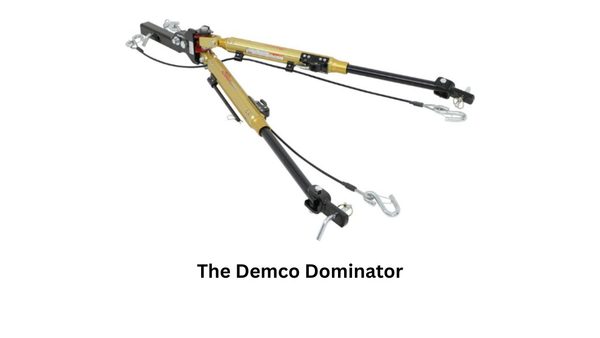
My article about the lessons I learned when my RV tow bar broke explains why monitoring the tires on everything you are towing is so important.

Why TPMS Sensors Should Be Integrated at the Factory

Many RVers purchase aftermarket systems with sensors that screw onto the tire valve stems. These systems can work very well.

However, manufacturers could build compatible sensors into the wheels and integrate the display with the RV or tow vehicle. They could also program appropriate pressure and temperature warning limits before delivery.

For towable RVs, manufacturers should clearly explain how the system communicates with the driver. If a separate monitor is required in the truck, it should be included with the RV.

There are very few aftermarket products that can provide as much warning and protection for a relatively modest cost. So this is one of the strongest candidates for standard equipment.

RV Feature #3: Anti-Lock Brakes on Towable RVs

Passenger vehicles have used anti-lock braking systems for decades. Many motorhomes also have ABS as part of their chassis equipment.

ABS brakes are one of the best RV features

However, anti-lock brakes are still not commonly included on towable RVs.

That should change.

What Happens When Trailer Wheels Lock?

During hard braking, especially on wet, icy, gravel-covered, or otherwise slippery roads, a trailerโ€™s wheels can lock and begin sliding.

Once the tires are sliding instead of rotating, the trailer may lose directional stability. It may begin moving sideways or exert unwanted forces on the tow vehicle.

And even though the tow vehicle may have anti-lock brakes, a sliding trailer can still influence the entire combination.

An anti-lock braking system rapidly controls braking pressure to help prevent the wheels from remaining locked. This allows the tires to continue rotating and can help the driver maintain more control during emergency braking.

Why Trailer ABS Makes Sense

A large fifth wheel or travel trailer can weigh many thousands of pounds.

We already expect a heavy trailer to have its own braking system. So it makes sense to apply proven anti-lock braking technology to those brakes as well.

Towable RV manufacturers could work with axle, brake, and controller manufacturers to offer complete systems designed to operate together.

Ideally, the trailerโ€™s ABS would communicate clearly with the tow vehicle and alert the driver if a fault develops. The system should also be easy for RV technicians to diagnose and service.

Some manufacturers and suppliers are beginning to recognize the value of this technology. However, it remains far less common than it should be.

At first, trailer anti-lock brakes may be offered primarily as an upgrade. But as the technology becomes more widely available and affordable, I would like to see it become standard equipment on towable RVs.

RV Feature #4: A Built-In Electrical Management System

RVers connect to electrical sources at campgrounds and RV parks all over the country.

Most of the time, those connections work as expected. But you cannot assume that every pedestal is wired correctly or that campground voltage will remain stable.

That is why a built-in RV electrical management system should be another standard factory feature.

A Surge Protector and an EMS Are Not Always the Same

Many RV owners refer to all power-protection devices as surge protectors.

However, a basic surge protector may be designed mainly to absorb brief high-voltage spikes. Those spikes can be caused by lightning, utility problems, or electrical equipment switching on and off.

An electrical management system, or EMS, usually provides more complete protection.

Depending on the model, an EMS may monitor for:

  • High voltage
  • Low voltage
  • Open ground
  • Open neutral
  • Reverse polarity
  • Incorrect pedestal wiring
  • Power surges
  • Other potentially damaging electrical conditions

If the incoming power is unsafe, the EMS can prevent it from reaching the RV or disconnect the RV until conditions return to an acceptable range.

Low Voltage Can Be a Serious RV Problem

Large surges receive a lot of attention, but low voltage can also damage RV equipment.

Voltage may fall when many RVs in a campground are running air conditioners and other high-demand appliances. Aging campground wiring or overloaded electrical systems can contribute to the problem too.

Low voltage can cause motors and compressors to draw more current and build excessive heat. Air conditioners, refrigerators, converters, and other equipment may be affected.

And todayโ€™s RVs contain more sensitive electronic components than ever before. Control boards, televisions, computers, chargers, and smart appliances can all be vulnerable to poor-quality power.

You can learn how these parts relate to one another on my RV systems and equipment resource page.

Why Hardwired Factory Protection Is Better

Many RV owners use portable EMS units that plug into the campground pedestal.

Portable RV surge protectors

Portable units can provide excellent protection, but they also have disadvantages. They can be exposed to rain, dirt, damage, and theft.

They must also be connected every time the RV is set up and removed before leaving.

A hardwired electrical management system can be installed safely inside the RV. It can begin protecting the electrical system as soon as shore power is connected without requiring the owner to remember another setup step.

Hard-wired RV surge protectors

Manufacturers could also integrate the EMS display into the RVโ€™s control panel. That would let owners see incoming voltage, amperage, error codes, and other useful information from inside the RV.

At the very least, manufacturers should provide a factory-installed EMS option for buyers who want complete electrical protection from the first day of ownership.

RV Feature #5: A Better Alternative to Roof-Mounted Air Conditioners

Traditional roof-mounted air conditioners have been used in RVs for many years.

They can cool an RV, but many are noisy, inefficient, and disruptive. The blower and compressor are directly above the living area, so owners may have to raise the television volume or speak louder whenever the air conditioner is running.

And because the units sit on the roof, they add height and weight at one of the least desirable places on an RV.

I would like to see manufacturers explore better options, including RV mini-split air-conditioning systems.

Why Mini-Split Air Conditioners Appeal to RV Owners

A mini-split separates the indoor air-handling unit from the outdoor compressor.

Mini-split air conditioner

This design can provide several advantages:

  • Quieter operation inside the RV
  • Better energy efficiency
  • More precise temperature control
  • Variable-speed operation
  • Less noticeable cycling
  • Potential heating capability with a heat-pump model

Rather than repeatedly turning on at full power and then shutting off, many mini-split systems adjust their output to meet the cooling demand.

That can help maintain a more consistent interior temperature while using less electricity.

Why Aftermarket Mini-Split Installation Is Difficult

Although some RV owners have successfully installed mini-splits, adding one to an existing RV can be challenging.

The owner must find a suitable location for the indoor unit and a secure place for the outdoor compressor. Refrigerant lines, electrical wiring, and condensate drainage must also be routed through the RV.

Then there are questions about airflow, road vibration, weather exposure, service access, and weight distribution.

A poorly planned installation can create structural, moisture, or reliability problems.

However, many of these challenges would be easier to solve if the RV were designed for a mini-split from the beginning.

How Manufacturers Could Design a Better System

An RV manufacturer could create protected mounting locations for the indoor and outdoor components.

Refrigerant lines, drainage, and wiring could be installed during construction instead of being added through finished walls and cabinets later. The equipment could also be selected and tested specifically for road vibration and changing outdoor conditions.

A factory-designed system might not look exactly like a residential mini-split. It could be an RV-specific variation that uses the same basic principles of quieter, variable-speed, high-efficiency operation.

Traditional rooftop units may remain the lower-cost choice for many RVs. However, an efficient and quiet air-conditioning upgrade would probably appeal to a large number of buyers, especially full-time RVers and those who regularly camp in hot climates.

Should These RV Features Be Standard or Optional?

Some of these features make a strong case for becoming standard equipment.

A tire pressure monitoring system and an electrical management system provide valuable protection and can help prevent dangerous or expensive problems. Whole-house water filtration could also become standard on many midrange and higher-priced RVs.

Trailer anti-lock brakes may take longer to become widely available because they involve the RVโ€™s braking system and its interaction with the tow vehicle.

Meanwhile, mini-split air conditioning may initially make more sense as a premium option because of its cost and installation requirements.

But even when a feature is not included as standard equipment, buyers should at least have the opportunity to select it when ordering a new RV.

Unfortunately, manufacturers often devote more attention to decorative features that help sell RVs on the showroom floor. Attractive countertops, large televisions, fireplaces, and elaborate lighting can certainly make an RV more appealing.

However, equipment that protects the RV and improves its daily operation may provide far more value after the excitement of the purchase wears off.

What New RV Buyers Can Do Now

Until RV manufacturers begin including more of these features, buyers should consider them when planning their overall RV budget.

Do not spend every available dollar on the purchase itself. Leave room for important equipment and upgrades that may not be included from the factory.

Before buying, review the RVโ€™s standard equipment and option list carefully. Ask whether it includes a TPMS, an electrical management system, water filtration, upgraded braking technology, or more efficient climate-control equipment.

And make sure the salesperson shows you where these features are listed in the manufacturerโ€™s documentation.

A verbal claim that an RV is โ€œprewiredโ€ or โ€œreadyโ€ for an upgrade does not necessarily mean the equipment is actually installed. It may only mean that part of the necessary wiring or preparation is present.

So find out exactly what is included, what remains to be purchased, and how much the complete installation will cost.

Frequently Asked Questions About New RV Features

What features should come standard on a new RV?

At a minimum, I would like to see new RVs include a tire pressure monitoring system and a built-in electrical management system. Whole-house water filtration should also become much more common.

Do new RVs come with water filtration systems?

Some do, but many provide only a basic filter or no meaningful whole-house filtration at all. Buyers should verify what type of filter is included, what it removes, and how replacement cartridges are accessed.

Does every RV need a tire pressure monitoring system?

In my opinion, yes. A TPMS can warn the driver about pressure loss or excessive heat before a tire fails. It is especially important for towable RVs and vehicles being towed behind motorhomes because tire problems may otherwise be difficult to detect.

Do travel trailers and fifth wheels have anti-lock brakes?

Most towable RVs have electric brakes, but anti-lock braking systems are not yet standard throughout the industry. Availability varies by manufacturer, axle system, and model.

What is the difference between an RV surge protector and an EMS?

A basic surge protector primarily protects against sudden voltage spikes. A full electrical management system can also monitor conditions such as high or low voltage, open ground, open neutral, reverse polarity, and incorrectly wired power pedestals.

Should an RV electrical management system be hardwired?

Both portable and hardwired systems can work well. However, a hardwired EMS is protected inside the RV, cannot easily be stolen, and operates automatically whenever shore power is connected.

Can a mini-split air conditioner be installed in an RV?

Yes, some RV owners have installed mini-split systems successfully. However, aftermarket installation can be difficult because the indoor unit, outdoor compressor, wiring, refrigerant lines, and condensation drainage all require suitable locations.

Are mini-split air conditioners better than rooftop RV air conditioners?

Mini-splits are often quieter and more energy-efficient. However, they are not designed for every RV application, and installation must account for vibration, weather exposure, weight, airflow, and service access.

Conclusion

Modern RVs offer more comfort and convenience than ever before. But manufacturers still leave out equipment that many experienced owners consider extremely valuable.

Whole-house water filtration can improve water quality and help protect the plumbing system. A TPMS can warn drivers about developing tire problems before they become disasters.

Trailer anti-lock brakes could improve control during emergency braking. An electrical management system can protect expensive RV equipment from unsafe campground power.

And a factory-designed mini-split or similar air-conditioning system could provide quieter and more efficient temperature control.

These may not be the most visually impressive features at an RV show, but they can make a major difference once the RV is actually being used.

So the more buyers ask for useful factory-installed RV features like these, the more likely manufacturers are to recognize the demand and start providing them.

And that would make RV ownership better for everyone.

4 RV Dealer Lies That Can Cost Buyers Thousands

Buying an RV should be an exciting experience. But all too often buyers have to deal with RV dealer lies.

And unfortunately, it can become an expensive mistake if you rely too heavily on everything an RV salesperson tells you.

Iโ€™m Duane, a certified RV inspector, and one thing that has always concerned me is how much trust many buyers place in an RV salesperson. They assume that the person helping them knows RVs, understands towing, and has their best interests in mind.

However, that is not always the case.

Some RV salespeople are knowledgeable, experienced, and honest. But others are primarily focused on making the sale and earning their commission.

That means they may tell you what you want to hear, even when the information is incomplete, misleading, or simply untrue.

So letโ€™s examine four common RV dealer lies and deceptions that can cost buyers thousands of dollars. More importantly, Iโ€™ll explain how you can protect yourself from each one.

RV dealer lies that can cost you money

Why RV Buyers Should Be Careful at the Dealership

An RV is a complicated purchase because you are buying much more than a vehicle or trailer.

You are also buying plumbing, electrical, heating, cooling, propane, wastewater, and appliance systems. In the case of a towable RV, you must also determine whether your vehicle can handle the trailer safely.

And many RVs cost as much as a house once did.

Despite that, some buyers do less research before purchasing an RV than they would before buying a new television. They visit a dealership, find an RV that looks attractive, and allow the salesperson to guide most of the decision.

But the salesperson works for the dealership, not for you.

Their job is to sell RVs, arrange financing, and help the dealership earn a profit. That does not automatically make them dishonest, but it does mean that you must verify the information they give you.

The more you know before arriving at the dealership, the less likely you are to fall for these common RV salesman lies.

RV Dealer Lies #1: โ€œYour Vehicle Can Definitely Tow This RVโ€

This is one of the most common and potentially dangerous statements made to RV buyers.

You show the salesperson your truck, SUV, or other tow vehicle, and they assure you that it can easily pull the RV you want. Sometimes they may reach that conclusion after asking only what make and model you own.

However, matching a tow vehicle to a trailer is not that simple.

Towing Capacity Is Only One Part of the Calculation

A vehicleโ€™s advertised maximum towing capacity is important, but it is not the only number that matters.

You also need to consider:

  • The vehicleโ€™s payload capacity
  • The trailerโ€™s loaded weight
  • Tongue weight or pin weight
  • The weight of passengers
  • Cargo carried in the tow vehicle
  • Accessories added to the vehicle
  • The vehicleโ€™s gross combined weight rating
  • The ratings of the hitch, tires, and axles

Two trucks that look almost identical can have very different towing and payload capacities. Engine size, drivetrain, axle ratio, cab configuration, bed length, and installed equipment can all affect the ratings.

So a salesperson usually cannot determine whether your vehicle is suitable simply by looking at it in the parking lot.

Dry Weight Can Be Misleading

Another common RV dealer trick is focusing only on the trailerโ€™s unloaded or โ€œdryโ€ weight.

The dry weight normally does not include all the camping gear, food, water, propane, batteries, and other items you will add. Therefore, the RV can weigh substantially more when you are ready to travel.

And that added weight can also increase the amount of tongue or pin weight placed on your tow vehicle.

This is why buying based solely on dry weight can leave you with a trailer that is too heavy for your vehicle. In fact, it is one of the biggest travel trailer buying mistakes that buyers make.

What Happens If You Buy Too Much RV?

Some buyers do not discover the mismatch until after they have signed the paperwork and taken the RV home.

Then they are left with two unpleasant choices.

They can sell or trade the RV, which may produce an immediate financial loss. Or they can replace their tow vehicle with a more capable one, which could cost tens of thousands of dollars.

Neither choice is good.

So research RV towing capacity before you visit the dealership. Find the specific ratings for your vehicle and calculate how passengers, cargo, tongue weight, and other loads affect its capacity.

Do not allow a salespersonโ€™s verbal assurance to replace the actual numbers.

RV Dealer Lies #2: โ€œWe Can Give You the Best Financing Availableโ€

The dealership may tell you that its finance department can offer a lower interest rate than anyone else.

Is this just one of the RV dealer lies they tell?

Well, actually that could be true. However, you should never automatically assume that dealer-arranged RV financing is your least expensive option.

The finance office can be one of the dealershipโ€™s biggest profit centers. In addition to arranging the loan, it may sell extended service contracts, protection packages, insurance products, and other add-ons.

Why the Monthly Payment Can Be Misleading

Some buyers focus mainly on whether the monthly payment fits their budget.

However, the dealership can lower that payment by extending the length of the loan. A longer loan term may make an expensive RV appear affordable, but it can also greatly increase the amount of interest you pay.

Even worse, you may owe more on the RV than it is worth for many years.

This is especially important because RVs generally depreciate quickly. If you decide to sell or trade the RV while you are upside down on the loan, you may have to bring a substantial amount of money to the transaction.

Therefore, do not evaluate an RV loan by monthly payment alone.

Look carefully at:

  • The interest rate
  • The length of the loan
  • The total amount financed
  • The total interest paid
  • Loan fees
  • Prepayment penalties, if any
  • Optional products added to the contract

Arrange Financing Before Visiting the Dealership

One of the best ways to protect yourself is to speak with your bank or credit union before shopping for an RV.

If you have good credit and an established relationship with a financial institution, you may be able to obtain an attractive rate on your own. You will also have a financing offer you can use for comparison.

Then, if the dealership truly offers better terms, you can choose its financing. But if it does not, you already have another option available.

Arranging financing in advance also helps you establish a realistic budget. That makes it easier to resist the temptation to buy more RV than you can comfortably afford.

RV Dealer Lies #3: โ€œThis Older New RV Is an Incredible Dealโ€

You may visit a dealership to look at the current model-year RVs, only to have a salesperson direct you toward an older unit.

They may tell you that the older RV is essentially the same and that buying it will save you a large amount of money.

And sometimes it really can be a good deal.

However, you need to understand why the dealership is eager to sell it.

Why Dealers Want to Move Older Inventory

An RV that has remained on the lot through one or more model years ties up the dealershipโ€™s money. The dealer may also be paying interest and other expenses while the RV remains unsold.

Therefore, salespeople may be given special incentives to move aging inventory.

The discount may be legitimate, but that does not automatically make the RV a smart purchase. Before proceeding, find out how long the RV has been on the lot and why it has not sold.

You should also compare the discounted price with the market value of that specific model year. Even though the RV has never been titled, it is still an older model and should be priced accordingly.

The Danger of RV Lot Rot

RVs do not necessarily remain in perfect condition while sitting unused on a dealership lot.

They may spend months or even years exposed to intense sunlight, rain, snow, freezing temperatures, and temperature changes. Meanwhile, seals can begin to deteriorate, batteries can discharge, tires can age, and moisture can find its way inside.

This deterioration is often called lot rot.

A neglected RV may also develop problems with appliances, plumbing fixtures, slideouts, generators, and other components that need regular operation or care.

And because the RV is technically new, buyers sometimes assume that all of these systems must be in excellent condition.

That can be an expensive assumption.

When an Older New RV May Be Worth Buying

An unsold previous-model-year RV is not automatically a bad choice.

If the discount is large enough and the RV is in excellent condition, it could provide good value. However, the discount must justify buying an older model, and you need to verify the RVโ€™s condition before signing anything.

Look closely for:

  • Cracked or deteriorated exterior sealant
  • Evidence of water intrusion
  • Weathered or damaged tires
  • Weak or neglected batteries
  • Faded or damaged exterior surfaces
  • Rust or corrosion
  • Malfunctioning appliances
  • Plumbing leaks
  • Slideout or awning problems
  • Signs that rodents or insects have entered the RV

You can also learn more about how to spot good and bad new RV quality before visiting the dealership.

Most importantly, have the RV independently inspected. A discounted price is not a bargain if you immediately inherit thousands of dollars in repairs.

RV Dealer Lies #4: โ€œOur PDI Is Just as Good as an Independent Inspectionโ€

This is more than a misleading sales claim. In many cases, it is simply untrue.

A dealerโ€™s pre-delivery inspection, commonly called a PDI, is not the same as an inspection performed for the buyer by a qualified independent RV inspector.

What Is an RV Pre-Delivery Inspection?

The dealershipโ€™s PDI is generally intended to prepare the RV for delivery.

Its staff may check certain systems, correct obvious problems, clean the RV, and make sure it is ready for the customer walkthrough. The thoroughness of this process can vary enormously from one dealer to another.

Some dealerships do a reasonably good job. Others perform only a limited check, and a few may do very little unless the buyer points out a problem.

The person conducting the PDI may also have limited training or experience.

And there is another important difference: The dealership is inspecting its own product.

How an Independent RV Inspection Is Different

An independent inspector works for the buyer.

A qualified inspector normally spends hours examining the RV from top to bottom. The inspection may include the roof, exterior, interior, plumbing, electrical components, appliances, life-safety equipment, and other accessible systems.

The buyer then receives a detailed report explaining the inspectorโ€™s findings.

The goal is not to prepare the RV for delivery. It is to give the buyer an independent assessment of the RVโ€™s condition before the purchase is completed.

That information can help you decide whether to continue with the transaction, request repairs, renegotiate the price, or walk away.

This is especially important with new RVs because โ€œnewโ€ does not always mean problem-free. RVs can leave the factory with incomplete work, damaged components, poorly installed equipment, and other defects.

My Buying an RV resource page has more information on comparing RVs, evaluating quality, and making sure problems are corrected before delivery.

What If the Dealer Refuses an Outside Inspection?

Occasionally, a dealer will refuse to allow an independent RV inspection on its property.

The salesperson may claim that the dealershipโ€™s PDI is all you need or that outside inspectors are not permitted.

If that happens, my recommendation is simple: Find another dealer.

A dealer that is confident in its RVs should not be afraid of a qualified inspector examining one before the sale. Refusing an independent inspection raises serious questions about the dealershipโ€™s priorities and what it may not want you to discover.

You are preparing to spend a substantial amount of money. You should not be pressured into accepting only the sellerโ€™s opinion about the condition of the product being sold.

Not Every RV Salesperson Is Dishonest

It is important to be fair here.

Not every RV salesperson will lie to you or intentionally provide misleading information. There are knowledgeable and ethical salespeople in the RV industry, especially those who have years of experience and understand the importance of long-term customer relationships.

A good salesperson will acknowledge when they do not know the answer to a technical question. They will help you find reliable information instead of making something up.

They will also give you time to conduct research, compare financing, and arrange an independent inspection.

However, too many dealerships have adopted high-pressure tactics associated with the car sales industry. Their focus is on completing the transaction quickly instead of building a lasting relationship with the customer.

This can be especially common at some large national RV dealership chains, where sales volume and short-term profit may be the primary goals.

So listen to the salesperson, but verify important claims independently.

How to Protect Yourself From RV Dealer Lies And Tricks

The best defense against RV dealer lies is preparation.

Do your research before walking onto the lot. Begin by deciding what type of RV fits your intended travel style, camping preferences, storage situation, and budget.

Next, research manufacturers, brands, models, and model years. My RV brand and model resources can help you narrow your search before visiting dealerships.

If you are buying a towable RV, calculate your vehicleโ€™s real towing and payload limitations in advance.

Then arrange outside financing so you can compare the dealerโ€™s offer with another lender. And before signing a purchase agreement, make sure you understand whether your deposit is refundable and whether the sale is contingent on an acceptable independent inspection.

Finally, slow the process down.

High-pressure RV sales tactics depend on getting you to make an emotional decision before you have time to investigate. A good RV should still be a good choice after you have researched it, reviewed the numbers, and slept on the decision.

Frequently Asked Questions About RV Dealer Lies

Can I trust an RV salesperson?

Some RV salespeople are knowledgeable and honest, but you should independently verify important claims about towing, financing, warranties, and the RVโ€™s condition. Remember that the salesperson represents the dealership and earns money by completing the sale.

Can an RV dealer tell me whether my truck can tow a trailer?

A salesperson may offer an opinion, but you should not rely on it without checking the actual ratings for your specific vehicle. Towing capacity, payload, tongue or pin weight, passengers, cargo, and the trailerโ€™s loaded weight must all be considered.

Is dealer financing always more expensive?

No. A dealership may sometimes offer the best loan available, especially when a manufacturer or lender is running a promotion. However, obtaining an offer from your bank or credit union gives you a reliable comparison and prevents you from having only one financing option.

Is a previous-model-year RV still considered new?

An RV may be sold as new if it has never been titled, even if it is one or more model years old. However, its age affects its market value, and extended outdoor storage may have caused deterioration.

What is RV lot rot?

RV lot rot is the deterioration that can occur while an RV sits unused on a dealer lot. Common problems include aging tires, discharged batteries, deteriorated sealant, water intrusion, corrosion, fading, pest damage, and malfunctioning equipment.

Is a dealer PDI the same as an independent RV inspection?

No. A dealershipโ€™s pre-delivery inspection is performed by or for the seller to prepare the RV for delivery. An independent RV inspection is performed for the buyer and is intended to provide an impartial evaluation of the RVโ€™s condition.

Should I buy from a dealer that refuses an independent inspection?

I would not recommend it. Refusing to allow a qualified independent inspection is a major warning sign. There are other dealerships that will respect your right to verify the RVโ€™s condition before completing the purchase.

Conclusion

Buying the right RV can lead to years of enjoyable travel. But buying the wrong one can leave you with towing problems, excessive debt, unexpected repairs, and a major financial loss.

So do not allow an RV salesperson to make important decisions for you.

Verify your towing numbers, arrange financing in advance, carefully evaluate older inventory, and insist on an independent RV inspection before you buy.

Most of all, be willing to walk away.

The goal is not merely to buy an RV. The goal is to buy the right RV, at the right price, and in the right condition so you can enjoy safe and happy travels for years to come.

RV Recalls: How Serious Are They and What Should You Do?

RV recalls are not something most owners enjoy thinking about. However, every owner needs to understand what they mean, how to find them, and what to do when affected.

Some RV recalls involve relatively simple corrections. Others involve serious hazards such as fire, loss of braking, tire failure, steering problems, propane leaks, or structural failures.

So an RV recall should never be ignored. But you should not panic just because you discover one, either.

Learn what the recall involves, follow its safety instructions, and arrange the required repair promptly. Here is the process I recommend.

RV recalls video

What Is an RV Safety Recall?

The National Highway Traffic Safety Administration, usually called NHTSA, oversees safety recalls involving motor vehicles and related equipment in the United States. That includes motorhomes, travel trailers, fifth wheels, tires, and many components installed in RVs.

A safety recall is issued when a vehicle or related equipment has a safety defect or does not comply with a federal motor vehicle safety standard.

Not every product problem becomes a safety recall. An RV can have an expensive quality or appliance problem without meeting the definition of a safety defect.

Manufacturers may also conduct customer-service campaigns or technical service programs that are separate from formal NHTSA safety recalls. Therefore, it is wise to ask the RV manufacturer about all open campaigns connected with your unit, not just federal recalls.

How Serious Can an RV Recall Be?

RV recalls vary considerably in severity. One recall might require a new warning label or a simple adjustment, while another may involve a condition that could cause a crash, fire, injury, or death.

For example, a recall could affect an RV frame, axle, suspension part, hitch, tire, braking system, electrical connection, refrigerator, water heater, propane component, emergency exit, or another piece of safety equipment.

The recall notice should explain the safety risk and the remedy. It may also contain urgent directions such as do not drive, stop using the appliance, or park the RV outside and away from structures until the problem is corrected.

Take those instructions literally. Do not continue traveling or using an affected component simply because it appears to be working normally.

You can find more information about everyday hazards in my article on the top RV safety dangers.

Why Are RV Recalls So Common?

RVs are complex products. Even a relatively small travel trailer combines a frame, running gear, electrical wiring, propane equipment, plumbing, appliances, furnishings, windows, doors, and many other systems.

And unlike most passenger vehicles, RVs still involve a significant amount of hands-on assembly. That creates opportunities for variations in workmanship and installation from one unit to another.

There is no question that high production pressure and weak quality control can contribute to defects. However, that is only part of the explanation.

Most RV manufacturers buy important components from a limited group of suppliers. If a widely used refrigerator, water heater, axle, window, tire, or electrical part has a safety defect, the same recall can affect many RV brands and manufacturers.

Motorhomes can be even more complicated because recalls may originate with the chassis manufacturer, the final-stage RV manufacturer, or a supplier whose equipment was installed in the coach.

Does a Long Recall List Mean an RV Is Poorly Built?

Not necessarily. Recall history is useful information, but the number of recalls alone is not a complete measure of RV quality.

A large manufacturer may appear in more recalls simply because it produces far more RVs. And one defective supplier component can place many models on recall even if the RV builder did not manufacture that component.

On the other hand, repeated recalls involving serious defects, poor remedies, or similar problems may deserve closer investigation. So consider the nature and pattern of the recalls rather than relying only on a total count.

Who Can Issue an RV Recall?

An RV manufacturer or equipment manufacturer may voluntarily decide that a safety defect exists and conduct a recall. Manufacturers have compliance and safety responsibilities that include investigating problems and reporting qualifying defects.

NHTSA can also investigate a potential safety problem. Consumer complaints, manufacturer information, testing, incident data, and other evidence may contribute to an investigation and recall decision.

There is not a fixed number of complaints that automatically triggers an investigation or recall. NHTSA reviews the available information to determine whether a possible safety-defect trend exists.

Once a recall is established, the manufacturer must notify affected owners and provide a remedy. Depending on the circumstances, the remedy may involve repair, replacement, a refund, or, in rare cases, repurchase.

How RV Owners Are Notified About Recalls

Manufacturers normally send recall notices to owners using the contact information available in their records. Dealers are also notified so they can identify affected inventory and perform the remedy.

But those records are not always current. People move, change email addresses, and sell their RVs, so a recall letter may never reach the present owner.

This is especially important if you bought a used RV. The RV manufacturer may still have the original purchaser’s name and address, with no record that you now own the unit.

So contact the manufacturer and register yourself as the current owner. Give them the RV’s vehicle identification number, your name, and your current contact information.

If you own a motorhome, it is also wise to update the chassis manufacturer’s records when applicable. And if you have an important appliance or piece of equipment with its own product registration, update that manufacturer as well.

How to Check an RV for Open Recalls

Do not rely entirely on receiving a letter. The most proactive approach is to check for RV recalls yourself.

Visit the official NHTSA recall lookup page and enter the 17-character vehicle identification number, or VIN, for the RV. Depending on the vehicle and available records, the tool may also allow a license-plate search.

NHTSA RV recalls website

You can usually find the VIN on the RV’s federal certification label, registration, title, or insurance documents. A motorhome may also display it near the windshield or driver area.

If you cannot find the correct number, contact the manufacturer. Do not confuse a floorplan, model, stock, or appliance serial number with the RV’s VIN.

Also Search by Make, Model, and Equipment

The VIN search is the best starting point for determining whether a particular RV has an open safety recall. But NHTSA also lets you search by year, make, and model, as well as for tires and other vehicle-related equipment.

That additional research can be valuable for an RV. A recall could involve an appliance or component, and motorhome owners may need to consider both the completed coach and its underlying chassis.

If your RV contains an item named in an equipment recall, compare its model and serial number with the affected range. Contact the equipment manufacturer if you are unsure.

A result showing 0 unrepaired recalls associated with this VIN is encouraging, but it does not provide a complete lifetime history of the RV.

According to NHTSA, a VIN search generally does not display recalls that have already been repaired. It may also omit some recently announced recalls whose affected VINs are still being identified, recalls more than 15 years old, and recalls from certain small or specialty manufacturers.

The lookup also does not show manufacturer customer-service campaigns that are not safety recalls. So if you have questions, contact the RV, chassis, or component manufacturer directly.

NHTSA recommends checking regularly because recall information can change. Its free SaferCar app can also monitor saved vehicles and equipment and notify you when a new safety recall is announced.

What to Do When Your RV Has an Open Recall

Finding a recall does not mean that your RV is ruined or that you should immediately sell it. It means you need to understand the risk and follow the specified remedy process.

Here are the steps I recommend.

1. Read the Entire Recall Notice

Start by reading the recall description, affected models or VIN range, safety risk, warning signs, and remedy instructions.

Pay special attention to any direction telling you not to drive, not to use an appliance, or to park outside. Those instructions take priority over your travel plans.

2. Contact the Appropriate Manufacturer

Call the RV manufacturer and provide your VIN and recall number. For a motorhome chassis or separately recalled appliance, you may need to contact that manufacturer instead.

Ask whether your exact RV is affected, what the remedy involves, whether parts are available, and which authorized repair facilities can perform the work.

3. Schedule the Recall Repair Promptly

Once you know where the work can be done, make the appointment as soon as possible. RV service departments can have long waiting lists, and recall parts may not always be immediately available.

But a delayed appointment does not make the risk disappear. Ask the manufacturer what precautions you should take while waiting and whether the RV can be safely moved or used.

4. Confirm the Cost Before Work Begins

Safety-recall remedies are generally performed at no charge to the owner. However, confirm that the facility is authorized and that the scheduled work is being processed as a recall repair.

If someone attempts to charge you for the official remedy, contact the manufacturer before authorizing payment. Separate maintenance or unrelated repairs discovered during the appointment may still be your responsibility.

5. Keep the Completed-Repair Paperwork

After the work is finished, keep the repair order showing the recall number, VIN, date, mileage if applicable, and remedy performed.

Store a paper copy with your RV records and consider keeping a digital copy too. That documentation can help if the database is slow to update, questions arise later, or you eventually sell the RV.

Good documentation is part of responsible RV ownership, just like following a sensible RV maintenance and safety routine.

What If You Discover a Possible Safety Defect?

If your RV develops a problem that appears to create a safety risk, report it even if no recall currently exists. Your complaint could help NHTSA recognize a broader pattern affecting other owners.

You can use NHTSA’s website to report a safety problem or contact its Vehicle Safety Hotline at 888-327-4236. Provide clear facts about the RV, component, incident, and any injuries, fire, crash, or property damage.

You should also notify the appropriate manufacturer. Keep photographs, repair reports, receipts, and written communications connected with the problem.

Check for RV Recalls Before You Buy

A recall check should be part of the research process whenever you are considering another RV, especially a used one.

Ask the seller for the VIN before you spend money on travel, deposits, or an inspection. Search it on NHTSA’s website and contact the manufacturer about anything you find.

Then ask the seller for repair orders proving that completed recalls were properly remedied. Remember, a VIN result showing no open recalls does not necessarily prove that every past recall was completed, because repaired recalls normally disappear from the open-recall results.

An open recall is not always a reason to reject the RV. If the remedy is straightforward, available, and properly completed before purchase, the issue may be resolved without much difficulty.

However, a serious unresolved recall, unavailable repair parts, or a long list of outstanding work should make you slow down. You need to understand how long the RV may be unusable and who will be responsible for getting everything corrected.

For more help evaluating a potential purchase, visit my Buying an RV resource page.

A Recall Search Does Not Replace an RV Inspection

A recall search and a professional RV inspection serve two different purposes.

The recall search identifies known defects covered by formal campaigns. An inspection evaluates that particular RV, including problems that would never appear in a recall database.

So check the recall history early. If the RV remains a good candidate, hire an independent certified RV inspector before completing the purchase.

You can learn more about why that matters in my article explaining three reasons a certified RV inspection is a smart choice.

Frequently Asked Questions About RV Recalls

Are RV recall repairs free?

The official safety-recall remedy is generally provided without charge. Confirm the process with the manufacturer and use an authorized repair facility, because unrelated repairs or maintenance may not be covered.

Do RV recalls expire?

NHTSA states that a safety recall itself does not expire. However, VIN lookup results may not display recalls more than 15 years old, and free-remedy eligibility can involve additional legal and manufacturer-specific details.

Contact the manufacturer directly about an older RV or recall rather than assuming that no assistance is available.

Will NHTSA’s VIN search show completed recalls?

Usually not. The VIN tool is designed primarily to show unrepaired safety recalls associated with that specific VIN.

Ask the manufacturer and review the RV’s service records if you need confirmation that an earlier recall was completed.

Can an RV have more than one relevant recall source?

Yes. A motorhome can be affected by a chassis recall, a final-stage RV manufacturer recall, or a component recall.

Towable RVs can also contain recalled tires, appliances, axles, windows, and other equipment. That is why checking the VIN, make and model, and important equipment is useful.

Should I stop using my RV when I find a recall?

Follow the instructions in the recall notice. Some recalls permit normal use until the appointment, while others warn owners not to drive, not to use a component, or to park outside.

If the notice is unclear, contact the manufacturer before moving or using the RV.

Is an open recall a reason not to buy a used RV?

Not automatically. First determine the severity of the defect, whether the remedy and parts are available, and whether the repair can be completed before the sale.

If the problem is serious or the solution is uncertain, it may be wiser to consider another RV.

Conclusion

RV recalls can be inconvenient, but they are an essential part of protecting owners and everyone else on the road. The worst approach is to assume that no letter means no recall.

Register your contact information with the RV manufacturer, check your VIN at NHTSA.gov/recalls, and investigate the chassis and major equipment when appropriate. If you find an open recall, read the notice carefully, contact the manufacturer, and arrange the remedy promptly.

And make recall research part of every future RV purchase. Check before hiring an inspector, but remember that a clean recall search does not replace a thorough independent inspection.

That simple routine can help you catch a serious safety problem before it puts your RV, your family, or other travelers at risk.

Have safe and happy travels, my friends!