What are the best Class C RVs for 2025?
Well, first of all, Class C RVs continue to be some of the most popular motorhomes on the market.
They offer plenty of living and sleeping space while remaining more affordable than many Class A, Class B, and Super C motorhomes.
They are especially popular with families, weekend travelers, and RV owners who want a self-contained motorhome without moving into the higher price ranges of the luxury categories.
However, not all Class C motorhomes are built to the same standard. Some manufacturers emphasize low prices and high production numbers, while others devote more attention to construction quality, materials, and customer support.
So which brands deserve a place on your shopping list?
In this article, we’ll examine the advantages and disadvantages of Class C motorhomes. Then I’ll share two of the best new Class C RV brands from the 2025 model year—one from the premium end of the market and another offering more affordable choices.
What Is a Class C RV?
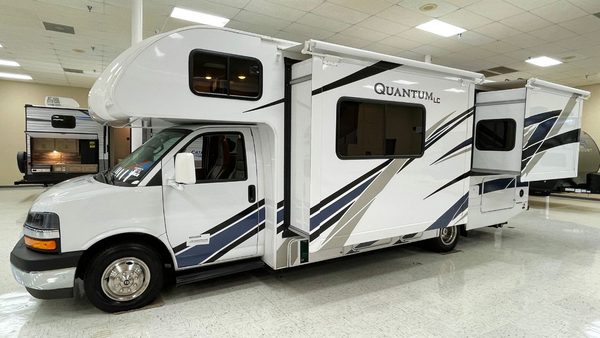
A Class C is a motorhome built on a cutaway van or truck chassis. The cab, engine, transmission, steering, and much of the chassis come from an established vehicle manufacturer.
The RV manufacturer then builds the living area behind and above the cab.
The most recognizable Class C feature is the area extending over the cab. It often contains a bed, although some manufacturers use that space for storage or an entertainment center.
Most gasoline-powered Class C RVs are built on a Ford E-Series chassis, particularly the E-350 and E-450.
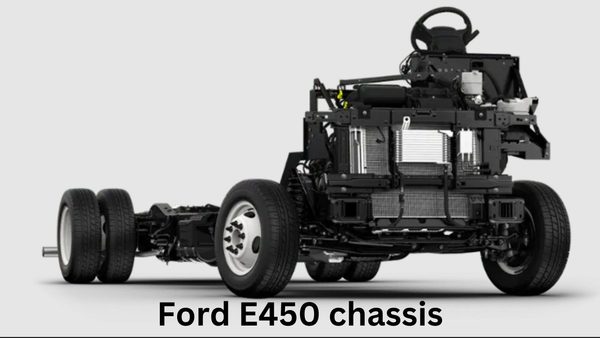
Some smaller models use a Chevrolet chassis, while compact diesel models may use a Mercedes-Benz Sprinter or Ford Transit.
For this article, though, we are mainly focusing on the traditional gasoline-powered Class C market.
Why Are Class C RVs So Popular?
A Class C is often considered the entry point into motorhome ownership because many models cost less than comparable Class A and Class B motorhomes.
That does not mean they are inexpensive, especially after the price increases of recent years. However, they generally provide a great deal of usable space for the money.
Class C motorhomes also come in many lengths and floorplans. You can find a relatively small coach without slideouts or choose a model longer than 30 feet with multiple slides and room for a larger family.
This variety allows buyers to match the motorhome more closely to their camping style, family size, and budget.
If you are comparing smaller motorhomes, my article on the pros and cons of Class B and Class C RVs will help explain the differences.
Advantages of a Class C Motorhome
Before discussing the best Class C RVs for 2025, let’s consider why you might want this type of motorhome in the first place.
Plenty of Sleeping Capacity
Class C motorhomes are often among the best choices for families.
The cab-over bed provides a sleeping area that does not have to be converted every night. Depending on the floorplan, the RV may also include a permanent bed, bunk beds, a sofa bed, and a convertible dinette.
Some larger Class C models can accommodate six, eight, or even more people. Of course, the number of seat belts and the available cargo capacity must also be considered before traveling with a large group.
Still, few other motorhome types provide as many sleeping options at a comparable price.
A Wide Variety of Sizes
Class C RVs are available in a much wider range of sizes than many buyers realize.
A small Class C may be easier to drive, park, and fit into older campgrounds. It may also be less likely to need a separate vehicle for local transportation.
On the other hand, a longer Class C with one or more slideouts can provide a surprisingly spacious interior. These models may include a walk-around bed, larger bathroom, full kitchen, bunk beds, and more comfortable seating.
The tradeoff is that longer motorhomes can be harder to maneuver and may not fit into every campsite. Therefore, think carefully about where you plan to camp before automatically choosing the largest floorplan.
Familiar Cab and Driving Position
Because a traditional Class C is built on a cutaway van chassis, the cab feels familiar to many drivers.
You have driver and passenger doors, a conventional dashboard, and an engine positioned ahead of you. That can make the transition from a pickup truck or large passenger vehicle feel less intimidating than moving directly into a Class A motorhome.
The engine and chassis can often be serviced by commercial truck facilities familiar with Ford or Chevrolet products. However, you should confirm that a local service center has enough space and lifting capacity for the completed motorhome.
Good Value for Vacation and Weekend Travel
Class C RVs are especially well suited to vacations, weekend trips, and seasonal camping.
They provide the conveniences of a motorhome, including a kitchen, bathroom, sleeping area, generator, and climate control. At the same time, many models remain more affordable than larger or more luxurious motorhomes.
Although some people live full-time in Class C RVs, there may be better choices for extended travel if you want more storage, cargo capacity, residential features, and living space.
My guide to the best Class C RVs for full-time living can help you explore that subject further.
Disadvantages of a Class C RV
No RV category is perfect for everyone. Class C motorhomes provide good value, but buyers should understand their limitations before making a purchase.
Limited Exterior Storage
Most traditional Class C motorhomes do not offer as much exterior storage as a Class A.
The chassis frame, drivetrain, fuel tank, holding tanks, and other components consume space beneath the RV. As a result, the storage compartments are often smaller and may not extend all the way across the coach.
That may not be a serious concern for weekend camping. However, limited storage can become frustrating during longer trips or full-time travel.
Pay attention to the Cargo Carrying Capacity as well as the available storage space. A large compartment is not useful if the RV has very little remaining capacity for your belongings.
Floorplans Can Feel Conventional
Class C designs have not changed dramatically over the years. Most still follow familiar layouts involving a cab-over bed, roadside slideout, central kitchen and bathroom, and rear bedroom.
There is nothing necessarily wrong with these traditional layouts. In fact, they remain popular because they work well for many families.
However, buyers looking for cutting-edge design, advanced electrical systems, or unusual floorplans may find more innovation in some Class B and B-plus motorhomes.
Fewer High-Tech Features
Price is a major selling point in the Class C market, so manufacturers must decide where to control their costs.
As a result, entry-level models may have fairly basic electrical systems, appliances, cabinetry, furniture, and entertainment features. They may not include the lithium battery banks, large inverters, advanced solar systems, multiplex wiring, or integrated controls found in more expensive motorhomes.
Of course, simpler systems can also be easier and less expensive to repair. So a lack of advanced technology is not necessarily a disadvantage for every buyer.
Ride and Handling Can Be Disappointing
Ride and handling are common complaints among owners of traditional Class C motorhomes.
The Ford E-Series chassis is durable and widely used, but it is fundamentally a commercial platform. Once an RV body has been installed and loaded for travel, the motorhome may experience body roll, wandering, steering corrections, harsh impacts, or movement when large trucks pass.
The motorhome’s wheelbase, rear overhang, loading, alignment, tire pressure, and suspension condition can all affect how it handles.
Before installing aftermarket parts, weigh the motorhome and make sure the tires are inflated correctly for the load. Then inspect the alignment and original suspension components.
If the ride or handling is still unacceptable, upgrades such as better shocks, sway bars, steering stabilizers, track bars, or more advanced suspension systems may help. My article on motorhome suspension upgrades explains how to approach those improvements in the correct order.
Why Class C Build Quality Varies So Much
The Class C market is highly competitive, especially at the entry level. And that’s important to know if you’re looking for the best Class C RVs for 2025.
Manufacturers know that many buyers shop primarily by monthly payment, floorplan, and appearance. Consequently, some builders focus on reducing production costs so their motorhomes can be advertised at the lowest possible price.
That approach may involve lower-cost materials, less robust construction methods, and limited time for quality-control inspections.
It does not mean that every inexpensive Class C is automatically a bad RV. However, the buyer must look beyond attractive décor and determine how the motorhome was constructed.
Pay attention to the roof, wall construction, exterior seams, cabinetry, plumbing access, wiring, cargo capacity, and the way components are secured. These details often reveal more about long-term quality than countertops, televisions, or decorative lighting.
In my opinion, certain manufacturers consistently make a greater effort than others. Two brands worth considering are Coach House and Entegra Coach if you’re looking for the best Class C RVs for 2025.
Coach House: A Premium Class C and B-Plus Choice
Coach House is a small, family-owned RV manufacturer located in Nokomis, Florida. Unlike many motorhome companies, it is not based in the Elkhart, Indiana, manufacturing area.
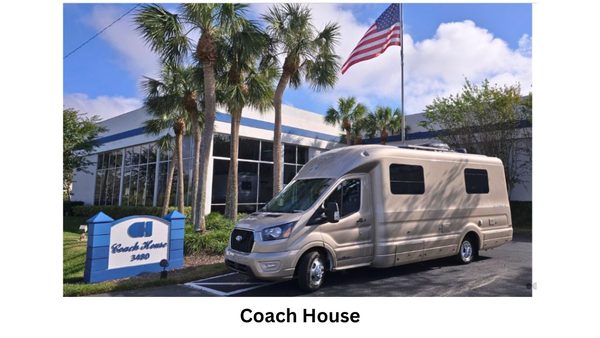
Coach House builds its motorhomes in relatively small numbers and sells factory-direct. The company is best known for premium downsized Class C motorhomes, which are also commonly called B-plus motorhomes.
The Class B-plus label is not an official RV classification. In practical terms, it usually describes a streamlined Class C without the large cab-over sleeping compartment found on a traditional family-oriented model.
Coach House’s One-Piece Fiberglass Body
The feature that separates Coach House from most Class C manufacturers is its patented one-piece fiberglass body.
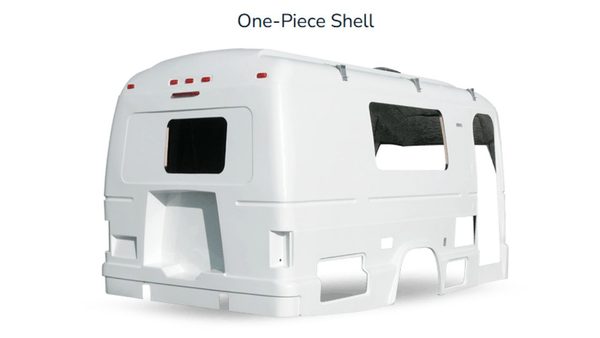
Most motorhomes are assembled using separate walls, a roof, and front and rear caps. Every place where those sections meet creates a seam that must be sealed and maintained.
Over time, neglected or failed sealant may allow water to enter the roof or walls. Water intrusion can then cause rot, delamination, mold, and extensive structural damage.
Coach House molds the main body as a single fiberglass shell reinforced with carbon fiber. Openings must still be made for windows, roof components, doors, and utilities, so no RV is completely free of potential leak points.
However, eliminating the major roof-to-wall and cap seams substantially reduces the number of areas that require ongoing sealant maintenance.
The molded shell can also contribute to a solid and relatively quiet driving experience.
Coach House Interior Quality
The premium approach continues inside the motorhome.
Coach House uses upscale cabinetry, solid-surface counters, quality flooring, and carefully finished interiors. The overall appearance is more luxurious than what you usually find in a high-production entry-level Class C.

Because these motorhomes are built in smaller numbers, buyers can also choose from several finishes and options.
However, you should never assume that a premium brand will automatically have the right floorplan. Carefully evaluate the bed, bathroom, kitchen, seating, storage, and cargo capacity before deciding that the construction quality makes it the right RV for you.
Coach House Models to Consider
The 2025 Coach House lineup included several downsized Class C or B-plus choices on different chassis.
The Platinum and Platinum IV used the Ford E-450 platform. Coach House also offered the Platinum II on the Mercedes-Benz Sprinter and the Platinum III on the Ford Transit.
The Platinum IV is the closest match for someone who wants the space and capacity of a traditional gasoline Class C while retaining Coach House’s streamlined design and molded fiberglass construction.
Depending on the floorplan, Coach House Platinum IV models are approximately 27 feet long and include one or two slideouts.
Coach House Pricing
Coach House does not prominently publish conventional MSRP figures, partly because its motorhomes are sold factory-direct and can be equipped with different options.
When the 2025 models were new, advertised prices commonly placed Coach House well above the high-production Class C market, with many examples exceeding $220,000.
So Coach House is not the choice for someone seeking the lowest-priced Class C. It is a brand for buyers willing to pay more for small-volume production, premium materials, and its distinctive one-piece body.
If quality is more important than obtaining the lowest purchase price, Coach House deserves a long, careful look.
Especially if you specifically are looking for the best Class C RVs for 2025.
Entegra Coach: More Affordable Class C Choices
At the more affordable end of these two recommendations is Entegra Coach.
Entegra is part of Jayco, which in turn is owned by THOR Industries. The Entegra name became established in the motorhome market during the late 2000s, initially focusing heavily on luxury diesel pushers.
The company later expanded into gasoline Class A, Class C, Super C, and Class B motorhomes.
Entegra now produces far more motorhomes than Coach House. However, I feel that it offers a good combination of features, construction, customer support, and real-world pricing within the higher-production portion of the Class C market.
Entegra Construction and Features
Many Entegra Class C motorhomes include a one-piece seamless fiberglass roof. That does not eliminate every possible leak point, but it avoids a long seam down the center of the roof.
Depending on the model, you may also find features intended to improve ride and handling, such as front and rear stabilizer bars, upgraded shocks, or computer-balanced driveshafts.
Entegra and Jayco have also emphasized production processes involving an experienced workforce and quality-control checkpoints.
However, buyers should still inspect the exact motorhome they plan to purchase. Brand reputation cannot guarantee that an individual RV left the factory without defects.
The 2025 Entegra Odyssey SE
The Odyssey SE was Entegra’s more value-oriented Class C line. And it deserves to be considered as one of the best Class C RVs for 2025.

It included several floorplans, ranging from more compact models to family-sized coaches approximately 32 feet long. Depending on the floorplan, the chassis could vary, so buyers should verify whether a particular unit uses a Ford E-350, Ford E-450, or Chevrolet platform.
The Odyssey SE can be a good starting point for buyers who want the Entegra name and a practical Class C layout while keeping the price under control.
However, compare the standard equipment carefully. A lower starting price may mean that you must add options or accept fewer convenience features.
The 2025 Entegra Odyssey
The standard Odyssey moved farther up the Class C lineup.
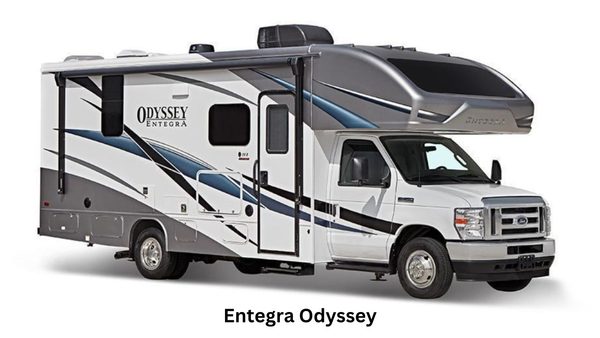
It offered several family-friendly floorplans with cab-over sleeping, permanent beds, slideouts, and models capable of accommodating larger groups. Many were built on the Ford E-450 chassis with the 7.3-liter gasoline V8.
The Odyssey also offered features and finishes beyond those of the SE line, although the exact equipment varied by floorplan.
For families who expect to take regular vacations and want a recognizable high-production brand, the Odyssey is well worth comparing with similarly priced competitors.
The 2025 Entegra Esteem
The Esteem occupied a more upscale position within Entegra’s gasoline Class C lineup.
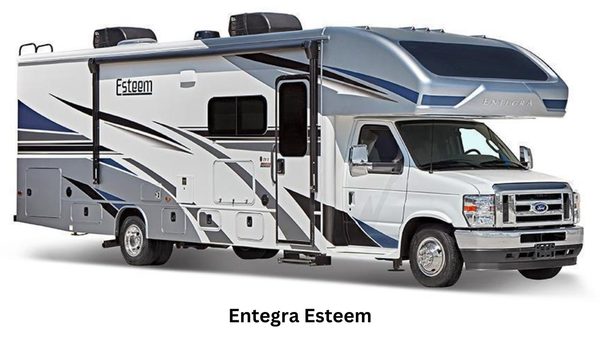
It generally included higher-level features, interior appointments, and convenience equipment than the Odyssey models. Of course, those improvements also raised the price.
The Esteem may appeal to buyers who like the familiar layout and practicality of a traditional Class C but want more comfort and equipment.
What Did 2025 Entegra Class C RVs Cost?
Depending on the model and floorplan, original 2025 MSRPs ranged roughly from the low-$130,000s for some Odyssey SE configurations to around $200,000 or more for certain Esteem models.
Actual dealer selling prices were often substantially below MSRP. For example, discounts of tens of thousands of dollars were common on high-production Class C motorhomes.
This is why buyers should compare the MSRP, advertised price, included options, dealer fees, and out-the-door price. A large discount does not automatically make an RV a good value if the original MSRP was unusually high.
Are Coach House and Entegra the Only Good Choices?
No. These are two brands from different price levels that I believe provide sensible starting points.
Butt here are lots of other good choices when you’re looking for Class C RVs for 2025.
Coach House represents the premium, small-volume end of the market. Entegra offers more conventional Class C motorhomes through a larger dealer network and at more attainable selling prices.
Several other manufacturers also made 2025 Class C motorhomes worth considering. The goal is not to claim that only two good brands exist, but to narrow a very crowded market into a more manageable starting point.
You can explore more Class C comparisons and recommendations on my Class C motorhome information page.
Use a Complete Buying Process
Choosing a reputable manufacturer is only one part of buying the best new Class C RV.
You must also determine whether the floorplan, size, cargo capacity, sleeping arrangements, storage, chassis, and towing capacity fit your needs.
Research the dealer as carefully as the manufacturer. A good dealer can make warranty repairs and post-sale support much easier, while a poorly managed service department can turn even minor problems into months of frustration.
Also, negotiate the complete transaction instead of concentrating only on the monthly payment. Understand the purchase price, financing terms, dealer fees, trade-in value, and cost of any additional products.
My RV buying resource center provides more information about following the right steps and avoiding expensive purchasing mistakes.
Get Every New Class C Independently Inspected
Finally, arrange an independent inspection before taking delivery of any new motorhome.
A new RV can have plumbing leaks, damaged appliances, improperly installed components, electrical problems, sealant defects, slideout issues, or incomplete factory work.
The factory warranty may eventually cover many of those problems. However, that does not mean you should accept the RV first and spend the next year repeatedly returning it to the service department.
A qualified independent inspector can document defects before the purchase is completed. You can then require the dealer to correct the agreed-upon problems and demonstrate that the repairs were completed properly before delivery.
Learn more about why this matters in my complete guide to RV inspections.
You should also understand what a warranty will—and will not—do for you. My article explaining new RV factory warranties covers that subject in detail.
Frequently Asked Questions About the Best 2025 Class C RVs
What were some of the best new Class C RV brands for 2025?
Coach House and Entegra Coach were two brands worth considering. Coach House appealed to premium buyers, while Entegra offered more affordable high-production choices.
They were not the only good Class C manufacturers, so buyers should compare several brands and floorplans.
Is Coach House a Class C or a Class B-plus?
Coach House describes most of its downsized motorhomes as Class C or B-plus models. B-plus is a marketing term rather than an official RV classification.
They use a cutaway chassis like a Class C but have a more streamlined front cap without the large traditional cab-over bed.
What made Coach House different from other Class C RVs?
Its most distinctive feature was a patented one-piece fiberglass body reinforced with carbon fiber.
The design eliminated several major seams found where the roof, sidewalls, and end caps join on conventionally constructed motorhomes.
Which 2025 Entegra Class C models should buyers consider?
The primary gasoline Class C choices included the Odyssey SE, Odyssey, and Esteem.
The Odyssey SE emphasized value, the Odyssey provided more features and family-oriented choices, and the Esteem occupied a more upscale position.
How much did a new 2025 Class C RV cost?
Pricing varied widely by brand, floorplan, chassis, and equipment.
Original MSRPs for 2025 Entegra gasoline Class C models generally ranged from the low-$130,000s to more than $200,000. Coach House models commonly had advertised prices exceeding $220,000, although actual prices depended on configuration and negotiations.
Are Class C RVs good for families?
Yes. Class C motorhomes frequently provide more sleeping capacity than other motorhomes at a similar price.
The cab-over bunk, convertible dinette, sofa bed, permanent bed, and optional bunk beds make many Class C floorplans especially useful for families.
Is a Class C RV good for full-time living?
A Class C can be used for full-time RVing, but storage space, cargo capacity, tank size, and interior living area may become limitations.
For weekends, vacations, and shorter trips, a Class C is often an excellent choice.
Should a brand-new Class C receive an RV inspection?
Absolutely. New RVs can leave the factory with defects, damage, and improperly installed components.
An independent inspection before delivery allows the buyer to identify problems while the dealer is still strongly motivated to correct them.
Conclusion
Class C motorhomes remain popular because they combine sleeping capacity, usable living space, familiar driving controls, and relatively affordable prices.
However, buyers should not assume that every Class C is built to the same standard simply because the floorplans look similar.
For the 2025 model year, Coach House was an excellent premium choice for buyers who valued small-volume construction and a one-piece fiberglass body. Entegra Coach provided more affordable options through the Odyssey SE, Odyssey, and Esteem lines.
Whichever brand you choose, make sure the motorhome fits your needs, research the dealer, negotiate the complete transaction, and arrange an independent inspection before taking delivery.
Following those steps will give you a much better chance of owning a Class C RV that provides enjoyable travel and camping adventures for years to come.
Have safe and happy travels, my friends!