Buying a new RV is exciting. After all, you’re investing in a lifestyle filled with travel, adventure, and unforgettable memories. But before you sign the paperwork, there’s one topic that deserves your full attention: the RV factory warranty.
Many buyers assume that all new RV warranties are basically the same. Unfortunately, that’s not true.
Warranty coverage varies from one manufacturer to another, and understanding what is—and isn’t—covered can save you a tremendous amount of frustration, time, and money later.
As a certified RV inspector, I’ve seen many RV owners surprised when they discover the limitations of their factory warranty or the challenges of getting warranty work completed. In this article, I’ll explain how new RV factory warranties work, what they typically cover, where problems often arise, and whether an RV extended warranty might make sense for your situation.
Let’s get started.
Table of Contents
- What Is a New RV Factory Warranty?
- RV Manufacturers That Offer Better-Than-Average Warranty Coverage
- What Does an RV Factory Warranty Cover?
- Why the Manufacturer May Send You Somewhere Else
- Understanding Structural Warranties
- Maintenance May Be Required
- Where Can You Have Warranty Work Performed?
- Will Every Dealer Honor Your RV Factory Warranty?
- Why Cars and RVs Are Different
- Why Some Dealers Refuse Warranty Repairs
- My Best Advice Before Buying a New RV
- Should You Buy an RV Extended Warranty?
- When an Extended Warranty May Not Be Necessary
- When an Extended Warranty Makes Sense
- Final Thoughts
- Frequently Asked Questions About RV Factory Warranties
What Is a New RV Factory Warranty?
Nearly every new RV sold today includes a factory warranty, but the amount of coverage depends on the manufacturer.
In most cases, you’ll find:
- A one-year limited or bumper-to-bumper warranty covering RV parts, appliances, and components.
- A structural warranty lasting two to three years that covers major structural components of the RV.
Although that’s considered the industry standard, not every manufacturer offers the same level of protection.
Some companies provide additional warranty coverage that goes beyond the average.
RV Manufacturers That Offer Better-Than-Average Warranty Coverage
Based on my current research, these manufacturers generally provide warranty coverage that exceeds the industry norm:
- Airstream
- DRV
- Entegra
- Jayco
- KZ
- Leisure Travel Vans
- Oliver Travel Trailers
- Winnebago (especially its diesel pusher motorhomes)
- Escape Travel Trailers
- Tiffin
- Newmar
Each manufacturer extends coverage differently.
Some lengthen the bumper-to-bumper warranty, while others increase structural coverage. Regardless of how they do it, these brands are worth investigating if warranty protection is high on your priority list.
What Does an RV Factory Warranty Cover?
One of the biggest misconceptions among first-time buyers is believing every warranty covers exactly the same things.
They don’t.
That’s why I always recommend reading the warranty before purchasing an RV.

Generally Covered
Under normal use, a factory warranty usually covers:
- Appliances
- Plumbing components
- Electrical systems
- Furnaces
- Air conditioners
- Refrigerators
- Water heaters
- Factory-installed accessories
- Various mechanical components
The key phrase is normal use.
What Isn’t Covered?
Most manufacturers exclude damage caused by:
- Owner misuse
- Accidents
- Neglect
- Improper maintenance
- Unauthorized modifications
- Abuse
A simple way to think about it is this:
If it breaks during normal use, it’s usually covered. If you break it, it usually isn’t.
Of course, every warranty is different, which is another reason it’s so important to read the fine print before buying.
Why the Manufacturer May Send You Somewhere Else
Here’s something that surprises many new RV owners.
If your refrigerator, furnace, air conditioner, or another appliance fails during the warranty period, the RV manufacturer may not repair it themselves.
Instead, they may direct you to the appliance manufacturer.
Why?
Because RV manufacturers don’t build most of the components inside an RV.
They assemble the finished coach using products supplied by companies that specialize in items like:
- Refrigerators
- Furnaces
- Air conditioners
- Water heaters
- Awnings
- Electronics
- Plumbing fixtures
Those suppliers often provide their own warranty coverage.
While this system is common throughout the RV industry, I understand why it frustrates owners. It would certainly be simpler if the RV manufacturer handled every warranty issue directly.
Nevertheless, don’t be surprised if you’re referred to a component manufacturer. It’s a normal part of how the industry currently operates.
Understanding Structural Warranties
In addition to the standard factory warranty, most manufacturers include a structural warranty.
This typically covers major parts of the RV, including:
- Walls
- Roof
- Floor
- Structural framing
- Major body construction
Because structural failures are less common than appliance failures, manufacturers often provide longer coverage.
However, there’s something many buyers overlook.
Maintenance May Be Required
Some structural warranties require you to perform regular maintenance to keep the warranty valid.
For example, the manufacturer may require:
- Roof inspections
- Roof sealant maintenance
- Resealing exterior joints
- Scheduled inspections
If you fail to perform those maintenance tasks—or can’t prove you did—you may lose warranty coverage.
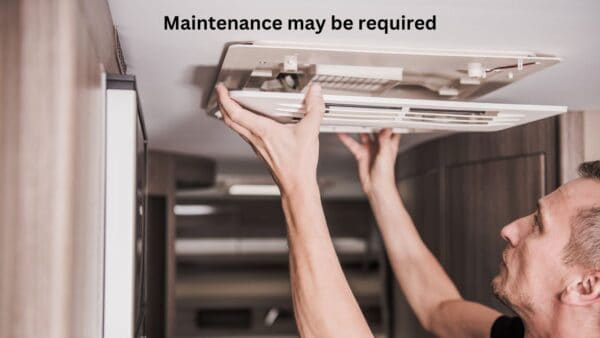
That’s why I strongly recommend asking about maintenance requirements before purchasing the RV.
Where Can You Have Warranty Work Performed?
Another important question many buyers forget to ask is:
Where can warranty repairs actually be completed?
This can make a tremendous difference if something goes wrong while you’re traveling.
Some manufacturers require repairs to be completed at:
- Authorized dealerships
- Approved service centers
Others may allow:
- Independent repair facilities
- Mobile RV technicians
This is worth discussing before you buy.
Why It Matters
Many RV dealerships have significant service backlogs.
It’s not unusual for owners to wait weeks—or even months—for warranty appointments.
On the other hand, if the manufacturer allows mobile RV technicians to perform warranty repairs, you may be able to resolve the issue much more quickly.
Knowing the rules ahead of time helps prevent unpleasant surprises later.
Will Every Dealer Honor Your RV Factory Warranty?
One of the biggest surprises in the RV industry involves dealership warranty service.
Many buyers assume RV dealerships operate like automobile dealerships.
Unfortunately, that’s often not the case.
Why Cars and RVs Are Different
If you buy a new Ford, Toyota, or Honda, virtually any dealership representing that brand can perform warranty repairs.
That’s because automobile dealerships operate under franchise agreements.
Most RV dealerships do not.
Instead, they’re independent businesses that have agreements to sell specific brands.
As a result, a dealer may legally refuse warranty work if you purchased your RV somewhere else.
Needless to say, this catches many RV owners completely off guard.
Why Some Dealers Refuse Warranty Repairs
This issue frustrates many RV owners, but there are several reasons it happens.
Warranty Work Isn’t Highly Profitable
Despite what you’ve probably heard, warranty repairs generally don’t generate large profits for dealerships.
Communication Can Be Slow
Warranty claims often require approval from manufacturers.
Unfortunately, communication between dealerships and manufacturers isn’t always efficient.
That slows the repair process considerably.
Qualified RV Technicians Are in Short Supply
The RV industry continues to face a shortage of experienced service technicians.
Because of that, dealerships naturally give scheduling priority to customers who purchased their RVs there.
My Best Advice Before Buying a New RV
If you’re purchasing an RV outside your local area because you found a better price, take one extra step before signing the contract.

Call your local dealer that sells the same brand and ask:
“If I purchase this RV elsewhere, will you perform warranty work for me?”
Get the answer before you buy.
Otherwise, you could discover later that your nearest dealer won’t help you, forcing you to travel hundreds of miles just to have warranty repairs completed.
That’s a situation you definitely want to avoid.
Should You Buy an RV Extended Warranty?
Eventually, your factory warranty will expire.
When that happens, many RV owners wonder whether they should purchase an RV extended warranty—more accurately called a service contract.
The answer depends largely on the type of RV you own and your comfort level with repairs.
When an Extended Warranty May Not Be Necessary
If you:
- Own a towable RV
- Enjoy doing your own repairs
- Have a good set of tools
- Are mechanically inclined
you may be able to save the money and pay for occasional repairs yourself.
Many common RV repairs are well within the ability of an average owner.
When an Extended Warranty Makes Sense
On the other hand, an extended warranty deserves serious consideration if you:
- Own a motorhome
- Have a gasoline or diesel engine
- Aren’t comfortable making repairs
- Want protection against major repair costs
Diesel pushers, in particular, can generate extremely expensive repair bills.
A quality service contract can provide valuable financial protection against unexpected failures.
As with factory warranties, be sure to carefully compare coverage before purchasing any extended plan.
If you want to learn more about extended warranties, just watch my video on the subject by clicking on the image below:
Final Thoughts
A new RV factory warranty provides valuable peace of mind—but only if you understand how it works before you buy.
Take time to read the warranty documents carefully. Ask questions about maintenance requirements, where repairs can be completed, and whether local dealers will honor the warranty.
Doing a little homework now can save you countless headaches later.
If you’re also considering an extended warranty after the factory coverage expires, weigh the cost against your mechanical ability, the type of RV you own, and your tolerance for repair expenses.
The more informed you are before making your purchase, the better prepared you’ll be to enjoy your RV with confidence.
Safe and happy travels, my friends.
Frequently Asked Questions About RV Factory Warranties
How long is a typical RV factory warranty?
Most new RVs include a one-year limited or bumper-to-bumper warranty, along with a structural warranty lasting two to three years.
What does an RV factory warranty cover?
Most warranties cover factory-installed parts, appliances, and components that fail during normal use.
Are appliances covered under the RV warranty?
Often they are, but the RV manufacturer may direct you to the appliance manufacturer for warranty service.
Will any RV dealer perform warranty work?
No. Unlike automobile dealerships, many RV dealers are not required to honor warranties on RVs purchased elsewhere.
Do I have to perform maintenance to keep my warranty?
Sometimes. Certain structural warranties require documented maintenance, such as roof inspections and sealant maintenance.
Should I buy an RV extended warranty?
It depends. Owners of motorhomes—especially diesel pushers—or those who don’t perform their own repairs often benefit the most from extended coverage.