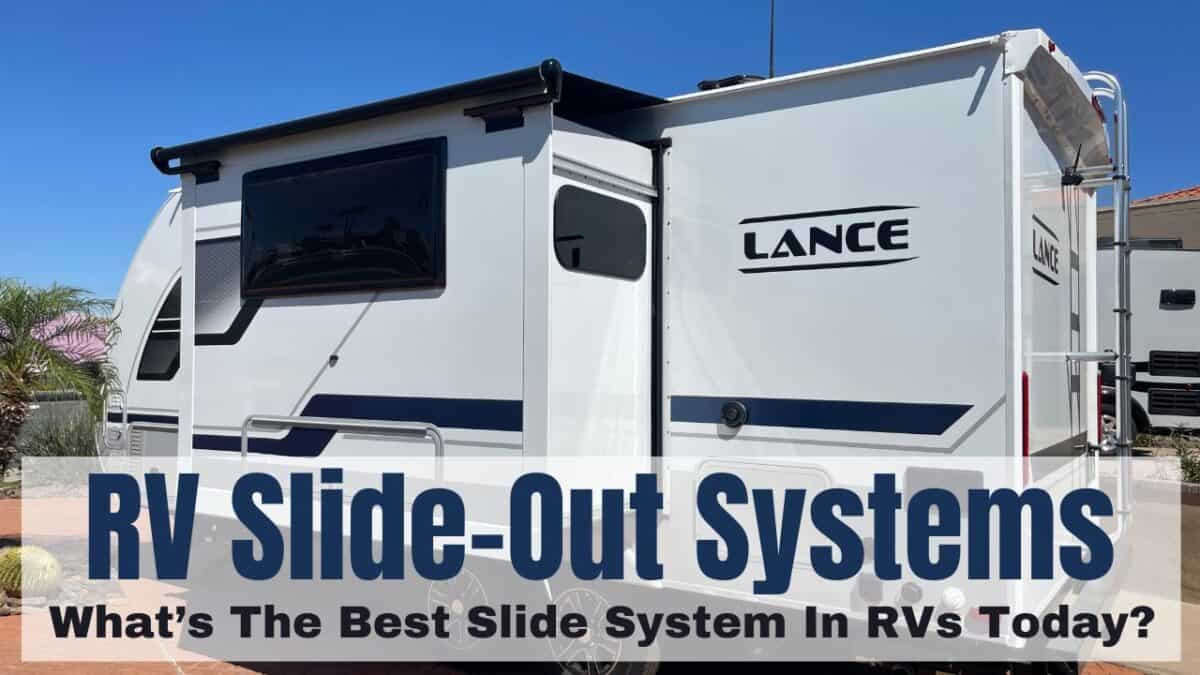
So what is the best RV slide-out system? Let’s talk about that!
As a certified RV inspector, I’ve inspected hundreds of RVs with every major slide-out system currently on the market.
And when you’re shopping for a new or used RV, one feature you’re almost guaranteed to encounter is the slide-out room. Slide-outs have become one of the most popular features on both towable RVs and motorhomes because they dramatically increase the available living space.
Not everyone is a fan of slide-outs, however. Some RV buyers purposely avoid them because they’ve heard stories about expensive repairs, water leaks, or slide failures. Those concerns are understandable. Like any mechanical system, slide-outs require maintenance and can occasionally develop problems.
Even so, most RV owners decide the added interior space is well worth the tradeoff.
If you’ve ever stepped inside an RV with opposing slide-outs, you know exactly what I mean. When both rooms are extended, the interior suddenly feels much more like a small apartment than an RV.
The key is understanding that not all RV slide-out systems are the same.
Some are designed to move very large, heavy slide rooms. Others are intended only for smaller bedroom or wardrobe slides. Choosing the right system—and knowing whether it’s being used correctly—can make a significant difference in long-term reliability.
Let’s take a closer look at the five most common RV slide-out systems, how they work, and the pros and cons of each.
You can also choose to watch my video on this subject by clicking on the image below:
Quick Answer: If you’re looking for the most reliable RV slide-out system, I recommend the electric through-the-frame rack-and-pinion system. It’s proven, durable, handles heavy slide rooms exceptionally well, and is relatively easy to repair if something eventually wears out.
Electric Through-the-Frame Rack and Pinion Slide System
If I had to describe one slide mechanism as the workhorse of the RV industry, this would be it.
The electric through-the-frame rack and pinion system has been around for many years. It’s proven, dependable, and capable of handling extremely heavy slide rooms.
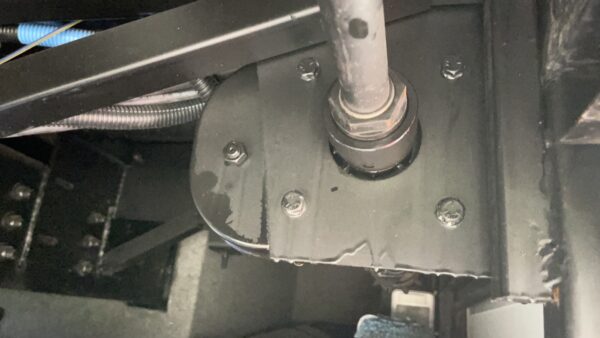
Many higher-quality RV manufacturers continue to use this system on their largest slides because of its strength and durability.
How It Works
An electric motor drives gears connected to steel rack-and-pinion arms that extend through the RV frame. Those arms push the slide room out and pull it back in.
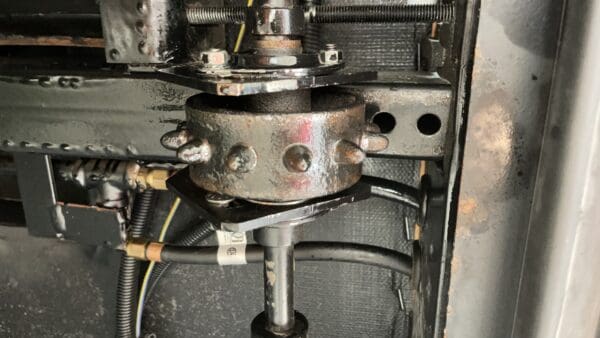
Some buyers become concerned when they notice openings cut through the RV frame for these arms. Fortunately, this usually isn’t an issue. Manufacturers reinforce the frame around these openings, and I have not seen widespread structural problems associated with this design.
Advantages
- Extremely reliable
- Excellent for large and heavy slide rooms
- Proven design with years of successful use
- Electric motor is generally easy to service or replace
- Manual retraction is available if the motor fails
Disadvantages
- Slightly heavier than some newer systems
- Requires through-frame installation
Overall, this remains my favorite slide system because of its excellent reliability and long service history.
Hydraulic Through-the-Frame Rack and Pinion System
Hydraulic slide systems are another excellent choice, especially on larger luxury RVs.
Instead of using an electric motor to move the slide room, this system uses hydraulic cylinders (also called hydraulic rams).
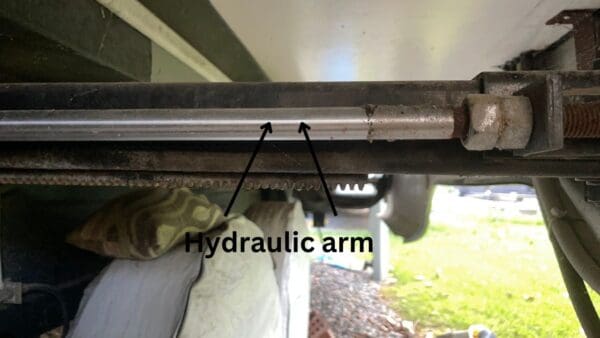
One thing that surprises many new RV owners is just how quickly hydraulic slides move.
The first time you watch one extend, it almost seems too fast. Don’t worry—that’s completely normal.
Advantages
- Extremely powerful
- Handles very heavy slide rooms with ease
- Smooth operation
- Often includes manual retraction if hydraulic pressure is lost
Disadvantages
The biggest drawback isn’t reliability—it’s control.
Many hydraulic systems operate multiple slide-outs simultaneously. Rather than controlling each slide independently, pressing one button may move two or more slides at the same time.
This isn’t necessarily a problem, but it’s something buyers should know before purchasing.
Schwintek Slide System
Few RV slide systems have generated as much discussion as the Schwintek system.
Unfortunately, much of its reputation comes from being used in situations where it really wasn’t designed to operate.
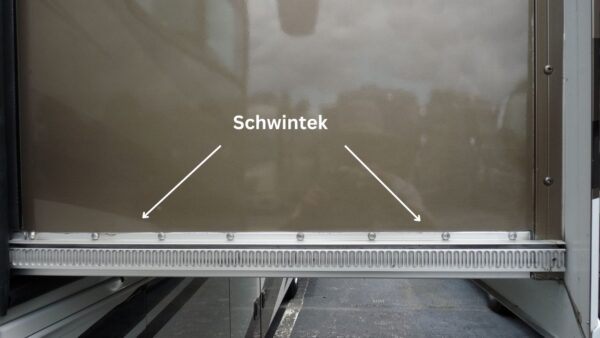
Why Schwintek Gets a Bad Reputation
The Schwintek system performs very well when it’s used exactly as intended.
Problems usually occur when manufacturers install it on oversized or particularly heavy slide rooms. Those larger slides place much greater stress on the mechanism, increasing the likelihood of failures.
In many cases, the slide system receives the blame when the real issue is improper application.
Where Schwintek Excels
The Schwintek system works exceptionally well on:
- Bedroom slides
- Wardrobe slides
- Smaller kitchen slides
- Lightweight slide-outs
Advantages
- Lightweight
- Reliable when used correctly
- Smooth operation
- Manual retraction available
Disadvantages
- Not ideal for large or super slides
- Can experience synchronization issues if overloaded
When matched with the proper size slide room, I’ve found the Schwintek system to be much more reliable than many people believe.
Cable Slide Systems
Cable-operated slide systems have also received their share of criticism over the years.
Once again, much of that criticism comes from improper maintenance rather than poor design.
How Cable Slides Work
Heavy-duty steel cables pull the slide room in and out using pulleys located around the slide opening.
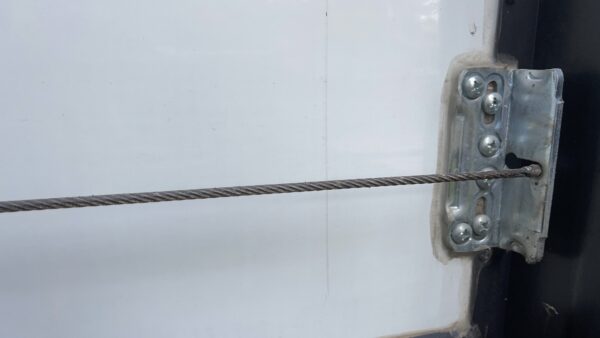
These cables must remain properly tensioned to operate correctly.
Advantages
- Lightweight
- Reliable when maintained properly
- Works well on smaller slide rooms
Disadvantages
The biggest downside is space.
Unlike many other slide mechanisms, the cable system’s operating components are typically mounted inside the RV above the slide opening.
That equipment usually occupies about five inches of interior space that other slide systems don’t require.
Cable maintenance is also important.
Owners should regularly inspect for:
- Frayed cables
- Loose cable tension
- Signs of wear
If the cables remain in good condition, these systems generally perform very well.
Manual retraction is usually possible unless a cable has actually broken.
SlimRack Slide System
SlimRack is one of the newer slide systems entering the RV market.
In many ways, it resembles the Schwintek system, although it appears to have a more robust design.
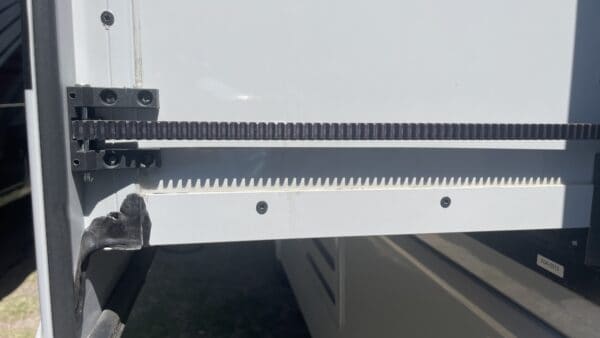
Advantages
- Compact design
- Stronger appearance than Schwintek
- Manual retraction available
- Performs well on smaller slide rooms
Potential Concerns
One trend I’ve begun noticing concerns me.
Some manufacturers are installing SlimRack systems on very large or super slide rooms.
When I inspect these installations, I often see the mechanism under significant stress.
While time will ultimately tell how these systems perform over the long term, I would currently be cautious about buying an RV with SlimRack installed on particularly large slide-outs.
For smaller slides, however, I think the system is perfectly acceptable.
Which Is The Best RV Slide-Out System?
This is the question I hear most often.
The honest answer is that all five systems can perform very well when they’re used for the type of slide room they were designed to handle.
That’s the important part.
No slide mechanism can compensate for being asked to move more weight than it was engineered to carry.
If manufacturers match the proper slide system to the proper slide room, and owners perform regular maintenance, most slide systems provide years of dependable service. My Brinkley Model Z review gives an example of matching larger living-area slides and smaller bedroom slides to different mechanisms.
That said, if I had to choose my personal favorite, my rankings would look like this:
- Electric through-the-frame rack and pinion
- Hydraulic through-the-frame rack and pinion
- Schwintek (for smaller slides only)
- Cable slide system (when properly maintained)
- SlimRack (primarily on smaller slides)
The electric through-the-frame rack and pinion system continues to earn my top recommendation as the best RV slide-out system overall because it’s proven, durable, easy to service, and capable of handling almost any slide room manufacturers build today.
Don’t Forget About Slide Maintenance
Regardless of which slide mechanism your RV uses, proper maintenance is essential.
Routine inspections can identify small problems before they become expensive repairs.
Regular maintenance should include:
- Cleaning slide seals
- Inspecting rubber wiper seals
- Checking slide alignment
- Looking for loose fasteners
- Inspecting cables or gears (depending on the system)
- Keeping mechanisms clean
- Following your manufacturer’s lubrication recommendations
Taking just a little time each season can dramatically increase the lifespan of your RV’s slide-out system.
Frequently Asked Questions
Which RV slide-out system is the most reliable?
In my experience, the electric through-the-frame rack and pinion system has the best long-term reliability. It’s been around for many years, handles heavy slide rooms well, and is relatively easy to repair if problems develop.
Are hydraulic slide systems better than electric?
Not necessarily. Hydraulic systems excel at moving very heavy slide rooms quickly and smoothly, but electric rack-and-pinion systems offer excellent reliability while allowing independent control of individual slides.
Is the Schwintek slide system unreliable?
Not when it’s used correctly. Most Schwintek problems occur when manufacturers install the system on oversized slide rooms that exceed its intended capabilities. On smaller bedroom and wardrobe slides, it generally performs very well.
Are cable slide systems dependable?
Yes, provided they’re properly maintained. Regular inspections for frayed cables and proper cable tension go a long way toward preventing problems.
Should I avoid buying an RV with slide-outs?
For most RV buyers, no. Slide-outs greatly improve interior living space and comfort. While they do require maintenance, the benefits usually outweigh the potential drawbacks.
How often should RV slide-outs be inspected?
I recommend inspecting your slide-outs before every major trip and performing a more thorough inspection at least twice each year. Catching small issues early is far less expensive than repairing a failed slide mechanism.
Final Thoughts
Slide-outs have transformed the RV industry by making modern RVs far more comfortable and spacious than ever before. While every slide mechanism has its own strengths and weaknesses, none of them should automatically be considered “good” or “bad.”
The real key is making sure the slide system is being used for the type and weight of slide room it was designed to move.
If that happens—and you keep up with regular maintenance—you’ll likely enjoy years of trouble-free operation.
Personally, I continue to give the edge to the electric through-the-frame rack and pinion system because of its proven reliability, strength, and serviceability. So that’s my selection as the best RV slide-out system!
Hydraulic systems come in a close second, especially on larger luxury RVs.
As with nearly every aspect of RV ownership, a little knowledge goes a long way. Understanding how these systems work will help you make a more informed buying decision and keep your RV performing its best for years to come.
If you’d like to learn how to properly inspect and maintain your RV’s slide-outs, be sure to watch my slide maintenance video. A little preventative care today can save you from a very expensive repair tomorrow.
What brand of campers use the rack and pinion system.
I’m looking for a RV with that system.
Hi Laura. There are many brands that use rack and pinion system for slide rooms. Too many to mention them all here. Just look for the arms underneath the slide that pull it out and pull it in. I hope that helps.