
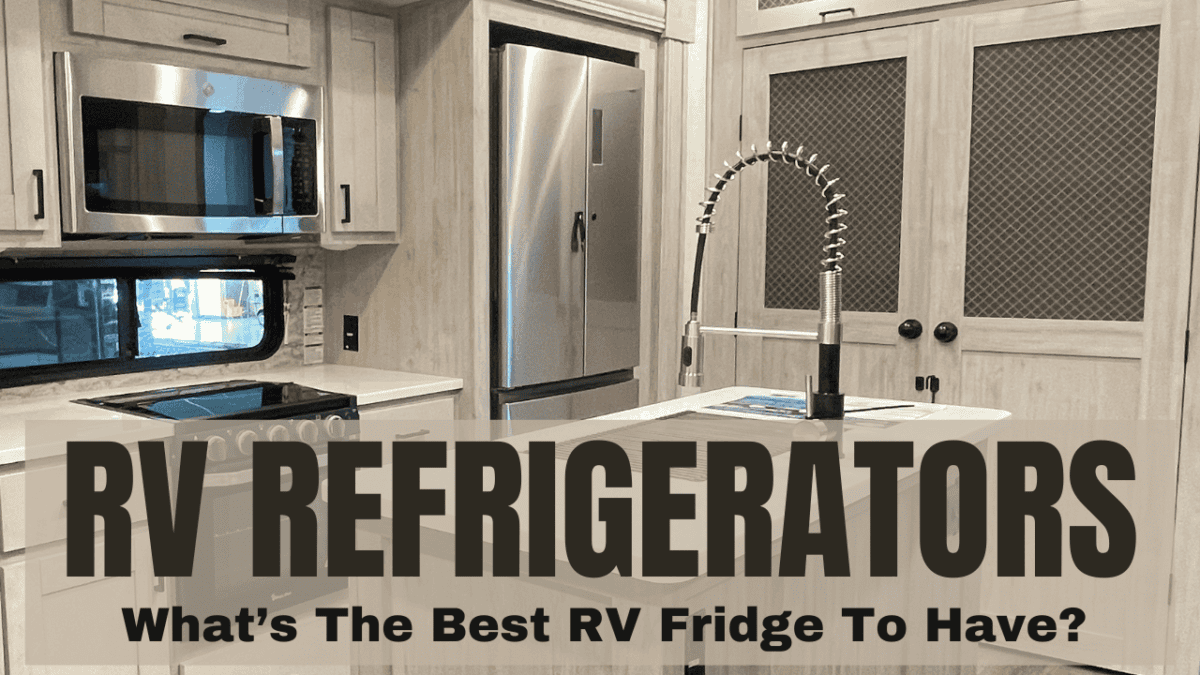
One of the most important appliances in any RV is the refrigerator. Unfortunately, it’s also one of the most misunderstood.
Talk to RV owners and you’ll quickly discover that RV refrigerators tend to create strong opinions. Some people love them. Others can’t wait to replace them. The reason is simple: there is no single best RV refrigerator for everyone.
The right choice depends entirely on how you travel, where you camp, and what conveniences matter most to you.
As a certified RV inspector, I’ve spent years evaluating RV systems and helping buyers understand what works best for their particular needs. When it comes to choosing an RV refrigerator, there are three primary options available today:
- Gas absorption refrigerators
- Residential refrigerators
- 12-volt compressor refrigerators
Each has distinct advantages and disadvantages.
In this RV refrigerator comparison, I’ll explain how each type works, discuss the pros and cons, and help you determine which refrigerator is the best fit for your RV lifestyle.
You can also choose to watch my video on this subject by clicking on the image below:
Understanding the Three Types of RV Refrigerators
Before comparing them, let’s briefly discuss how each refrigerator operates.
Gas Absorption Refrigerators
The traditional RV refrigerator uses a heated chemical process rather than a compressor.

Heat causes chemicals to cycle between liquid and vapor states. As the process continues, heat is removed from inside the refrigerator, creating cooling.
These refrigerators typically operate using:
- Propane (LP gas)
- 120-volt AC power
- Sometimes 12-volt DC power on three-way models
Residential Refrigerators
These are the same compressor-style refrigerators found in most homes.
They operate exclusively on 120-volt AC power and use a compressor to circulate refrigerant.

12-Volt Compressor Refrigerators
A 12 volt RV refrigerator uses compressor technology similar to a residential refrigerator but runs directly on 12-volt battery power.
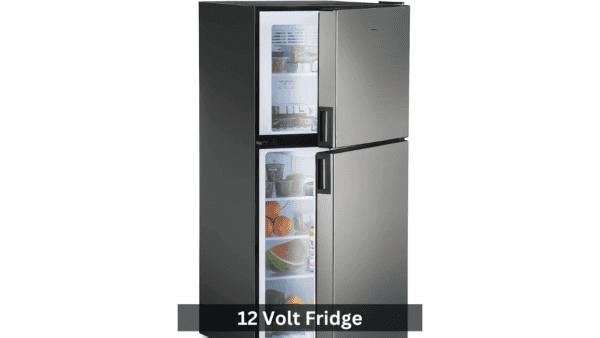
This newer design has become increasingly popular among RV manufacturers.
Gas Absorption Refrigerators: The Traditional RV Refrigerator
For decades, the gas absorption refrigerator has been the standard refrigerator found in RVs.
Advantages of a Gas Absorption Refrigerator
Built Specifically for RV Travel
One major advantage is durability.
Since there are no moving compressor components, these refrigerators handle road vibration extremely well. They were designed from the beginning for RV travel.
Secure Door Latches
Most gas absorption refrigerators include built-in door latches that help prevent the doors from swinging open while traveling.
Anyone who has arrived at a campsite to find groceries scattered across the floor can appreciate this feature.

Exceptional Power Flexibility
Perhaps the biggest advantage is flexibility.
A typical two-way refrigerator can operate on:
- 120-volt AC power
- Propane
A three-way refrigerator adds:
- 12-volt DC power
This flexibility allows RVers to camp comfortably whether connected to shore power or boondocking miles from civilization.
Disadvantages of a Gas Absorption Refrigerator
Performance Drops in Hot Weather
The biggest weakness of a gas absorption refrigerator is heat.
Once outside temperatures reach 90 degrees or higher, cooling performance often declines significantly.
Many RV owners have experienced the famous “ice cream test.”
If your ice cream stays hard, your refrigerator is performing well. If it becomes soft, the refrigerator is struggling.
Smaller Storage Capacity
Most traditional RV refrigerators are considerably smaller than residential refrigerators.
That means:
- Less food storage
- More frequent grocery trips
- Less convenience for extended travel
Must Remain Reasonably Level
Unlike compressor refrigerators, absorption refrigerators require reasonably level operation.
Running them off-level repeatedly can shorten their lifespan and potentially damage cooling components.
Manual Defrosting
Many models require periodic manual defrosting.
If you’re accustomed to modern home refrigerators, this can feel like a step backward.
Ventilation Requirements
Proper airflow behind the refrigerator is critical.
Poor ventilation can dramatically reduce cooling performance and shorten refrigerator life.
Higher Replacement Costs
Like many RV-specific products, gas absorption refrigerators are expensive to purchase and replace.
Who Should Choose a Gas Absorption Refrigerator?
A gas absorption refrigerator is often the best RV refrigerator for:
- Frequent boondockers
- Off-grid campers
- Travelers who spend extended periods away from hookups
- RVers who value power flexibility
If you enjoy both RV parks and off-grid camping, the traditional RV refrigerator remains an excellent choice.
Residential Refrigerators: Bringing Home Comfort to the RV
Residential refrigerators have become increasingly common in larger fifth wheels and motorhomes.

Many full-time RVers love them.
Advantages of a Residential Refrigerator for RV Use
Larger Food Capacity
This is the biggest advantage.
Residential refrigerators typically offer far more storage space than traditional RV refrigerators.
Benefits include:
- Fewer grocery trips
- More food storage
- Greater convenience for families
- Better organization
Superior Cooling Performance
Residential refrigerators excel in hot weather.
Whether temperatures are 70 degrees or 105 degrees, compressor technology maintains consistent cooling.
Your food stays colder.
Your freezer performs better.
And yes, your ice cream stays hard.
Automatic Defrosting
No scraping frost or shutting down the refrigerator.
And no hassle.
Most residential refrigerators automatically manage frost buildup.
No Special Ventilation Requirements
While some air circulation is beneficial, residential refrigerators don’t require the extensive venting systems needed by absorption refrigerators.
Often Less Expensive
Surprisingly, many residential refrigerators cost less than RV-specific alternatives.
Disadvantages of a Residential Refrigerator
Not Designed for RVs
Residential refrigerators were built for houses, not moving vehicles.
As a result, installation can be challenging.
Some RV owners have reported:
- Removing windows
- Removing windshields
- Removing slide rooms
simply to get a refrigerator into the RV.
Door Security Issues
Most residential refrigerators lack travel latches.
Additional modifications are often necessary to keep doors closed while traveling.

Significant Power Requirements
This is the biggest drawback.
A residential refrigerator requires 120-volt AC power at all times.
For boondocking, you’ll need:
- Large solar arrays
- Large battery banks
- A quality inverter
Without those systems, off-grid camping becomes difficult.
Who Should Choose a Residential Refrigerator?
A residential refrigerator for RV use is ideal for:
- Full-time RVers
- Large families
- RVers who primarily stay in campgrounds
- Travelers who prioritize home-like convenience
If you spend most of your time connected to shore power, this may be the best RV refrigerator for your needs.
The 12 Volt RV Refrigerator: The Modern Middle Ground
The 12 volt RV refrigerator has become one of the fastest-growing trends in the RV industry.
Many manufacturers now install them as standard equipment.
Advantages of a 12 Volt RV Refrigerator
Excellent Cooling Performance
Like residential refrigerators, 12-volt compressor refrigerators perform exceptionally well in hot weather.
They cool quickly and maintain stable temperatures.
No Propane Required
Some RV owners appreciate eliminating propane entirely from the refrigerator system.
Since propane refrigerator fires have occurred in the RV industry over the years, some travelers prefer the added peace of mind.
No Leveling Requirements
A 12 volt RV refrigerator doesn’t care whether your campsite is perfectly level.
That simplifies setup and operation.
Automatic Defrosting
Like residential models, defrosting happens automatically.
RV-Friendly Design
Unlike residential refrigerators, these units are designed specifically for RV travel.
Many include:
- Travel latches
- RV-specific mounting systems
- Compact dimensions
No Inverter Needed
This is a major advantage.
Because the refrigerator operates directly from battery power, no inverter is required.
Disadvantages of a 12 Volt RV Refrigerator
Smaller Than Residential Refrigerators
While larger than some traditional RV refrigerators, they still generally can’t match the capacity of residential units.

Significant Battery Usage
Although no inverter is needed, compressor refrigerators consume a substantial amount of electricity.
RVers who depend on battery power for refrigeration may benefit from the greater usable capacity of lithium. However, read this lithium RV battery guide before deciding whether the conversion is worthwhile.
For extended boondocking, you’ll still need:
- Solar panels
- Large battery banks
- Generator backup in some situations
Higher Purchase Cost
Like most RV-specific appliances, a 12 volt RV refrigerator can be expensive to replace.
Who Should Choose a 12 Volt RV Refrigerator?
This option often represents the middle ground.
It combines many benefits of both traditional RV refrigerators and residential refrigerators.
It’s a great fit for:
- Weekend campers
- Travelers who use campgrounds frequently
- RVers seeking better cooling performance
- Owners who want modern convenience without a residential conversion
Which RV Refrigerator Is Best for Boondocking?
If your primary goal is off-grid camping, the answer is usually straightforward.
Best Choice: Gas Absorption Refrigerator
Because it operates on propane, battery consumption remains extremely low.
You can camp for extended periods without needing massive solar systems or battery banks.
Second Choice: 12 Volt RV Refrigerator
A 12 volt RV refrigerator can work well for boondocking if you have sufficient:
- Solar capacity
- Battery storage
- Energy management
Least Suitable: Residential Refrigerator
While possible, residential refrigerators demand the largest electrical system investment.
Which RV Refrigerator Is Best for Full-Time RV Living?
Full-time RVers often prioritize comfort and convenience.
For many of them:
Best Choice: Residential Refrigerator
The larger capacity, excellent cooling performance, and household convenience make residential units very attractive.
Alternative Choice: 12 Volt RV Refrigerator
Many newer full-timers are choosing 12-volt compressor refrigerators because they offer strong performance while remaining RV-specific products.
Final Thoughts: Choosing the Best RV Refrigerator
There is no universally perfect RV refrigerator.
The best choice depends on how you travel.
If you love boondocking and want maximum flexibility, a gas absorption refrigerator remains hard to beat.
On the other hand, if you want household convenience and spend most of your time in campgrounds, a residential refrigerator for RV use may be ideal.
Or if you’re looking for a modern compromise that combines many advantages of both systems, a 12 volt RV refrigerator deserves serious consideration.
The key is matching the refrigerator to your camping style rather than simply choosing the newest or most popular option.
Do that, and you’ll be much happier with your RV ownership experience.
Safe and happy travels, my friends.
Frequently Asked Questions About RV Refrigerators
What is the best RV refrigerator for boondocking?
Most boondockers still prefer gas absorption refrigerators because they can run on propane with very little battery usage.
Are 12-volt RV refrigerators better than propane refrigerators?
They cool better in hot weather and require less maintenance, but they use significantly more battery power.
Why do RV refrigerators struggle in hot weather?
Gas absorption refrigerators rely on heat transfer and airflow. High outside temperatures reduce their efficiency.
Can I replace my RV refrigerator with a residential refrigerator?
Yes, but modifications may be required for installation, ventilation, and door security.
Do residential refrigerators work while traveling?
Yes, if the RV has sufficient battery capacity and an inverter to provide continuous 120-volt AC power.
How long will a 12-volt RV refrigerator run on batteries?
That depends on battery size, solar input, ambient temperature, and refrigerator efficiency, but they generally require substantial battery capacity for extended off-grid use.