Should You Buy A Super Class C RV Or A Class C RV?

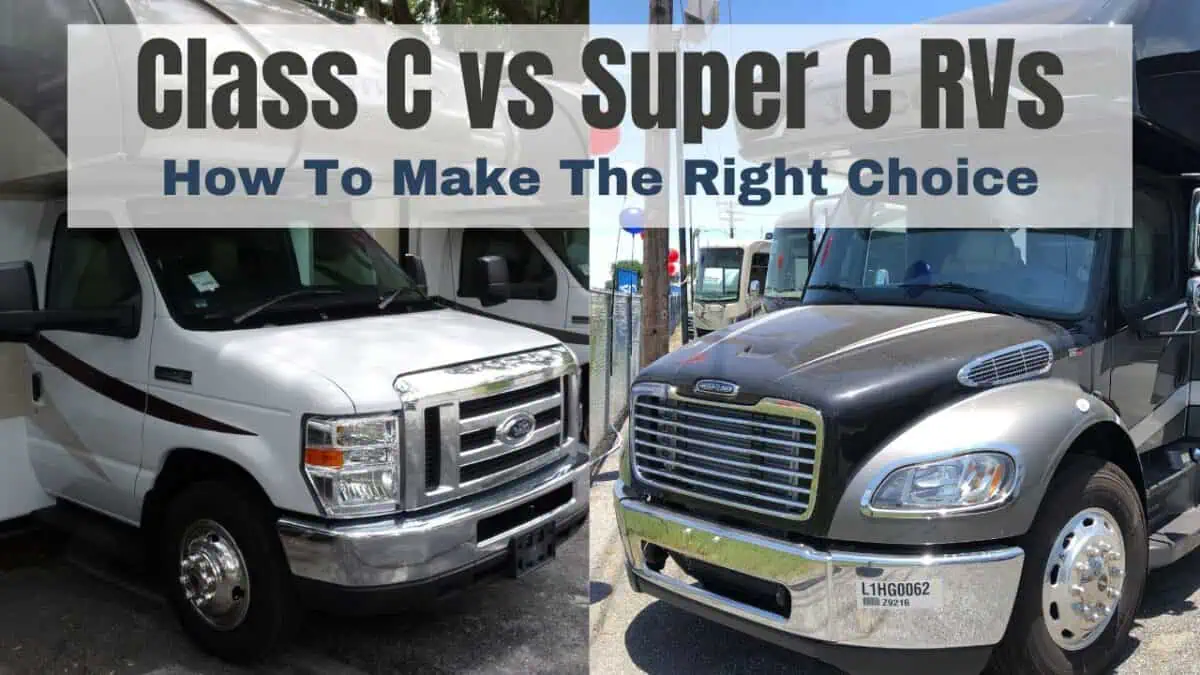
This article is about Super Class C RV motorhomes versus regular Class C motorhomes.

Yes, there’s several categories of RVs. And if you want a motorhome you can choose from Class A, B or C.

But if you want a towable RV instead, you can choose from fifth wheels or travel trailers.

However, there are additional sub categories in the RV industry as well. And that’s where the Super Class C RV comes in.

Of course, many people just lump Class C and Super Class C’s together.

But the truth is that they are extremely different from the ground up. So the question is, how does a normal class C compare to a Super C?

Well, let’s cover the pros or advantages of each of these kinds of RV first.

And then you will know a little bit more about which appeals to you most. Which is best for the way you like to travel and camp.

Watch my video on Super Class C RVs vs Class C RVs

Table of Contents

Class C RV Pro #1

So let’s start with the typical Class C first. And the number one pro of a normal Class C is its affordability.
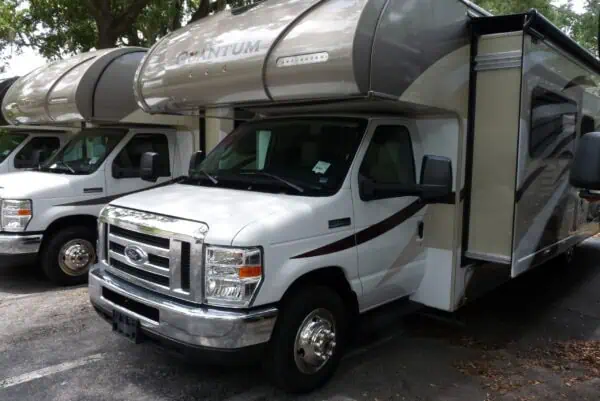
A typical Class C RV

I mean, if you go out and start shopping for a new Class C RV, you’re going to find lots of them under $100,000 brand new.

But if you start looking on the used market the news gets even better. Because you’re going to find lots of very good class C RVs under $50,000.

Class C RVs tend to be the most affordable kind of motorhome you can buy

And that kind of affordability opens up a pathway to RVing for a lot more people. That’s a very good thing for lots of motorhome buyers!

Class C RV Pro #2

OK, the next pro is that normal Class C RVs are usually smaller and shorter in length.

Especially when comparing them to the bigger Class A Motorhomes. And that means that they can often fit in more campsites, more easily.

Also, they can fit into boondocking areas much better than larger motorhomes too. And that’s a big pro for RVers who love to go off-road.

Class C RV Pro #3

Now the next pro is that a lot of folks comment that they find the Class C easier to drive.

Once again, especially so when compared to larger Class A motorhomes like diesel pushers.

Many people describe them as more nimble in traffic. And they say they are much easier for getting in and out of smaller places.

In fact, that is one of the big disadvantages of larger bus-like class A RVs.

Many Class A RVs tend to be less nimble and require more focus to drive

They require a lot of focus anytime you have to get them in and out of confined spaces. But Class C RVs can make that job much easier.

Class C RV Pro #4

OK, here’s another great pro. And that is that normal Class C RVs are a great choice for families. More so than other motorhomes.

Class C RVs can be a great choice for families

And that’s because there’s usually plenty of sleeping options in most Class C RVs.

In fact, RV manufacturers have gone out of their way to find places to sleep lots of people in a typical Class C.

So it’s not unusual to see class C RVs that will sleep up to 10 people at the same time. And that’s a huge pro for large families.

Class C RV Pro #5

Then the next pro is the fact that Class C RVs usually come with a gasoline engine and drivetrain.

So what does that mean? Well, suppose you are good with tools and you like to work on vehicles.

In that case, there’s a very good chance that you can do pretty much all the maintenance on your own RV’s engine and drivetrain.

And you might even be able to repair a lot of issues that could go wrong as well.

But even if that’s not the case. Even if you’re not going to work on your own RV, are there still advantages to having a gasoline engine?

Yes it can still be a big pro. Because a normal class C RV is easily worked on by lots of facilities and service techs out there.

One big reason for that is because the engine is right up front and easy to access for any repair tech.

And that is not true with larger diesel pusher motorhomes. They often have their engine buried under the floor in the back of the RV.

And that makes working on them much more difficult. So much so, that many vehicle repair facilities just refuse to work on them altogether.

But the typical Class C has a normal gasoline engine that is much easier to access and repair. And that’s a big pro!

Now let’s switch gears a little bit and talk about the Super Class C RV pros instead.

Super Class C Pro #1

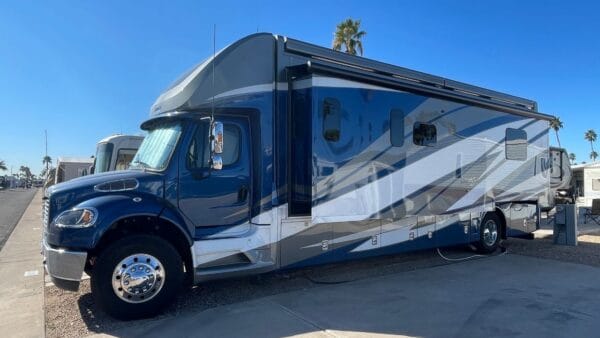
And the number one pro of a Super C is that big heavy duty commercial truck chassis.
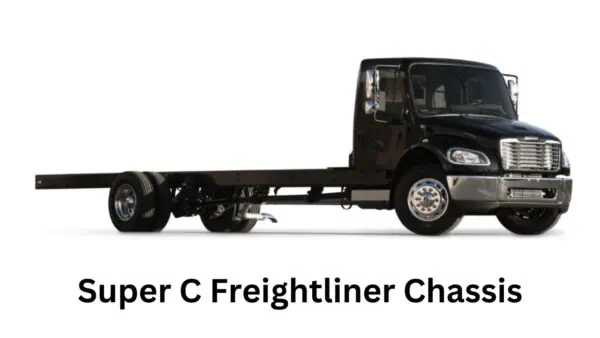
A big advantage of a Super Class C RV is it's heavy duty chassis
A big advantage of a Super Class C RV is it’s heavy duty chassis

In fact, it’s what makes all the other pros we’re going to talk about possible.

That’s because that big chassis allows you to carry more weight in the RV as you travel and camp.

So you can have more cargo that goes along with you. And it also means that the manufacturer can put more amenities and luxuries in it too.

Super Class C RV Pro #2

Then the next pro is that there’s more storage space in a Super C RV too.
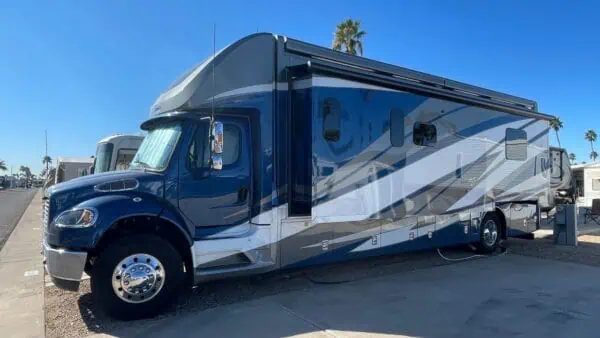
There's usually plenty of storage in the typical Super Class C RV
There’s usually plenty of storage in the typical Super Class C RV

That means that usually you’re going to find more compartments for storage. Especially compared to the typical Class C RV.

And those compartments are also often much larger than a normal Class C has as well.

Super C Pro #3

OK, the next pro is that the larger chassis also can mean a longer RV too.

Now what does that translate into? It means there will often be more living space in a Super C RV. And a lot of people like that!

Now couple that with larger slides too. Because that heavy duty chassis can handle the extra weight.

And when you do, you’ve got a lot of really good living space in many Super C RVs.

Super Class C RV Pro #4

OK, the next pro we’ll consider is the unbelievably huge towing capacity of many Super Class C RVs.

Now a normal Class C RV often has a towing capacity under 10,000 pounds.

But a Super C’s towing capacity often starts at 10,000 pounds. But it can also go up to 20,000 or even 30,000 pounds in some cases. And that is amazing!

Super C Pro #5

So let’s move on to the next pro now. And that has to do with the chassis being able to handle a lot of weight. Much more than the Class C RV.

And because of that, the manufacturer can build in larger water and waste tanks. That’s a big pro for folks who like to boondock camp a lot!

Because it means that they can stay out and camp longer when they are off-road.

And they don’t have to dump waste or refill their water tank nearly as often.

A Big Con For The Super C RV

OK, those are all huge advantages of buying a Super Class C RV. But we have one major con to talk about though.

And that is the cost of a Super C. In fact, it’s usually two to three times as much as a regular Class C RV.

Super Cs typically cost a lot more than Class C RVs

So that does eliminate a lot of folks as potential buyers right there. Because it’s not nearly as affordable as the normal Class C RV.

All right, so those are the pros and cons of each these kinds of RV. Now let’s talk about who would benefit most from choosing either one.

Who Should Buy A Typical Class C RV?

So let’s start with the normal Class C RV first. And I would say that it’s very good for RVers on a budget.

It’s just so much more affordable than most other motorhomes you can buy.

So if you’re on a budget, and you’re trying to get into RVing, the Class C is a good choice.

It’s also good for weekenders and vacation RVers too. Now most normal Class C RVs are actually not really made for full-time living and travel.

But they are great for weekending and vacationing use. Also, it’s a great choice for families with kids, or maybe grandkids.

A Class C RV can be a great choice for families who love to travel and camp

You know, all the family can spend time together while having camping adventures. The typical Class C RV is a great choice for that.

One big reason for that is because of all of the sleeping options you find in many Class Cs.

OK, the next question is who would benefit most from a Super Class C RV instead?

Who Should Buy A Super C Instead?

Honestly, it’s a great choice for full-time RVers or even part-time RVers. People that spend several months traveling and camping in their RV.

A Super Class C RV is a great choice for full-time or part-time RVers

They definitely will benefit from having the extra living space. And the added amenities and luxuries will make their travels a lot nicer.

Also, a Super C is good for those who tow heavy things as they travel.

Remember, we talked about that huge towing capacity earlier in this article.

So if you’ve got a heavy vehicle like a full size pickup truck, a Super C can often handle that easily. If you plan on towing it behind you.

However, I also see a lot of Super C owners towing a large trailer with very heavy things in it too.

And in that case, a Super C RV can be a great choice for that. Especially if you buy the ones that have a high towing capacity.

The final point that needs to be made about Super C RVs is it’s also a great choice for those who can simply afford them.

Now the good news is, even though they cost much more than a normal Class C, they’re usually less than many diesel pusher Class A motorhomes.

So if you look at it that way, the Super C RV can actually be the budget choice for those who can’t afford higher cost diesel pushers.

Which Class C or Super C Should You Buy?

Many RV buyers aren’t sure which brands they should focus on when buying a new RV.

So I have created a guidebook that helps you make an informed choice when you buy.

It’s specifically made for both Super C buyers and Class C buyers. And it contains my full recommended list of brands and models to choose from.

Using the guidebook you can make sure that you are buying an RV that is made with better than average build quality.

And that means that your RV should last longer and give you less trouble than the poorer quality brands tend to make.

Just click on the image below to download my guide for Class C and Super C RVs.
And you will also get my personal assistance in the buying process if you want it when you download any of my online guidebooks.

And if you are looking for either a Class C or Super C RV on the used market, you can download my guidebook for that too.

Just click on the image below to get my recommended list of used Class C and Super C brands and models.
Conclusion

Now there’s one more thing I want to mention here. Something that you don’t want forget whenever you buy either a new or a used RV.

And that is to make sure you get an RV inspection before you buy it. Also, it’s best to hire a certified NRVIA inspector to perform the inspection too.

That way you make sure that you know the condition the RV is in before you buy it and take ownership of it.

OK, my final point is this. There’s lots of RVers out there using either one of these kinds of RVs.

And lots of them are really happy with the choice that they made. That is true of both Class C owners and Super Class C RV owners.

So my recommendation is just decide which of the pros that I covered in this video will fit your situation best.

Then make the decision you think is best for you and the way you plan to travel and camp. After that, just go out and enjoy your motorhome!

Have safe and happy RV travels!
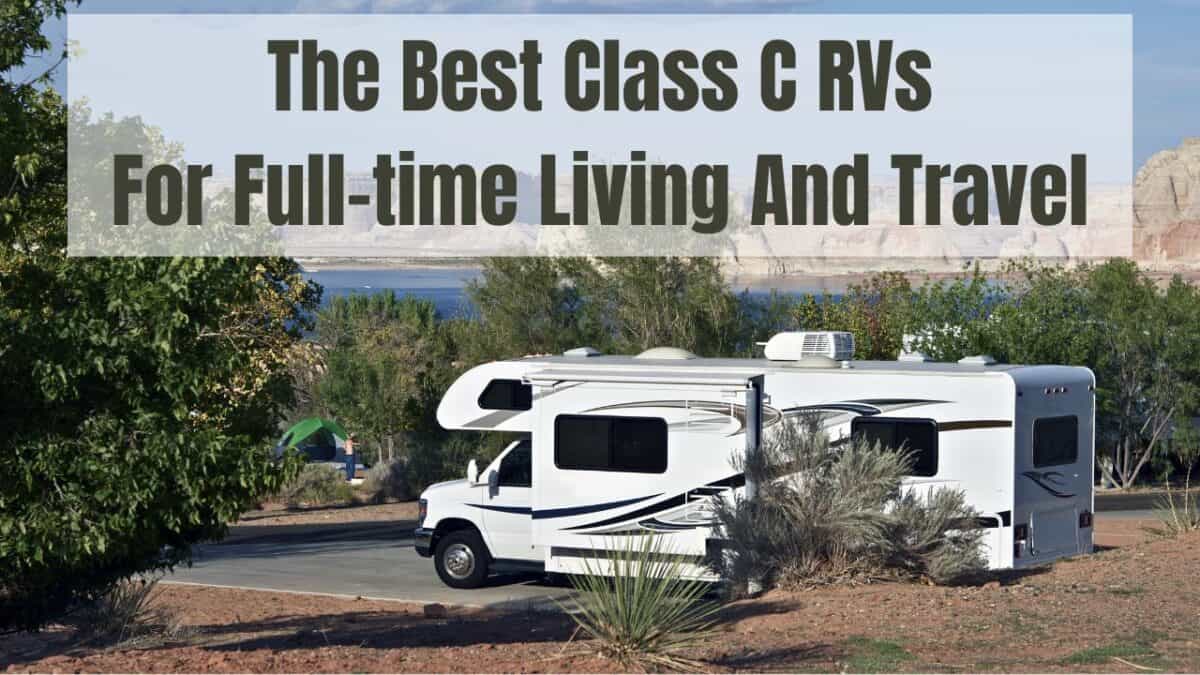
What’s The Best Class C RV For Full Time Living?

This article is about the best Class C RV for full time living. For both travel and camping.

And full time RVing is going to require a better than average RV to be a success.

Why? It’s because they need to be able to handle the extra stress that every day full time living in them is going to bring.

Watch my video on the best Class C RVs for full time living

Table of Contents

Class A Or Class C For Full Time RVing?

Now a lot of full time RVers choose Class A motorhomes. Because they like the extra living space and storage capability.

And you can find plenty of all of that in the larger Class A diesel pushers.

Class A RVs are popular choices for full time living

But what if you have decided that you don’t want an RV that big or that expensive?

Or what if you want to actually downsize from a larger RV? But you still want to continue as a full time RVer?

In that case, a good choice could be a Class C motorhome instead. And you’ll want to know how to find the best Class C RV for full time living.

So let’s talk about some of the advantages that Class C motorhomes bring to the table.

A Big Advantage Of Class C RVs

And the first one we’ll talk about is that they’re generally shorter than most class A RVs.

Class C RVs can also be a great choice for full time living

Also, smaller motorhomes can often fit into more campsites to begin with. So you can get them in and out a lot easier.

By the way, this includes sites for boondocking too. Because Class C RVs are often much shorter in length than many larger Class A RVs.

And being shorter, it’s often easier to get them in and out of boondocking spots pretty easily.

What About The Engine And Drivetrain?

OK, our next point on the list is that class C RVs usually have a gasoline engine.

And that means that the drivetrain of the RV is much less expensive to work on and to repair.

Especially compared to the large diesel engines often found in Class A motorhomes.

That’s because the engine is right out there up front in the RV. It’s not hidden in the back under the bedroom floor like many diesel pushers.

And that means you’re probably going to find a lot more facilities that can work on a Class C motorhome.

Because many diesel shops just don’t want the hassle of working on diesel pusher RVs.

Of course, suppose you’re handy with tools and you’re kind of a “vehicle fix it” guy.

Well in that case, maybe you could actually do a lot of the work yourself.

Because you’re already used to working on gas powered vehicles. If so, that’s a big advantage for choosing a Class C RV.

More Advantages The Best Class C For Full Time Living Will Have

The next advantage of Class C motorhomes is that very often the fuel mileage is a little better than Class A RVs.

Now I’m not saying that it’s a lot better. But it is a little better, and every little bit helps, right?

OK, the next advantage is something that many RVers comment on after driving a Class C.

And that is that they feel that driving a Class C is just easier than a larger bus like a Class A.

Many say that they feel the Class C is more nimble overall. Meaning that they can kind of get in and out of traffic and tight situations easier.

Especially when compared with the larger and bulkier Class A diesel pushers.

And here’s another advantage that is really the big one for Class C motorhomes.

And that is they’re usually much less expensive than Class A diesel pushers. That’s huge for a lot of RV buyers!

An Important Point About Using Class C RVs For Full Time RVing

OK, now let’s talk about the RV brands that make Class C RVs. Especially those that are good enough for full time use.

And here is where I have to be very honest about something you should know.

That is that most Class C RVs are actually just made for weekend RVers.

Or for those that like to use their RV only on vacations throughout the year.

So not many normal Class C RVs actually can be recommended for full time RVing.

In fact, a normal Class C will often just break down much faster and quicker. And also more often as well if you use them on a full time basis.

The reason for that is full time RVing puts more stress on the RV than it was designed to handle.

However there are a few brands that can be recommended though.

Because they make products that could be considered for full time RVing. So let’s talk about a couple of those brands now.

And these are the ones that you should be thinking about if you’re planning on more of a full time travel experience.

The Best Class C RV For Full Time Living – Brand #1

OK, the first brand we’ll cover here is Winnebago. And Winnebago has been making motorhomes since 1966.

So they’re coming up on 60 years of building motorhomes. As a result, I think they’ve got a pretty good handle on what they’re doing at this point.

And they have an excellent reputation in general among both dealers and RVers.

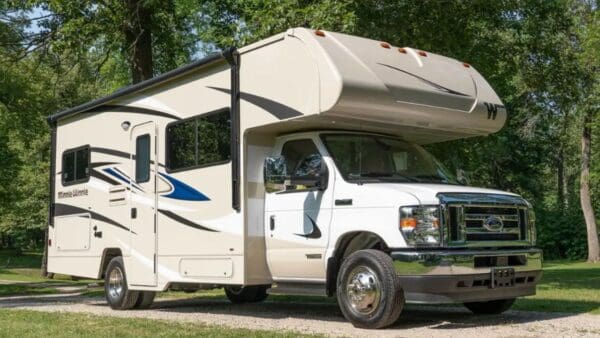
So the model I’m going to recommend today from Winnebago is the Minnie Winnie. And it’s kind of a real icon in the RV industry.

The Winnebago Minnie Winnie can be the best Class C RV for full time living for you

You’ll find it in links up to 32 feet. And there’s six floor plans to choose from. So there’s a lot of variation in layout choices.

And as of the time this article is written, the price starts somewhere around $146,000 MSRP. That’s of course for a brand new one.

But if you buy on the used market you probably can save a lot more money on that.

The Best Class C RV For Full Time Living – Brand #2

Now let’s move on to our second brand to consider for full time RVing. And that is Entegra.

I feel that Entegra is really on a roll these days. Because they make some of the best Class A RVs out there.

And they bring that same attention to quality to their Class C products as well.

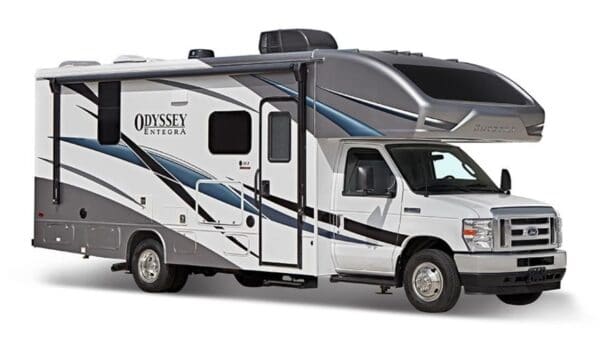
So the model that I feel that I can recommend for full time RVing is the Odyssey. And it comes in lengths up to 32 feet.

The Entegra Odyssey can also be the best Class C RV for full time living for your needs

Also, there’s seven floor plans to choose from. And that’s a pretty good range for most RV buyers.

When it comes to cost, they start around $159,000 MSRP brand new. And once again. if you buy a used one you can save quite a bit of money.

Now both of these brands, Winnebago and Entegra, make class C RVs that you could consider for full time RVing.

And they will both cost a lot less than most diesel pusher motorhomes too.

Another Kind Of Class C RV You Should Also Consider

But I’m going to give you one more thing to think about. And that is that there is a better choice for full time RVing in the general Class C category.

And that is to choose a Super C RV instead. Because Super C RVs are just generally more rugged overall.

Of course, they will have a diesel engine. But the engine’s right out front and so it’s much easier to work on than a typical diesel pusher RV.

And generally, they’re built with a little better quality than most normal Class C RVs.

Super C RVs are usually built with better overall quality

So they can often stand up to the stresses of full time living better than the typical Class C RV.

With that in mind, here is a brand and a model that I think you should consider. Especially for full time RV living and travel.

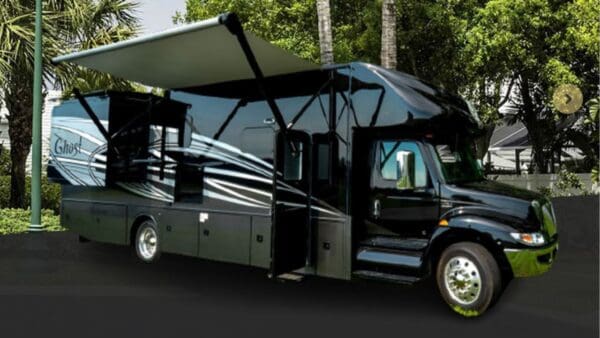
And the good news is that it’s also affordable. Meaning that it won’t break the bank either. And that is the Nexus Ghost.

The Nexus Ghost could also be the best Class C RV for full time living for your needs

Now the Ghost comes in lengths up to 37 Feet. And it has four floor plans. So there’s not quite as many options in layout for it.

Also, the cost starts at right around $250,000 MSRP brand new. And yes, that’s more than the Class C’s that I covered earlier.

However, it’s still a lot less than most diesel pusher RVs on the new market. So it’s a good in-between choice for full time RVers.

The Best Class C For Full Time Living – Other Brands

Now if you have a bigger budget, there are even more full time capable RVs that can be found in the Super C category.

Of course, you may be wondering whether that is all the RVs that could be used for full time travel in the Class C category?

And the answer is that actually there’s lots more to consider for that kind of RVing.

So I have a full list of recommended brands and models that you could take a look at. Both for Class C and Super C RVs.

And I made a guidebook on which brands are the best ones to buy if you want a quality motorhome.

If that sounds like something you could use, just click on the image below to check it out.

Click on this image to download my Class C and Super C buying guide

Then you can take a look and decide whether the guidebook is something you want to download or not.

Conclusion

But let me finish by reminding you of something that’s very important for RV buyers to do.

And that is to be sure that you get any new or used motorhome that you want to buy inspected thoroughly before you buy it.

And I recommend that you hire a certified NRVIA inspector to do that before you complete the purchase.

Hire a certified NRVIA inspector before you buy any RV

You can find a certified RV inspector that is in your local area by clicking here now.

And one more piece of advice. Don’t take delivery of that RV until everything the inspector found has been fixed to your satisfaction.

If you’ll follow that one piece of advice, you can avoid much of the frustration and irritation that many RV buyers complain about.

And you’ll have a great Class C or Super C motorhome. One that will take you on lots of fun adventures for many years to come.

Have safe and happy RV travels!
4 Season RVs – What Are They And Who Makes Them?

This article is going to be about 4 season RVs. And what it means when an RV is 4 season capable.

Of course, it’s common to find RVs that are labeled just that way, as “four season ready”. But what does that term even mean?

Watch my video on 4 season RVs

Well before I cover what it means, let me tell you what it doesn’t mean first.

What The Term “4 Season RV” Doesn’t Mean

It doesn’t mean that particular RV can withstand pretty much anything nature has to throw at it. Or the most extreme temperatures possible.

Actually four season RV is mainly just a marketing term. And these days RV marketing is kind of like the wild west, in that almost anything goes.

The 4 season RV sticker often mainly just for marketing RVs

So there’s lots of hype out there that’s often not very reliable. Or that exaggerates the truth.

And truthfully, there’s no set standard for what 4 season RVs actually are in the industry.

So because of that, some RV brands just claim almost anything in this area.

But here’s the truth. RVs are not made to handle the extremes of summer and winter temperatures, no matter where you go.

Are RVs Insulated Like Houses?

No, they’re not made for extreme weather like houses or regular homes are.

For instance, RV walls are thinner. And there’s less insulation in general than you would find throughout a stationary home.

Comparing homes with RVs

Also, a house has a solid foundation. So there’s no air traveling up underneath it like you find in an RV.

And we could go on and on about the differences between RVs and home construction.

But then we get back to the question, what does “4 season RV” actually mean? Especially in real world application in the RV industry.

What Does “4 Season RVs” Actually Mean?

Well, here’s what I think. To me, it should mean it should mean that 4 season RVs can simply handle more extreme conditions better than most other RVs.

Now of course, as long as you have a good air conditioner in your RV, summer should not be nearly the kind of challenge that winter is.

Because winter camping can not only be uncomfortable in an RV. Meaning that you just find it difficult to stay warm.

No, actually there is more to consider when that happens. More serious consequences that can happen in extreme cold weather.

And the truth is that when temperatures drop below freezing for an extended period, it can also damage the plumbing inside your RV.

This is not just about comfort then. It also can mean that real damage to your RV can take place.

So what should you look for then in four season RVs? Well let’s talk about that now.

Feature #1 Found In 4 Season RVs

And the first thing that I encourage you to look for in a true four season RV is a better “R factor” of insulation.

Now having said that, I encourage you to be careful in this area. So beware of some of the claims made by RV factories and manufacturers.

Because there are some that just put a thin piece of material in the walls, and claim that the R factor has been increased dramatically.

As if there has been a significant increase in insulation by using that “magic” material. But it’s just not true, it’s bogus!

There is no such magic material in existence. Where taking a thin sheet of it transforms the R factor into much better insulation.

And what I encourage you to do is not only find out what the R factor is in the walls.

But also check on the insulation they have used in the ceilings, floors, and slides as well.

And ask them what makes this RV so much better insulated? How have you increased the insulation’s R factor in these places?

Then listen for the answer. And if they tell you about some magic thin sheet of material, you will know that this is not a true four season RV.

In other words, what you want to know is what makes this RV better insulated?

And then listen for an answer that actually makes sense. One that is reasonable.

Feature #2 For Four Season Capability

Now here’s the second point for determining whether an RV is four season or not.

And that is, does it have double pane windows? This is an important consideration because most RVs have single pane windows.

Double pane windows are important for true 4 season capability

RV manufacturers put single pane windows in most RVs just to keep the price as low as possible.

But what happens when a window with two panes that has a pocket of air sealed in between is used? Well, that’s a much better insulated window!

Now if you spend time in RVs with single pane windows, you will learn why they need to be upgraded. Especially for use in all four seasons.

Because with single pane windows, you can easily have a temperature transfer from inside the RV out, and from outside the RV in.

So double pane windows are very good to have to keep the temperature more constant in an RV.

Also as a side point, they help reduce condensation on RV windows as well.

Feature #3 That Helps In Extreme Cold Weather

OK, the third point to consider is to look for sealed underbellies in 4 season RVs.

In other words, you shouldn’t be able to go under that RV and see exposed pipes.

You know, water and plumbing pipes that are exposed to outside weather. That’s really not good!

The last thing you want in extreme cold weather is frozen pipes in your RV

Instead, you want a sealed and insulated RV underbelly. But a true 4 season RV will go one step further.

It will often have a dedicated heating vent for the underbelly. One that allows hot air from the furnace to get down into the underbelly.

And that will help keep all the plumbing in that area from freezing in very cold weather.

Feature #4 – What About The RV Waste And Water Tanks?

Now our next point to consider for four season RVs has to do with the fresh and wastewater tanks.

Because you really don’t want these to freeze in extreme weather. They will be a mess if that happens, and it will be expensive to repair.

So RV manufacturers often put tank heaters on the waste and water tanks to keep them warm.

Then all you have to do is just press a button inside the RV to turn those heaters on. It’s a simple feature that really helps in extreme cold!

Feature #5 In Four Season RVs

OK, here’s the last point we want to talk about to identify a true four season RV.

And that is to look for both a higher output furnace and air conditioner.

That means that they shouldn’t just be the normal kind of units that are put in most RVs.

Instead, you want a higher output to keep things comfortable inside the RV. And by the way, ducted systems are the best for overall comfort.

OK, so those are the things that you should look for when you’re looking for true 4 season RVs.

Another Important Idea For Stationary Camping In Cold Weather

Now let me give you another point though to consider. Especially if it’s wintertime and you’re camping in one place for a while.

In that case, I encourage you to consider putting skirting around your RV too.

Skirting can be a huge help in extreme weather

And skirting is simply a piece of material that goes from the bottom of the RV all the way down to the ground.

It just seals off that bottom area so no wind is passing through under the RV. And believe me, it will make a real difference inside the RV!

Now I’ve made a video about some four season brands of travel trailers.

And these are RV brands and models that I can recommend for your consideration.

Just click on the image below to watch that video now.

Watch my video on 4 season travel trailers

Or you can read this article about it instead.

How To Protect Your Water Source In Extreme Cold

Now here’s one last tip that I want to give you even if your RV is a four season RV.

And that is you need to protect the water source that comes into that RV during sub-freezing temperatures.

Many people handle that by wrapping the hose outside with heat tape. Or they use a specially designed heated water hose like you see at this link.

And of course, that can work fine. But you may not want to go to that kind of effort if you are rarely in extreme weather with your RV.

So in that case, there is a simple thing you can do when sub-freezing temperatures happen.

You can fill your fresh water tank first. Then disconnect the water hose that feeds water to your RV altogether.

You can store it in the meantime until you need to put more water in the fresh water tank.

It’s a strategy you can use at times just to be safe in really cold weather.

And to prevent any ice from coming into your RV through a frozen water hose.

Conclusion

Well I hope that now that you know more about what makes an RV a true 4 season RV.

And knowing this information means that you don’t have to just trust the salesperson on the subject.

Or even an RV factory’s brochure, or a sticker on the outside of the RV.

Instead, hopefully now you can verify for yourself whether it really is a four season RV or not.

Have safe and happy RV travels!

Get My FREE Camping Guide

“The Top 5 Ways To Save Money On Campground Costs”

Get My Newsletter

Save on RV repairs

Get the best RV gear

Learn about RV life

RV tips and tricks

And get my free guide – The Top 5 Ways To Save Money On Campground Costs”