What makes a travel trailer suitable for four season camping? Look beyond the badge on the side of the RV.
Compare the insulation, plumbing protection, windows, and heating equipment on the exact model and model year you plan to buy.
In this guide I explain what to inspect and why each feature matters. I also share five brands I would put on a shopping list, while showing you the questions to ask before trusting any trailer in freezing weather.
“Four season” does not represent one uniform RV industry specification. A trailer that is comfortable on a cool night may need more preparation for sustained freezing temperatures, especially if water is in its lines or tanks.

What does four season capability really mean?
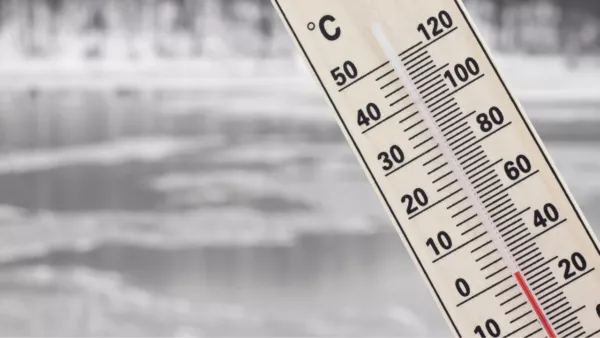
Summer heat tests air conditioning and shade, while winter cold can affect both comfort and the water system. Pipes, pumps, valves, and tanks can freeze even when the main living area feels warm.
Start with the coldest weather you actually expect to camp in, the length of your stays, and whether you will have reliable electrical hookups. Then compare those needs with the equipment on a specific trailer, rather than relying on a general brand claim.
1. Check insulation in the whole trailer
Ask for the insulation details in the roof, walls, and floor. A wall R-value alone does not describe the whole RV, and gaps around slides, doors, and service openings can affect comfort.

Manufacturers may use fiberglass, rigid foam, or other materials. The type of insulation matters less to your buying decision than how and where the trailer is insulated and whether the assembly is in good condition.
On a used trailer, look for signs of moisture or previous repairs before treating a specification sheet as proof of performance. An insulation claim cannot make up for a leak, damaged seal, or poorly maintained unit.
2. Trace the water system and underbelly
A covered underbelly can shield plumbing and tanks from wind, but an enclosed space is not automatically heated. Ask where the fresh water lines, pump, water heater, and waste tanks sit, and how each is protected.
Some trailers direct furnace heat into the underbelly or offer electric tank heater pads. Find out which features are installed on the trailer you are buying, what powers them, and whether they protect every vulnerable component.
Even a heated underbelly needs a plan if the furnace stops, electrical power is lost, or the trailer sits unused. Ask how the manufacturer recommends using and winterizing that model in cold weather.
3. Consider windows and air leaks
Dual pane windows may help comfort and reduce condensation, but they do not turn a poorly insulated trailer into a winter camper. Check the windows, frames, door seals, and slide seals on the actual unit.
If a trailer has single pane windows, consider how much cold weather camping you intend to do and what other protection it offers. Window type is one part of the decision, alongside the roof, floor, plumbing, and heating system.
4. Match heating and cooling to your plans
Look at the furnace and air conditioner installed in the specific floor plan. Ask where warm air is delivered, including whether any heat reaches the plumbing area.
A larger advertised BTU number is not a guarantee of comfort if heat distribution, insulation, or air sealing is weak. Check how the system works in the actual trailer and whether its power needs fit the way you camp.
Cold weather equipment can add cost and weight. Compare the trailer’s loaded weight with your tow vehicle’s limits before treating an upgraded package as an automatic improvement.
Questions to ask before you buy
- What insulation is specified for the roof, walls, floor, and slides on this model year?
- Where are the fresh water lines, pump, valves, and waste tanks located, and what protects each of them?
- Is the underbelly enclosed, heated, or both? Which equipment needs shore power or battery power?
- Which cold weather features are standard, which are optional, and which were actually installed on this trailer?
- Can you inspect for leaks, damaged seals, and prior plumbing repairs before purchase?
Ask for the build sheet or equipment list for the individual trailer, then compare it with what you can see during an inspection. If you are buying used, do not assume a package advertised today was fitted to an earlier model year.
Five brands I would investigate
These brands are a starting point based on my experience and opinions about RV construction. No brand makes every model equally suited to winter camping, so use the checklist above for any trailer that interests you.
Oliver: look closely at the Legacy Elite II
Oliver is one brand I would put on the list, particularly the Legacy Elite II. I discuss my broader view of the brand in my Oliver travel trailer review.
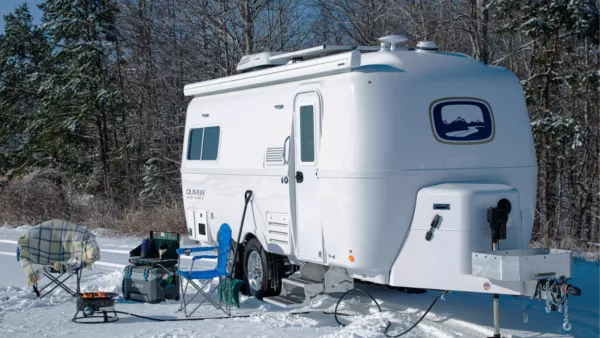
Ask Oliver for the current cold weather specifications and compare them with your planned use. If you are shopping for a used one, verify the equipment and condition of that particular trailer.
Northwood and Outdoors RV: compare models
Northwood and Outdoors RV are two more brands I would investigate. I group them here because they have a related approach to building trailers, but their models and features still need to be compared individually.
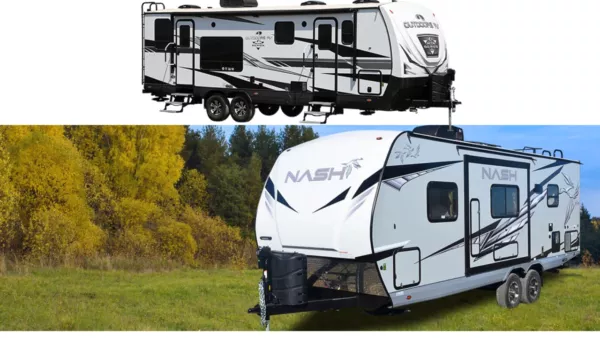
Ask how each floor plan protects its water system and what insulation and heating features are included. Check the build sheet instead of treating the brand name as the answer.
Lance: verify the installed options
Lance is another brand worth considering in this search. Cold weather packages and option names can vary, so confirm what was offered on the model year you want and what is installed on the trailer in front of you.
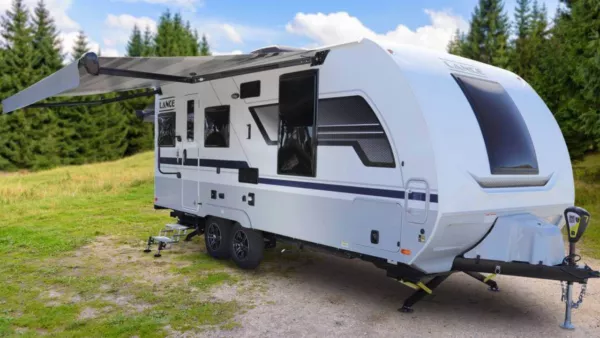
Pay special attention to the underbelly, plumbing, windows, and heat distribution. A seller’s description of a trailer as “four season” should lead to more specific questions, not end the inspection.
Grand Design: check the Reflection travel trailer
I would also look at the Grand Design Reflection travel trailer. Grand Design has offered cold weather features, but the exact package and components depend on the year and model.
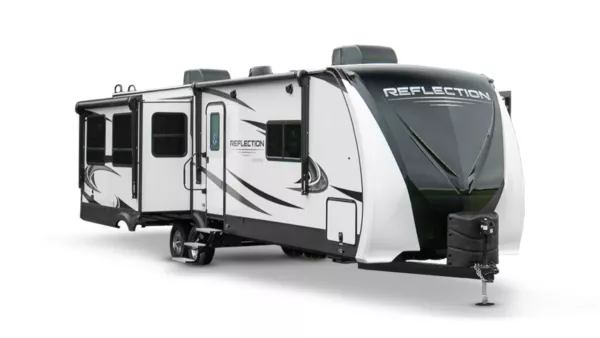
Compare the unit’s installed equipment with the questions above and inspect its condition. A package name cannot tell you whether every water line is protected or whether a used trailer has developed leaks.
How I would make the final choice
Start with the climate and camping style you expect, then narrow the list to trailers that meet those needs on paper. Inspect the actual trailer and verify its options before deciding which brand or floor plan is best for you.
You can use my new travel trailer brands guide for more shopping ideas. Use the same four season checklist for every model on your shortlist.
If you are considering a used unit, see my article on buying used travel trailers and my used travel trailer brands guide.
The best four season trailer is the one whose actual construction, equipment, and condition match the weather you plan to face. Keep the water system and power requirements at the center of that decision.
Safe and happy travels, my friends!
I do appreciate your article on travel trailers. As I was looking to buy one in the next week or so. And now I’ll consider the five brands that you have posted.
I’m glad this article was helpful Mario. And I hope you find the perfect travel trailer for your needs!