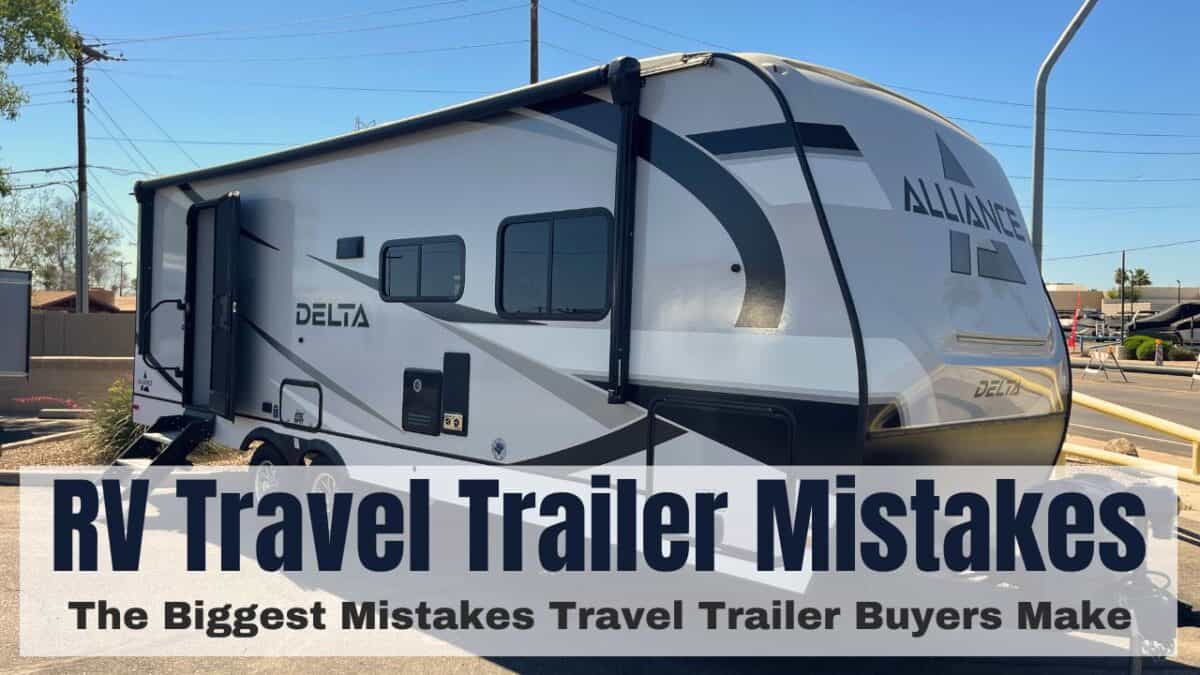
This article is about the 3 biggest travel trailer buying mistakes that I see all the time as a certified RV inspector.
Of course, for many people, a travel trailer is the gateway into the RV lifestyle. They’re usually the least expensive type of RV to purchase, they can be towed by a wide variety of vehicles, and they offer an affordable way to start exploring the country.
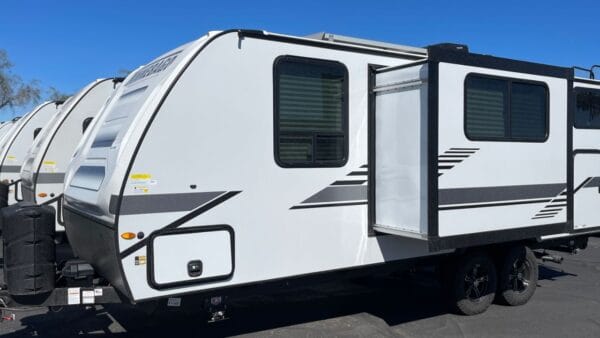
Unfortunately, that’s also why many first-time buyers end up making expensive mistakes.
After inspecting hundreds of RVs over the years, I’ve seen the same problems appear again and again. The good news is that nearly all of them can be avoided if you know what to look for before you buy.
Let’s look at the three biggest travel trailer buying mistakes RV shoppers make—and, more importantly, how you can avoid them.
Quick Answer
The three biggest travel trailer buying mistakes that shoppers make are:
- Buying a trailer that exceeds their tow vehicle’s capabilities.
- Purchasing a poor-quality RV that doesn’t fit their camping style.
- Skipping a professional RV inspection before taking ownership.
Avoiding these three mistakes can save you thousands of dollars and countless hours of frustration.
Table of Contents
- Quick Answer
- Mistake #1: Buying More Trailer Than Your Tow Vehicle Can Handle
- Mistake #2: Buying The Wrong Travel Trailer
- Mistake #3: Skipping The RV Inspection
- Frequently Asked Questions
- Final Thoughts
Mistake #1: Buying More Trailer Than Your Tow Vehicle Can Handle
Perhaps the most common—and potentially dangerous—mistake is choosing a travel trailer that’s simply too much for the tow vehicle.
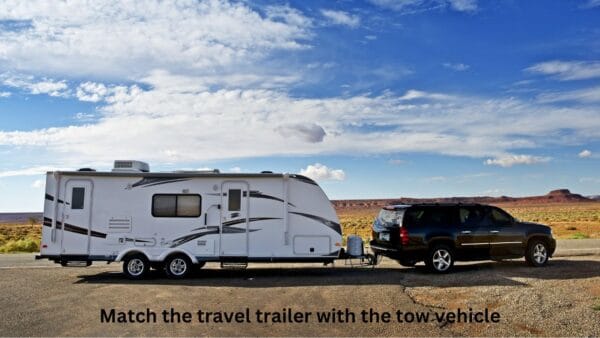
If you’ve spent much time on the highway, you’ve probably seen it yourself. The rear of the truck is sagging, the trailer appears to be pushing the tow vehicle around, and the entire combination just doesn’t look stable.
Unfortunately, that’s usually because it isn’t.
Why Does This Happen?
In many cases, buyers are simply getting bad advice.
Sometimes it comes from a salesperson eager to make a sale.
“Sure, your truck can tow it.”
Sometimes it comes from a well-meaning friend who has limited towing experience.
Neither opinion is nearly as valuable as knowing the actual weight ratings.
Learn The Weight Ratings
The problem isn’t that weight ratings are difficult—they really aren’t.

In fact, there are only a handful of numbers you need to understand, including:
- GVWR
- GCWR
- Payload capacity
- Tongue weight
- Tow rating
Once you understand how those numbers work together, matching a tow vehicle to a travel trailer becomes much easier.
Don’t Guess—Weigh Your RV
Even after you’ve purchased your trailer, your job isn’t finished.
Many owners continue loading camping gear until every cabinet and storage compartment is full, assuming that if everything fits, everything must be fine.
Unfortunately, that’s simply not true.
A travel trailer can exceed its weight rating long before it runs out of storage space.
That’s why it’s a smart idea to visit a CAT Scale or another certified public scale after loading your trailer for a trip. The cost is minimal, but the information you receive is invaluable.

The Cost Of Getting It Wrong
An overloaded towing combination can create several problems:
- Poor handling
- Longer stopping distances
- Increased sway
- Premature wear on the tow vehicle
- Transmission damage
- Suspension damage
- Tire failures
More importantly, it creates unnecessary safety risks for you and everyone else sharing the road.
Mistake #2: Buying The Wrong Travel Trailer
Once buyers feel confident about towing, they often make another costly mistake.
They buy the wrong RV.
Not necessarily the wrong floorplan—but the wrong travel trailer.
The Dealer Experience
Many buyers visit a dealership before they’ve done much research.
As soon as they arrive, a salesperson begins showing them various models.
While many salespeople are honest and helpful, it’s important to remember that their job is selling RVs—not necessarily helping you find the best RV for your unique needs.

Without realizing it, buyers often end up looking at trailers the dealership wants to sell rather than the ones that truly fit their lifestyle.
Looking At The Wrong Priorities
There’s nothing wrong with considering:
- Floorplans
- Furniture
- Interior colors
- Décor
- Appliances
- Entertainment features
Those things certainly matter.
The mistake happens when those features become more important than build quality.
A beautiful travel trailer that spends months in the repair shop isn’t much of a bargain.
Brand Quality Matters
One misconception I hear regularly is that “all RV brands are basically the same.”
They’re not.
Some manufacturers consistently build better products than others.
Learning which brands have earned a reputation for better construction can dramatically improve your buying experience.
Be Careful With Social Media Advice
Unfortunately, many buyers turn to Facebook groups and online forums for guidance.
While social media can sometimes provide helpful information, it can also become an echo chamber of misinformation.

You’ll often find:
- Contradictory advice
- Emotional opinions
- Brand loyalty battles
- Isolated horror stories
- Recommendations based on very limited experience
Rather than relying solely on social media, spend time learning from experienced inspectors, technicians, and educational resources.
Full-Time Living Requires A Different Kind Of Trailer
This is another mistake I see regularly.
Some buyers plan to live in their travel trailer full-time but purchase an inexpensive entry-level model designed for occasional weekend camping.
That rarely ends well.
Most entry-level travel trailers simply weren’t designed for the continuous use that full-time living demands.
If full-time RVing is your goal, invest in a trailer built to withstand that lifestyle.
Mistake #3: Skipping The RV Inspection
Finally, there’s one mistake that can turn an exciting purchase into months of frustration.
Skipping the professional RV inspection. In fact, this is one of the most common of the biggest travel trailer buying mistakes that is made.
Unfortunately, this happens far too often.
What Usually Happens
The typical buying process looks something like this:
The buyer purchases the RV.
They take it camping.
Problems begin appearing almost immediately.
They return to the dealership.
The repairs take weeks—or sometimes months.
Before long, the excitement of owning an RV has been replaced by disappointment.
Why An RV Inspection Matters
A certified RV inspector can discover many of these issues before you ever take possession of the RV.
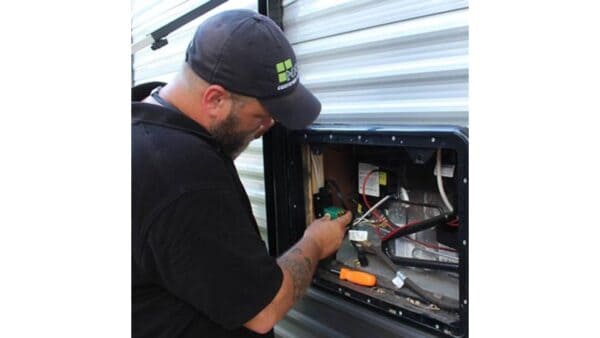
That gives you the opportunity to have repairs completed while the RV is still the dealer’s responsibility.
Instead of discovering problems on your first camping trip, you can begin enjoying your RV with much greater confidence.
“I Can’t Afford An Inspection”
I occasionally hear buyers say they simply can’t afford an RV inspection.
My response is straightforward.
If an RV inspection stretches the budget beyond its limit, then the RV itself may already be beyond that budget.
Compared to the purchase price of a travel trailer—and the cost of unexpected repairs—a professional inspection is one of the best investments you can make.

Travel trailers are also among the least expensive RVs to inspect, making the value even greater.
Frequently Asked Questions
What is the biggest mistake first-time travel trailer buyers make?
The most common mistake is buying a trailer that’s too heavy for their tow vehicle because they don’t fully understand towing weight ratings.
Should I trust the tow rating published by my truck manufacturer?
It’s a good starting point, but you also need to consider payload capacity, tongue weight, passengers, cargo, and the loaded weight of the trailer.
Is a professional RV inspection really worth it?
Absolutely. A certified RV inspection can uncover expensive problems before you finalize the purchase and may save you thousands of dollars in repairs.
Can I rely on social media when choosing an RV brand?
Social media can provide useful experiences, but it should never be your only source of information. Opinions often conflict, and many recommendations are based on limited experience.
Are travel trailers good for full-time living?
Some are, but many entry-level travel trailers are designed primarily for weekend camping and vacations. If you plan to live in your RV full-time, choose a model specifically built for extended use.
Final Thoughts
Buying a travel trailer should be exciting—not stressful.
Fortunately, avoiding the biggest mistakes isn’t complicated. Learn how towing weights work, choose a travel trailer based on quality instead of appearance alone, and never skip the professional inspection.
Those three steps alone can dramatically improve your chances of buying a travel trailer you’ll enjoy for years instead of one that spends far too much time in the repair shop.
Safe and happy travels, my friends.