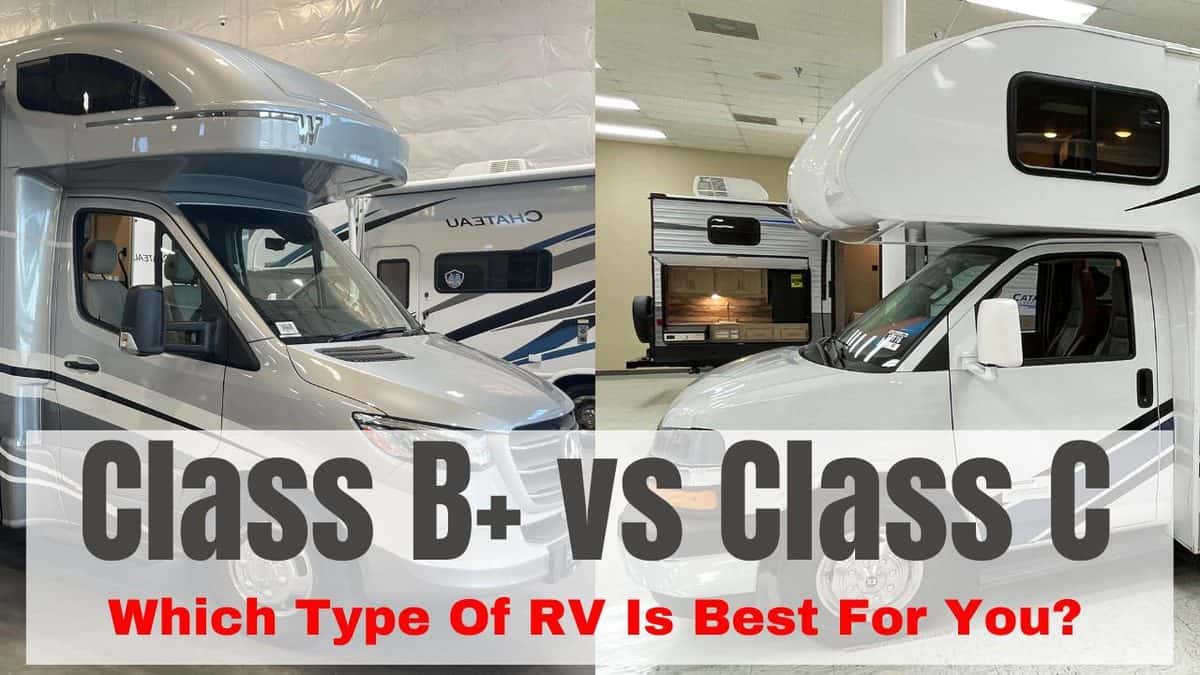
In the Class B+ vs Class C RV comparison – what’s the difference anyway?
If you are shopping for a smaller motorhome, you may be confused about the difference between a Class B+ and a traditional Class C RV.
That confusion is understandable because Class B+ is not an official RV classification. It is mainly a marketing term used to describe a motorhome that falls somewhere between a Class B camper van and a traditional Class C.
Some manufacturers and dealers may call the same RV a Class B+, a compact Class C, or a small Class C. But regardless of what they call it, these RVs have some important differences from traditional Class C motorhomes.
So let’s compare the advantages and disadvantages of Class B+ and Class C RVs to help you decide which one fits your travel and camping style best.
Quick Answer: Should You Buy a Class B+ or Class C RV?
A Class B+ is usually the better choice for couples and solo travelers who want a smaller, more maneuverable motorhome that can be used around town without towing another vehicle.
A traditional Class C is usually better for families, RVers who need more sleeping capacity, and anyone who wants a larger living area, more storage, a roomier kitchen, and greater tank capacity.
However, a Class B+ can cost considerably more than a traditional Class C. So your budget, space requirements, travel habits, and comfort expectations should all be part of the decision.
What Is a Class B RV?
Before making the Class B+ vs Class C RV comparison, it helps to understand how each type of RV is constructed.
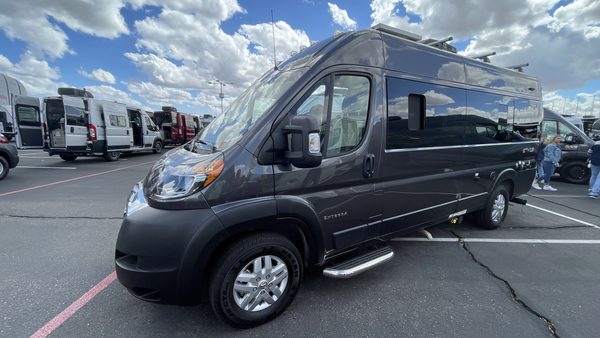
A Class B RV begins as a van. The RV manufacturer purchases the van with its original body intact and builds the entire RV inside the factory-produced metal shell.
Because the manufacturer must work within the van’s existing walls, the interior space is limited. Class B manufacturers have become very creative about using that space, but they cannot make the van significantly wider.
Class B RVs are usually easy to drive and park, and many owners use them as both an RV and an everyday vehicle. They also generally provide better fuel economy than larger motorhomes.
However, the tradeoff is limited living space, smaller holding tanks, less storage, and compact kitchens and bathrooms.
If you would like a broader comparison of camper vans and Class C motorhomes, you can also read my article about the pros and cons of Class B versus Class C RVs.
What Is a Class B+ RV?
A Class B+ is built differently from a Class B camper van.
The RV manufacturer purchases a van-style cab and chassis, but the original van body does not extend behind the cab. Instead, the RV manufacturer builds a separate motorhome body, or house, on the chassis.
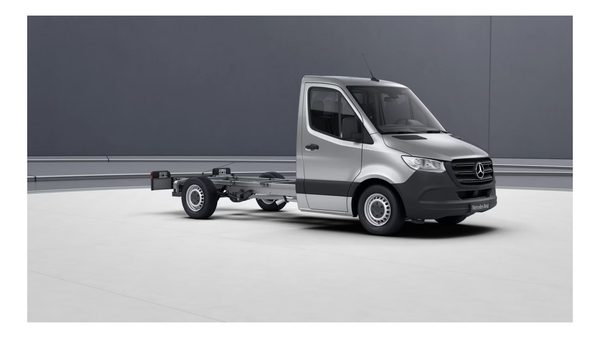
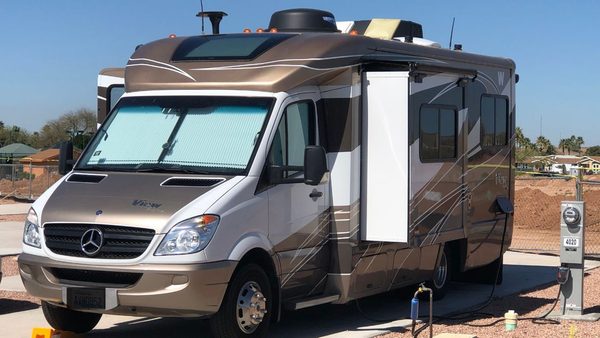
This allows the manufacturer to build the RV wider, taller, and sometimes longer than a traditional Class B van. As a result, a Class B+ usually provides more living space, storage, and comfort.
Class B+ motorhomes often eliminate the large cab-over sleeping bunk associated with a traditional Class C. Instead, they may have a streamlined front cap with storage, entertainment equipment, or cabinets above the cab.
You can learn more about this category in my complete discussion of the pros and cons of owning a Class B+ RV.
What Is a Traditional Class C RV?
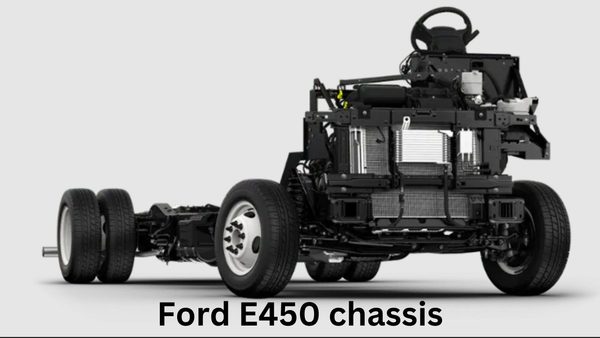
A traditional Class C is built on a cutaway truck or van chassis.

The chassis manufacturer supplies the engine, drivetrain, front cab, frame, and related mechanical equipment. The RV manufacturer then builds the motorhome body behind and above the cab.
Many Class C motorhomes are built on Ford E-Series chassis, although other platforms are also available.
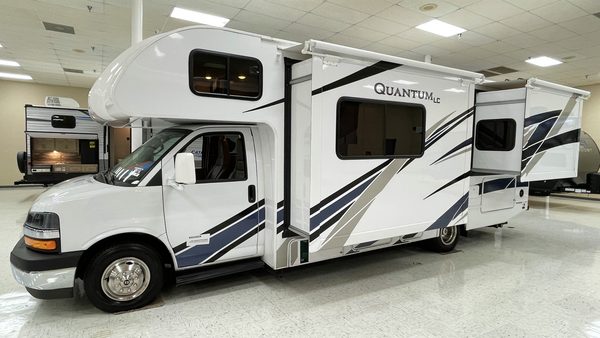
One of the most recognizable Class C features is the large area extending over the cab. This space is often used as a bed, although some manufacturers replace the bed with storage or an entertainment center.
Traditional Class C motorhomes are usually wider and longer than Class B+ models. They are commonly designed for families and may include several beds, one or more slideouts, larger kitchens, and more substantial storage areas.
The Advantages of a Class B+ RV
Class B+ motorhomes combine some of the maneuverability of a camper van with more of the comfort found in a larger motorhome.
Here are their most important advantages.
Class B+ RVs Are Easier to Drive
A Class B+ is generally smaller and more nimble than a traditional Class C.
This can make it easier to move through traffic, change lanes, enter fuel stations, and travel through busy towns. It may also fit into parking spaces that would be difficult or impossible for a larger motorhome.
That can be a major advantage for newer RVers who are not yet comfortable driving a large vehicle.
Of course, not every Class B+ will fit into a standard parking space. Length, width, height, and rear overhang still vary considerably, so you need to evaluate the particular model you are considering.
But in general, a Class B+ should be easier to manage than a larger traditional Class C.
You May Not Need to Tow Another Vehicle
Many motorhome owners tow a passenger vehicle behind the RV so they have transportation after arriving at their campsite.
This extra vehicle is commonly called a towed vehicle or “toad.”
A Class B+ may be small enough to use for grocery shopping, sightseeing, restaurants, and other local trips. So some Class B+ owners can travel without towing another vehicle.
That can simplify RV travel significantly. And is a big factor in the Class B+ vs Class C RV comparison.
You will not have to purchase and maintain towing equipment, connect and disconnect the vehicle, or deal with the added length behind the motorhome.
However, you will still need to prepare the RV before leaving your campsite. That means retracting the awning, securing your belongings, disconnecting utilities, and storing anything you set up outside.
Whether that is more convenient than towing another vehicle will depend on how you camp and travel.
Some Class B+ RVs Are Suitable for Adventurous Travel
Some smaller motorhomes are built with features intended for rougher roads and more remote campsites.
Depending on the manufacturer and model, these features may include upgraded suspension, additional ground clearance, all-terrain tires, four-wheel drive, or all-wheel drive.

That can make a Class B+ appealing to RVers who enjoy boondocking and camping away from traditional RV parks.
But an “off-road” appearance does not automatically mean that an RV can travel safely over every type of terrain. A Class B+ is still a relatively tall and heavy vehicle with plumbing, tanks, cabinets, appliances, and other equipment that can be damaged by severe roads.
Be realistic about the capabilities of the RV and the places where you intend to take it.
Most Have More Comfortable Bathrooms Than Class B Vans
Many Class B camper vans have a wet bath where the toilet and shower occupy the same small compartment.
Some RVers do not mind a wet bath. But others dislike having to dry the toilet, walls, and surrounding area after taking a shower.
Class B+ RVs often have more bathroom space. Many include a separate shower and toilet, which can make everyday use much more comfortable.
The bathroom will probably still be smaller than the one in a traditional Class C, but it is often an important improvement over the typical Class B arrangement.
However, the bathroom size can be a factor for some in the Class B+ vs Class C RV comparison.
Fuel Economy May Be Better Than a Larger Class C
Class B+ motorhomes are usually smaller, lighter, and more aerodynamic than traditional Class C RVs.
That can produce better fuel economy, especially when comparing a diesel-powered Class B+ with a larger gasoline-powered Class C.
However, fuel economy varies according to the chassis, engine, motorhome weight, driving speed, terrain, weather, and towing load.
So never buy a particular RV based only on a salesperson’s fuel mileage claims. Try to find reports from owners of the same model and chassis to establish more realistic expectations.
The Disadvantages of a Class B+ RV
The compact size of a Class B+ creates several benefits, but it also produces some unavoidable compromises.
Living and Sleeping Areas Are Smaller
A Class B+ does not offer as much interior space as most traditional Class C motorhomes.
And that’s a big factor in any serious Class B+ vs Class C RV comparison.
In many Class B+ floor plans, the living and sleeping areas share the same space. The sofa or dinette may convert into a bed, or the bed may lower from the ceiling at night.
These arrangements make efficient use of a small interior, but converting the living area into a bedroom every evening can become tiresome.
Some Class B+ models have permanent beds, including twin beds or a corner bed. But a permanent bed uses space that could otherwise be devoted to seating, storage, or kitchen facilities.
You need to look beyond how attractive the RV appears at an RV show. Imagine how the floor plan will work when you are cooking, relaxing, sleeping, and getting ready for the day.
Kitchen Counter Space Is Limited
A Class B+ usually provides more kitchen space than a Class B van, but it may still have very little usable counter area.
The sink and cooktop may occupy most of the available surface. Manufacturers sometimes add covers over them to create temporary workspace, but you lose that space when using the sink or stove.
This may not matter if you prepare simple meals or eat at restaurants frequently. But if you enjoy cooking, limited counter space can become frustrating.
Pay close attention to where you will prepare food, place dishes, use small appliances, and store cooking supplies.
Holding Tanks Are Usually Smaller
Freshwater, gray-water, and black-water tanks are limited by the available space and cargo capacity.
A smaller Class B+ will therefore often have smaller tanks than a traditional Class C.
This matters most to boondockers because tank capacity helps determine how long you can camp without hookups. Smaller tanks mean you may need to obtain fresh water and visit a dump station more frequently.
So regular boondockers need to consider tank capacity in a head-to-head Class B+ vs Class C RV comparison.
Tank capacity also varies widely among individual models. Always compare the actual specifications instead of assuming that two similarly sized RVs have comparable capacities.
Class B+ Motorhomes Can Be Expensive
Price is one of the biggest disadvantages of the Class B+ category.
You might assume that a smaller motorhome should cost less than a larger one, but that is often not the case. Many Class B+ RVs cost considerably more than traditional Class C motorhomes.
Part of that cost may come from the chassis, drivetrain, construction methods, cabinetry, interior finishes, and technology included in the RV.
And since many Class B+ motorhomes are marketed as premium touring coaches, their prices can move into a much higher range than buyers expect.
If you are comparing brands and models, my overview of the best RV brands for motorhomes and towable RVs can help you identify manufacturers worth investigating.
Mercedes Sprinter Service Can Be a Challenge
Many Class B+ motorhomes are built on the Mercedes-Benz Sprinter chassis.
The Sprinter offers several attractive features, including a diesel engine, a refined driving experience, good cab comfort, and advanced technology. However, obtaining service can sometimes be more difficult than it is for a Ford-based Class C.
Not every Mercedes-Benz dealership services Sprinter motorhomes. Even some Sprinter service facilities may be unable or unwilling to work on an RV because of its overall size and weight.
Parts availability and repair costs should also be considered before you buy.
I discuss this issue in greater detail in my article about the good, bad, and ugly sides of Mercedes Sprinter RVs.
The Advantages of a Class C RV
Traditional Class C motorhomes remain popular because they offer a practical combination of space, sleeping capacity, and affordability.
Let’s consider their most important advantages.
Class C RVs Offer More Sleeping Arrangements
The Class C motorhome has traditionally been designed with families in mind.
Many models have a cab-over bed, convertible dinette, sleeper sofa, bunk beds, and a permanent bed in the rear. Depending on the floor plan, one Class C can accommodate several adults and children.
The extra sleeping capacity also makes a Class C useful for grandparents who occasionally travel with grandchildren or couples who want room for guests.
But advertised sleeping capacity can be misleading. A dinette bed may be too short for an adult, and some cab-over beds may have limited headroom or restricted weight capacity.
Make sure the people traveling with you can actually use the available beds comfortably.
A Class C Usually Provides More Living Space
A traditional Class C is generally longer and wider than a Class B+, giving the manufacturer more room for seating, storage, and separate living areas.
Class C motorhomes may also have multiple slideouts, which can greatly increase the interior space when the RV is parked.
This can make a Class C more comfortable during extended trips, especially when more than two people are traveling together.
And this is huge for many buyers when making a Class B+ vs Class C RV comparison.
Remember, though, that you should also evaluate the floor plan with the slideouts retracted. You may need to reach the bathroom, refrigerator, or bed while stopping along the road.
More Amenities May Be Included
Because the traditional Class C provides more room and cargo capacity, manufacturers can often include more household conveniences.
Depending on the model, that may include a larger refrigerator, more substantial entertainment equipment, additional seating, a roomier bathroom, a permanent bed, and increased interior and exterior storage.
These features can make a carefully selected Class C suitable for extended travel or even full-time use.
However, not every Class C is designed for that purpose. If full-time travel is your goal, read my guide to choosing a Class C RV for full-time living before making your decision.
Class C Kitchens Are Usually More Functional
Cooks often prefer the kitchen in a traditional Class C.
The larger interior may allow for more countertop area, a bigger refrigerator, additional cabinets, and greater separation between the sink and cooktop.
Some Class C floor plans even include pantry storage and enough room for several small appliances.
If cooking is important to you, imagine preparing a complete meal in the RV. Then consider where you will put the ingredients, cookware, dishes, and appliances while you are working.
That simple exercise can reveal whether the kitchen is truly functional.
Traditional Class C RVs May Cost Less
Class C motorhomes often represent the entry level of the motorized RV market.
Manufacturers build them in a wide variety of sizes, floor plans, and price ranges. That gives buyers more choices and can make a traditional Class C considerably more affordable than a premium Class B+.
Used models can reduce the purchase price even further. My article about whether you should buy a used Class C motorhome explains the advantages and potential problems you should consider.
The Disadvantages of a Class C RV
The larger size and lower price of a traditional Class C also come with some disadvantages.
Fuel Economy Is Usually Lower
Many traditional Class C motorhomes have large gasoline engines designed to move a heavy vehicle.
They can consume a substantial amount of fuel, especially when traveling at higher speeds, climbing grades, driving into a headwind, or towing another vehicle.
Fuel is only one part of the total cost of RV ownership, but it can become significant if you travel frequently.
Try to estimate your expected annual mileage and calculate your likely fuel expenses before buying the RV.
You May Need to Tow Another Vehicle
A larger Class C can be inconvenient to use for everyday transportation.
It may not fit easily into standard parking spaces, crowded shopping centers, restaurants, or some tourist attractions. You also have to secure the interior and disconnect the RV from the campsite whenever you want to leave.
For those reasons, many Class C owners tow a passenger vehicle.
That vehicle makes local travel more convenient, but it adds purchase, maintenance, insurance, and towing-equipment costs. It also increases your overall length and adds more steps to arrival and departure.
Class C Interiors May Be Less Refined
Class C motorhomes often compete in the more affordable portion of the motorhome market.
To reach those price points, manufacturers may use simpler cabinets, furniture, fixtures, electronics, and interior materials.
That does not mean every Class C is poorly built. It means you may not find the same level of refinement, technology, or upscale finish found in some premium Class B+ motorhomes.
Quality varies considerably between manufacturers and price levels, so compare construction and materials instead of shopping by appearance alone.
Ride and Handling Can Be Uncomfortable
Some Class C owners complain about a rough ride, body roll, steering movement, or poor handling in crosswinds and around large trucks.
These characteristics may be influenced by the chassis, wheelbase, weight distribution, tire pressure, suspension condition, alignment, and the way the RV is loaded.
Fortunately, many ride and handling problems can be improved. Before purchasing expensive equipment, make sure the RV is weighed correctly, the tires are properly inflated for the load, and the original suspension is in good condition.
Then you can consider the motorhome suspension upgrades that may improve Class C ride and handling.
Who Should Choose a Class B+ RV?
A Class B+ may be the better choice if:
- You usually travel alone or as a couple.
- You want a smaller motorhome that is easier to drive.
- You would prefer not to tow another vehicle.
- You are comfortable with a compact living area.
- You want a separate shower instead of a wet bath.
- You value fuel economy and maneuverability.
- You want a more refined interior and driving experience.
- You can afford the higher purchase price.
- You do not need a large number of beds.
- You are willing to manage smaller holding tanks and storage areas.
For many couples, a Class B+ offers a very appealing balance. It provides more comfort than a camper van without moving into the size of a traditional Class C.
Who Should Choose a Class C RV?
A traditional Class C may be the better choice if:
- You travel with children, grandchildren, or guests.
- You need several separate sleeping areas.
- You want a larger kitchen and more counter space.
- You need more storage and larger holding tanks.
- You plan to spend extended periods inside the RV.
- You want more floor-plan choices.
- You are comfortable driving a larger motorhome.
- You are willing to tow another vehicle if necessary.
- You want to keep the initial purchase price lower.
- You are willing to upgrade the suspension if the ride and handling need improvement.
Class C motorhomes can offer a great deal of RV for the money, especially for families and vacation travelers.
Compare the Individual RVs, Not Just the Categories
The descriptions in this article are general guidelines. Individual RVs do not always fit perfectly into them.
A small Class C could be easier to drive than a large Class B+. One Class B+ may have more storage than another Class C. And prices, tank capacities, sleeping arrangements, and cargo capacities vary dramatically.
So once you decide which category seems most appropriate, compare actual models and floor plans.
Pay particular attention to:
- Gross vehicle weight rating
- Occupant and cargo-carrying capacity
- Towing capacity
- Freshwater and wastewater tank capacity
- Exterior and interior storage
- Sleeping arrangements
- Bathroom layout
- Kitchen workspace
- Access with the slideouts retracted
- Chassis service availability
- Maintenance and repair costs
And before buying either type of motorhome, have it thoroughly inspected by a qualified independent RV inspector.
Frequently Asked Questions
Is a Class B+ an official RV classification?
No. Class B+ is primarily a marketing term rather than an officially recognized RV classification.
It commonly describes a motorhome built on a van-style cab and chassis but with a wider coach body installed behind the cab.
Is a Class B+ the same as a small Class C?
In many cases, yes. One manufacturer or dealer may call an RV a Class B+, while another may describe a very similar motorhome as a compact Class C.
And that’s an important point to keep in mind in a Class B+ vs Class C RV comparison.
The name is less important than the RV’s construction, dimensions, weight capacity, floor plan, and features.
Does a Class B+ have a cab-over bed?
Most Class B+ motorhomes do not have the large cab-over bed traditionally associated with a Class C.
Instead, the area above the cab may be streamlined and used for cabinets, storage, or entertainment equipment. However, designs vary by manufacturer.
Is a Class B+ easier to drive than a Class C?
Usually, but not always.
A Class B+ is generally shorter and more maneuverable, which can make it easier to drive through traffic and park around town. But you should compare the actual length, width, height, wheelbase, and turning radius of the models you are considering.
Which type of RV is better for a couple?
A Class B+ is often an excellent choice for a couple because it combines a manageable size with more comfort than a camper van.
However, couples who want more living space, a larger kitchen, greater storage, or separate sleeping and living areas may prefer a Class C.
Which is better for a family?
A traditional Class C is usually better for a family because it commonly provides more beds, seating, storage, and living space.
The cab-over bunk can be especially useful for children or guests.
Why can a Class B+ cost more than a Class C?
Class B+ motorhomes are often built on more expensive chassis and marketed as premium touring coaches.
They may also include upgraded materials, technology, cabinetry, and interior finishes. Their smaller size does not necessarily make them less expensive to manufacture.
Do I need a separate vehicle with a Class B+?
Not necessarily. Many owners use their Class B+ for local transportation after arriving at a destination.
But that requires breaking camp whenever you leave. Whether you need another vehicle depends on the size of the motorhome and how you prefer to travel.
Is a Mercedes Sprinter Class B+ difficult to service?
Service availability varies by location.
Not every Mercedes-Benz dealership works on Sprinter motorhomes, and some facilities cannot accommodate the RV’s size or weight. Before buying one, identify qualified service facilities in your area and along your usual travel routes.
Final Thoughts
There is no single winner in the Class B+ versus Class C comparison because these motorhomes serve different kinds of RVers.
A Class B+ is generally better for couples and solo travelers who value maneuverability, efficiency, and a more refined experience. It may allow you to travel without towing another vehicle, but you will have less room, smaller tanks, limited storage, and a higher purchase price.
A traditional Class C provides more living space, sleeping capacity, storage, and kitchen room. It is often more affordable and better suited to families, but it may use more fuel, require a separate vehicle, and need some help with ride and handling.
So think carefully about how you actually plan to travel and camp. The best RV is not the one with the most features or the most impressive appearance—it is the one that fits your needs, budget, and travel style.