
When you’re talking about the best RV features, today’s RVs offer more conveniences, amenities, and luxuries than ever before.
Compare a new RV with one built several decades ago, and the difference can be remarkable. Modern RVs can include large refrigerators, multiple televisions, fireplaces, automatic leveling systems, solar panels, residential furniture, and sophisticated control systems.
However, many RV manufacturers still leave out some of the most useful features that owners regularly add after buying their RVs.
These are not necessarily flashy features that will impress buyers at an RV show. Instead, many of them protect the RV, make travel more comfortable, or help owners avoid expensive problems.
In fact, certain aftermarket upgrades have become so popular among RV owners that manufacturers should recognize the demand for them. At the very least, these upgrades should be available as factory-installed options.
So here are five of the best RV features that I would like to see offered on more new RVs.

Why Factory-Installed RV Features Can Be Better
RV owners can install many useful upgrades after buying their RV. However, factory installation usually offers several advantages.
The manufacturer can plan for the equipment while designing the RV instead of requiring the owner to find space for it later. Wiring, plumbing, mounting locations, ventilation, weight distribution, and access for maintenance can all be considered in advance.
Factory installation may also produce a cleaner and more professional-looking result.
And depending on the equipment and manufacturer, a factory installation can reduce concerns about whether an aftermarket modification will affect another component’s warranty.
Most importantly, the RV could be protected from its first day of use. The owner would not have to wait until after taking delivery to purchase equipment that probably should have been there all along.
RV Feature #1: A Whole-House Water Filtration System
RV owners obtain water from many different sources as they travel.
One campground may have excellent water, while the next may have water with an unpleasant taste, odor, heavy mineral content, or visible sediment. And when you arrive at a new location, you may know very little about the campground’s water system.
That is why a whole-house RV water filtration system should be one of the most common new RV features.
Why RV Water Quality Varies So Much
Municipal water systems generally treat and test their water. However, campgrounds may get their water from municipal systems, private wells, or other sources.
The condition of campground pipes, water hookups, hoses, and storage equipment can vary too.
Even when the water is considered safe, it may contain sediment, chlorine, minerals, or other substances that affect its smell and taste. Very hard water can also leave deposits on faucets, showerheads, water heaters, and other plumbing components.

So filtering the water before it enters the RV helps improve its quality while also protecting parts of the plumbing system.
What a Factory Water Filtration System Could Include
A basic factory-installed whole-house system could include a sediment filter followed by a carbon filter.
The sediment stage can capture sand, rust, and other particles. Then the carbon stage can reduce unpleasant tastes, odors, and chlorine.

Manufacturers could also offer higher-level options for buyers who travel extensively or want additional filtration. These could include:
- Multiple filter stages
- Finer sediment filtration
- A water-softening system
- Ultraviolet water treatment
- Reverse-osmosis filtration for drinking water
- A dedicated filtered drinking-water faucet
Not every RVer needs the same system, so offering several factory options would make sense.
A weekend camper may be satisfied with a simple two-stage system. However, a full-time RVer who regularly encounters different water sources may want something more advanced.
My article on choosing an RV water filtration system explains the various options and how filtration needs can change based on the way you travel.
Why Owners Should Not Have to Add It Later
A large number of RVers already spend money on external filter canisters, water softeners, drinking-water filters, and related equipment.
But external equipment must be transported, stored, connected, disconnected, drained, and protected from freezing. It can also clutter the campground water connection.
A built-in system with easily accessible filter housings would be simpler and more convenient. Manufacturers could place it in a protected utility compartment with shutoff or bypass valves for filter changes and winterization.
The demand is clearly there. So it makes sense to design RVs with water filtration in mind instead of leaving every owner to create an aftermarket solution.
RV Feature #2: A Tire Pressure Monitoring System
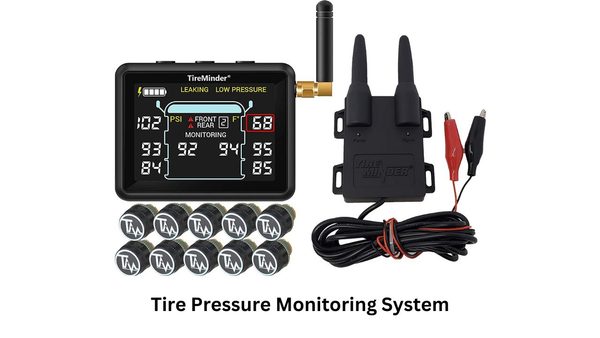
A tire pressure monitoring system, commonly called a TPMS, is one of the most important features an RV can have.
The tires are the only parts of the RV that actually meet the road. If one develops a serious problem at highway speed, the results can include RV damage, loss of control, or a dangerous roadside emergency.
Some manufacturers include a tire pressure monitoring system, but many still do not.
In my opinion, a TPMS should be standard equipment on every new RV.
What an RV Tire Pressure Monitoring System Does
A TPMS uses sensors to monitor the tires while the RV is traveling.
Depending on the system, it may track tire pressure, temperature, or both. It can then warn the driver when a tire begins losing pressure or when its temperature rises beyond a preset limit.
That early warning is extremely valuable.
A tire does not always go from normal to completely flat in an instant. A valve stem, puncture, or other problem may cause a gradual pressure loss.
As pressure falls, the tire can flex more than it should and generate excessive heat. If the driver receives an alert early enough, there may be time to pull over before the tire fails.
A TPMS Can Prevent Extensive RV Damage
A tire failure can cause much more than damage to the tire itself.
Pieces of a failed tire can strike the RV’s underbelly, plumbing, wiring, body panels, wheel wells, flooring, or holding tanks. Repairs can cost thousands of dollars.
On a towable RV or a vehicle being towed behind a motorhome, the driver may not immediately feel that a tire is losing pressure. The problem can continue unnoticed until another motorist signals the driver or extensive damage has already occurred.
I have personally experienced a situation in which a tire pressure monitoring system alerted me to excessive heat before it became a major problem. That is why I consider a TPMS essential equipment rather than just another accessory.
My article about the lessons I learned when my RV tow bar broke explains why monitoring the tires on everything you are towing is so important.
Why TPMS Sensors Should Be Integrated at the Factory
Many RVers purchase aftermarket systems with sensors that screw onto the tire valve stems. These systems can work very well.
However, manufacturers could build compatible sensors into the wheels and integrate the display with the RV or tow vehicle. They could also program appropriate pressure and temperature warning limits before delivery.
For towable RVs, manufacturers should clearly explain how the system communicates with the driver. If a separate monitor is required in the truck, it should be included with the RV.
There are very few aftermarket products that can provide as much warning and protection for a relatively modest cost. So this is one of the strongest candidates for standard equipment.
RV Feature #3: Anti-Lock Brakes on Towable RVs
Passenger vehicles have used anti-lock braking systems for decades. Many motorhomes also have ABS as part of their chassis equipment.

However, anti-lock brakes are still not commonly included on towable RVs.
That should change.
What Happens When Trailer Wheels Lock?
During hard braking, especially on wet, icy, gravel-covered, or otherwise slippery roads, a trailer’s wheels can lock and begin sliding.
Once the tires are sliding instead of rotating, the trailer may lose directional stability. It may begin moving sideways or exert unwanted forces on the tow vehicle.
And even though the tow vehicle may have anti-lock brakes, a sliding trailer can still influence the entire combination.
An anti-lock braking system rapidly controls braking pressure to help prevent the wheels from remaining locked. This allows the tires to continue rotating and can help the driver maintain more control during emergency braking.
Why Trailer ABS Makes Sense
A large fifth wheel or travel trailer can weigh many thousands of pounds.
We already expect a heavy trailer to have its own braking system. So it makes sense to apply proven anti-lock braking technology to those brakes as well.
Towable RV manufacturers could work with axle, brake, and controller manufacturers to offer complete systems designed to operate together.
Ideally, the trailer’s ABS would communicate clearly with the tow vehicle and alert the driver if a fault develops. The system should also be easy for RV technicians to diagnose and service.
Some manufacturers and suppliers are beginning to recognize the value of this technology. However, it remains far less common than it should be.
At first, trailer anti-lock brakes may be offered primarily as an upgrade. But as the technology becomes more widely available and affordable, I would like to see it become standard equipment on towable RVs.
RV Feature #4: A Built-In Electrical Management System
RVers connect to electrical sources at campgrounds and RV parks all over the country.
Most of the time, those connections work as expected. But you cannot assume that every pedestal is wired correctly or that campground voltage will remain stable.
That is why a built-in RV electrical management system should be another standard factory feature.
A Surge Protector and an EMS Are Not Always the Same
Many RV owners refer to all power-protection devices as surge protectors.
However, a basic surge protector may be designed mainly to absorb brief high-voltage spikes. Those spikes can be caused by lightning, utility problems, or electrical equipment switching on and off.
An electrical management system, or EMS, usually provides more complete protection.

Depending on the model, an EMS may monitor for:
- High voltage
- Low voltage
- Open ground
- Open neutral
- Reverse polarity
- Incorrect pedestal wiring
- Power surges
- Other potentially damaging electrical conditions
If the incoming power is unsafe, the EMS can prevent it from reaching the RV or disconnect the RV until conditions return to an acceptable range.
Low Voltage Can Be a Serious RV Problem
Large surges receive a lot of attention, but low voltage can also damage RV equipment.
Voltage may fall when many RVs in a campground are running air conditioners and other high-demand appliances. Aging campground wiring or overloaded electrical systems can contribute to the problem too.
Low voltage can cause motors and compressors to draw more current and build excessive heat. Air conditioners, refrigerators, converters, and other equipment may be affected.
And today’s RVs contain more sensitive electronic components than ever before. Control boards, televisions, computers, chargers, and smart appliances can all be vulnerable to poor-quality power.
You can learn how these parts relate to one another on my RV systems and equipment resource page.
Why Hardwired Factory Protection Is Better
Many RV owners use portable EMS units that plug into the campground pedestal.
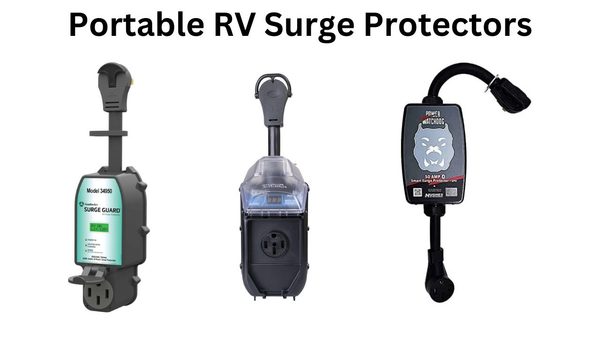
Portable units can provide excellent protection, but they also have disadvantages. They can be exposed to rain, dirt, damage, and theft.
They must also be connected every time the RV is set up and removed before leaving.
A hardwired electrical management system can be installed safely inside the RV. It can begin protecting the electrical system as soon as shore power is connected without requiring the owner to remember another setup step.
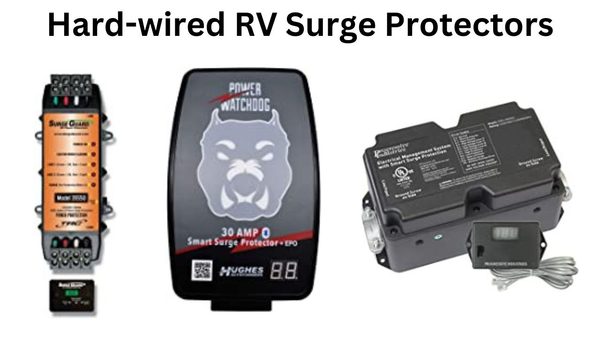
Manufacturers could also integrate the EMS display into the RV’s control panel. That would let owners see incoming voltage, amperage, error codes, and other useful information from inside the RV.
At the very least, manufacturers should provide a factory-installed EMS option for buyers who want complete electrical protection from the first day of ownership.
RV Feature #5: A Better Alternative to Roof-Mounted Air Conditioners
Traditional roof-mounted air conditioners have been used in RVs for many years.
They can cool an RV, but many are noisy, inefficient, and disruptive. The blower and compressor are directly above the living area, so owners may have to raise the television volume or speak louder whenever the air conditioner is running.
And because the units sit on the roof, they add height and weight at one of the least desirable places on an RV.
I would like to see manufacturers explore better options, including RV mini-split air-conditioning systems.
Why Mini-Split Air Conditioners Appeal to RV Owners
A mini-split separates the indoor air-handling unit from the outdoor compressor.
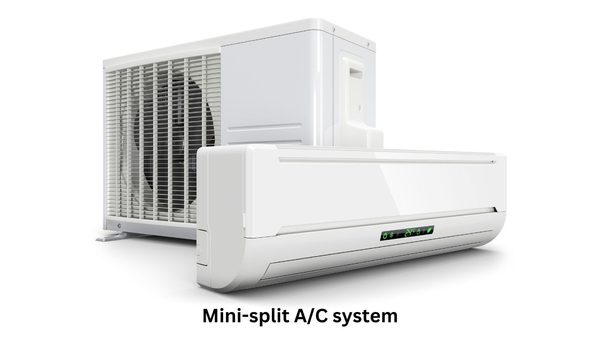
This design can provide several advantages:
- Quieter operation inside the RV
- Better energy efficiency
- More precise temperature control
- Variable-speed operation
- Less noticeable cycling
- Potential heating capability with a heat-pump model
Rather than repeatedly turning on at full power and then shutting off, many mini-split systems adjust their output to meet the cooling demand.

That can help maintain a more consistent interior temperature while using less electricity.
Why Aftermarket Mini-Split Installation Is Difficult
Although some RV owners have successfully installed mini-splits, adding one to an existing RV can be challenging.
The owner must find a suitable location for the indoor unit and a secure place for the outdoor compressor. Refrigerant lines, electrical wiring, and condensate drainage must also be routed through the RV.
Then there are questions about airflow, road vibration, weather exposure, service access, and weight distribution.
A poorly planned installation can create structural, moisture, or reliability problems.
However, many of these challenges would be easier to solve if the RV were designed for a mini-split from the beginning.
How Manufacturers Could Design a Better System
An RV manufacturer could create protected mounting locations for the indoor and outdoor components.
Refrigerant lines, drainage, and wiring could be installed during construction instead of being added through finished walls and cabinets later. The equipment could also be selected and tested specifically for road vibration and changing outdoor conditions.
A factory-designed system might not look exactly like a residential mini-split. It could be an RV-specific variation that uses the same basic principles of quieter, variable-speed, high-efficiency operation.
Traditional rooftop units may remain the lower-cost choice for many RVs. However, an efficient and quiet air-conditioning upgrade would probably appeal to a large number of buyers, especially full-time RVers and those who regularly camp in hot climates.
Should These RV Features Be Standard or Optional?
Some of these features make a strong case for becoming standard equipment.
A tire pressure monitoring system and an electrical management system provide valuable protection and can help prevent dangerous or expensive problems. Whole-house water filtration could also become standard on many midrange and higher-priced RVs.
Trailer anti-lock brakes may take longer to become widely available because they involve the RV’s braking system and its interaction with the tow vehicle.
Meanwhile, mini-split air conditioning may initially make more sense as a premium option because of its cost and installation requirements.
But even when a feature is not included as standard equipment, buyers should at least have the opportunity to select it when ordering a new RV.
Unfortunately, manufacturers often devote more attention to decorative features that help sell RVs on the showroom floor. Attractive countertops, large televisions, fireplaces, and elaborate lighting can certainly make an RV more appealing.
However, equipment that protects the RV and improves its daily operation may provide far more value after the excitement of the purchase wears off.
What New RV Buyers Can Do Now
Until RV manufacturers begin including more of these features, buyers should consider them when planning their overall RV budget.
Do not spend every available dollar on the purchase itself. Leave room for important equipment and upgrades that may not be included from the factory.
Before buying, review the RV’s standard equipment and option list carefully. Ask whether it includes a TPMS, an electrical management system, water filtration, upgraded braking technology, or more efficient climate-control equipment.
And make sure the salesperson shows you where these features are listed in the manufacturer’s documentation.
A verbal claim that an RV is “prewired” or “ready” for an upgrade does not necessarily mean the equipment is actually installed. It may only mean that part of the necessary wiring or preparation is present.
So find out exactly what is included, what remains to be purchased, and how much the complete installation will cost.
Frequently Asked Questions About New RV Features
What features should come standard on a new RV?
At a minimum, I would like to see new RVs include a tire pressure monitoring system and a built-in electrical management system. Whole-house water filtration should also become much more common.
Do new RVs come with water filtration systems?
Some do, but many provide only a basic filter or no meaningful whole-house filtration at all. Buyers should verify what type of filter is included, what it removes, and how replacement cartridges are accessed.
Does every RV need a tire pressure monitoring system?
In my opinion, yes. A TPMS can warn the driver about pressure loss or excessive heat before a tire fails. It is especially important for towable RVs and vehicles being towed behind motorhomes because tire problems may otherwise be difficult to detect.
Do travel trailers and fifth wheels have anti-lock brakes?
Most towable RVs have electric brakes, but anti-lock braking systems are not yet standard throughout the industry. Availability varies by manufacturer, axle system, and model.
What is the difference between an RV surge protector and an EMS?
A basic surge protector primarily protects against sudden voltage spikes. A full electrical management system can also monitor conditions such as high or low voltage, open ground, open neutral, reverse polarity, and incorrectly wired power pedestals.
Should an RV electrical management system be hardwired?
Both portable and hardwired systems can work well. However, a hardwired EMS is protected inside the RV, cannot easily be stolen, and operates automatically whenever shore power is connected.
Can a mini-split air conditioner be installed in an RV?
Yes, some RV owners have installed mini-split systems successfully. However, aftermarket installation can be difficult because the indoor unit, outdoor compressor, wiring, refrigerant lines, and condensation drainage all require suitable locations.
Are mini-split air conditioners better than rooftop RV air conditioners?
Mini-splits are often quieter and more energy-efficient. However, they are not designed for every RV application, and installation must account for vibration, weather exposure, weight, airflow, and service access.
Conclusion
Modern RVs offer more comfort and convenience than ever before. But manufacturers still leave out equipment that many experienced owners consider extremely valuable.
Whole-house water filtration can improve water quality and help protect the plumbing system. A TPMS can warn drivers about developing tire problems before they become disasters.
Trailer anti-lock brakes could improve control during emergency braking. An electrical management system can protect expensive RV equipment from unsafe campground power.
And a factory-designed mini-split or similar air-conditioning system could provide quieter and more efficient temperature control.
These may not be the most visually impressive features at an RV show, but they can make a major difference once the RV is actually being used.
So the more buyers ask for useful factory-installed RV features like these, the more likely manufacturers are to recognize the demand and start providing them.
And that would make RV ownership better for everyone.