
Azdel and luan are both used as layers in some laminated RV walls, but they behave differently when moisture reaches them.
Azdel offers an advantage as a wall substrate because it does not rot like wood, yet it cannot stop a leak from damaging the rest of an RV.
If you are comparing two RVs, I would look at the whole wall assembly, the condition of the coach, and its maintenance history. The name of one material is only part of that decision.
My video on how RVs are made shows the wall construction behind this comparison.
How a laminated RV wall is built
A laminated wall has several layers bonded together, often including an exterior fiberglass skin, a substrate, framing, insulation, and an interior panel. Manufacturers vary in how they assemble those layers, so ask which materials are used in the specific model you are shopping for.
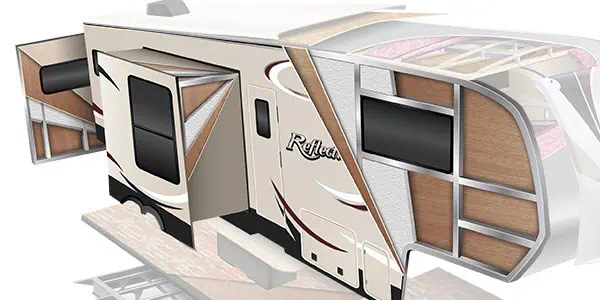
The substrate sits behind the exterior skin and helps support it. In this comparison, luan is the wood-based option and Azdel is the composite option.
What is luan?
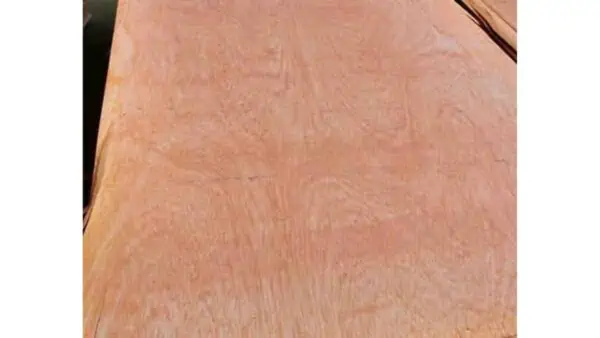
Luan is a thin plywood panel that RV builders have long used in laminated walls. It is light and useful in construction, but prolonged moisture exposure can weaken wood and the bonds around it.
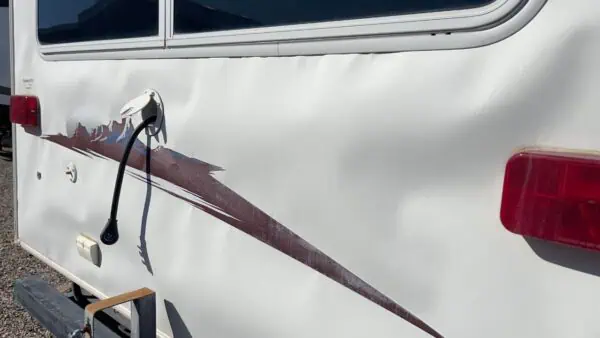
A leak does not guarantee that a luan wall will fail, and a visible bubble does not reveal the full cause by itself. It does mean the wall deserves closer inspection, because moisture, adhesive failure, or another defect may be involved.
What is Azdel?
Azdel is a composite panel used as a substitute for wood-based substrate in some RV wall assemblies. Its resistance to absorbing water is a meaningful benefit where the material is actually used.

That benefit should be kept in perspective. The surrounding adhesive, seams, framing, roof, floor, and interior materials still need to be considered when judging an RV’s resistance to water damage.
Does Azdel prevent delamination or leaks?
Azdel itself does not rot like luan, which can reduce one route to moisture-related wall damage. It does not make an RV waterproof or guarantee that a laminated wall will never separate.
Water can enter around roof edges, openings, windows, doors, or other joints and travel to areas that still contain wood. Even if the exterior wall substrate remains sound, a leak may damage the ceiling, floor, framing, or interior finish.
That is why I would never choose an RV solely because a brochure says it has Azdel. I would ask where the material is used, inspect the entire coach for moisture, and examine how its seams have been maintained.
What I would check on an RV I might buy
- Ask the builder or seller which wall layers contain Azdel or luan; do not assume the material extends into the roof or floor.
- Look along the sidewalls from several angles for ripples, bubbles, soft areas, staining, or repairs.
- Inspect roof seams, windows, doors, and other openings for signs of failed sealant or past leaks.
- Check floors and interior corners for softness, discoloration, or an odor that suggests persistent moisture.
- Have an independent RV inspector evaluate suspicious areas before you agree to buy.
A clean appearance alone cannot prove that a wall is dry inside. If an area worries you, an inspector can decide what further checks are appropriate without guessing from a photo.
Maintenance matters with either material
Whether the sidewall uses Azdel or luan, water should be kept out of the RV in the first place. Inspect joints and seams regularly and follow the RV maker’s instructions for sealant type and maintenance intervals.
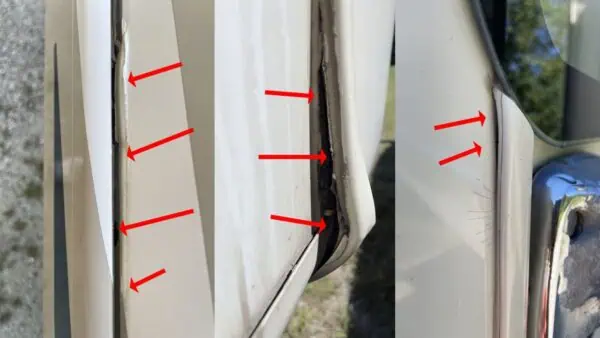
If you find a failed seal, address both the entry point and any damage the leak has already caused. A fresh bead of sealant will not repair wet wood or other damaged material hidden behind a wall or ceiling.
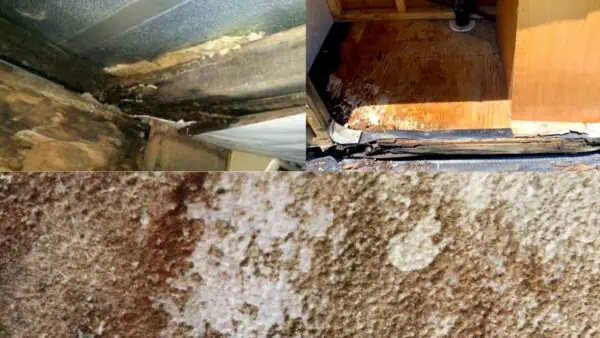
Should you reject an RV that uses luan?
I would not reject a well-built, well-maintained RV just because it uses luan, and I would not buy a poorly maintained RV just because it uses Azdel. The better question is whether this particular RV has stayed dry and is in sound condition.
I like the use of water-resistant materials, and I welcome more of them in RV construction. Still, material choice cannot replace careful construction, regular upkeep, and a thorough inspection.
The bottom line
Azdel gives you a real moisture-resistance advantage in the parts of the wall where it is used. Luan can also perform well when water is kept out, so judge the whole RV rather than one line in a sales brochure.
For more on what leaks can do beyond the sidewalls, see my guide to RV water damage and prevention. Have safe and happy travels!