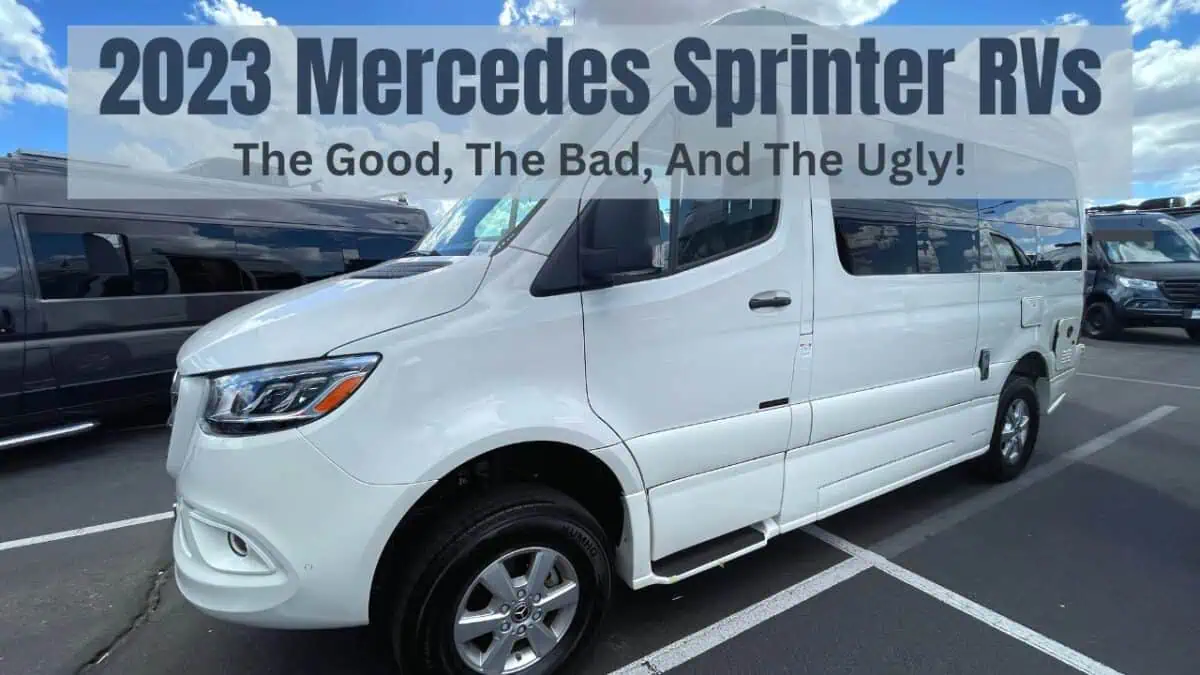
Mercedes Sprinter RVs appeal to buyers who want a smaller motorhome that feels manageable on the road.
Before choosing one, I would weigh the driving experience against service access, ownership costs, and the cargo capacity of the finished RV.
This article focuses on what I would check on the exact Class B or Class B+ coach you are considering. Equipment and specifications vary by model year and by the RV builder.
For more background, see my videos about Class B RVs and Class B+ RVs.
What is a Sprinter-based RV?
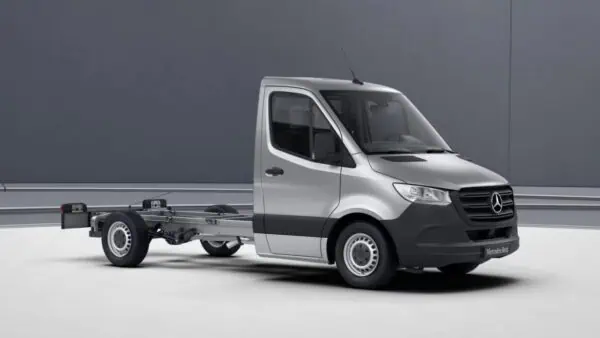
The Mercedes-Benz Sprinter is a vehicle platform that RV builders use for some Class B vans and larger coach-built motorhomes. The builder adds the living space, so two Sprinter RVs can have very different layouts, weights, and ownership costs.
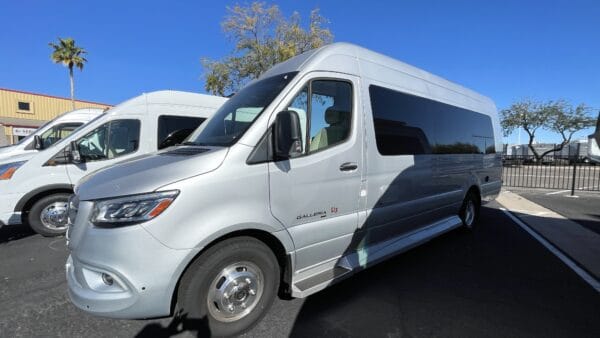
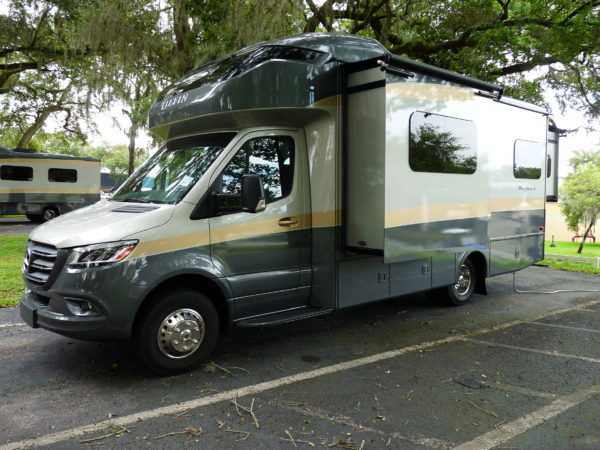
If you are still choosing between RV types, my Class B+ guide explains how that style compares with other small motorhomes. Then use the points below to evaluate a Sprinter-based example in person.
What owners often like about Mercedes Sprinter RVs
Driving and maneuverability
Many buyers like the Sprinter’s driving position and the ease of handling a smaller RV. Take a test drive on the roads you actually use, because overall length, height, turning room, and parking convenience vary with the conversion.
Try the driver’s seat, mirrors, visibility, and cab controls for yourself. The RV should feel comfortable to you, especially if you expect long travel days.
Fuel use and engine choice
Fuel economy is one reason some buyers look at a Sprinter-based motorhome. Actual mileage depends on the drivetrain, RV body, loading, terrain, speed, and driving habits, so I would not buy based on a single owner’s mileage claim.
Ask for the service history and check the maintenance requirements for that exact year and engine. Good records matter more to me than an unsupported promise about how many miles an engine might last.
Safety and comfort features
Depending on the year and equipment, a Sprinter may offer driver-assistance features that buyers value. Confirm which features are present on the exact vehicle and learn their limits during the test drive.
Interior standing room and sleeping comfort also vary by conversion. Stand where you will cook, shower, and dress, then see whether the bed and seating really suit the people who will travel with you.
Potential resale appeal
Sprinter-based RVs often attract buyers who want this platform, but resale value still depends on age, condition, layout, mileage, and local demand. Compare real listings for similar coaches instead of assuming the badge alone protects your investment.
The tradeoffs I would examine before buying
Purchase, service, and repair costs
A Sprinter-based coach may cost more to buy and maintain than some alternatives. Ask local service providers what they can handle, compare routine-service prices, and leave room in your budget for unexpected repairs.
If you are weighing a Sprinter-based B+ against a traditional Class C, my Class B+ versus Class C comparison covers those cost and service trade-offs.
Follow the maintenance schedule for the exact chassis and keep the records. If a seller cannot show the history of a used RV, allow for more uncertainty in your offer and inspection plans.
Finding a service facility
Not every repair shop can work on every Sprinter-based RV, and a facility that services the chassis may not repair the living area. Before buying, locate options near home and along routes where you often travel.
Ask whether each shop can accommodate the completed RV’s height, length, and weight. A service listing for a standard van does not necessarily mean the shop can accept your motorhome.
Cargo carrying capacity
A well-equipped RV can look roomy while leaving limited weight capacity for passengers and supplies. Check the finished RV’s cargo carrying capacity label, not merely a chassis specification in a brochure.
Include water, food, luggage, accessories, and the people riding in the RV when you calculate your expected load. If the numbers are tight, look for a different floor plan or coach rather than hoping you will travel light.
Should you buy an extended service plan?
Some owners prefer a service plan to make large repair bills more predictable. Read the exclusions, deductibles, claim process, covered components, and repair-facility rules before deciding whether the cost makes sense.
I discuss those tradeoffs in my RV extended warranty guide. My partner Wholesale Warranties can provide a quote if you decide to compare plans.
My Sprinter RV shopping checklist
- Confirm the exact year, drivetrain, safety equipment, and RV builder specifications.
- Test drive the completed motorhome and try the living area with the slides, if any, in travel position.
- Read the finished RV’s weight label and calculate the load you expect to carry.
- Review chassis and coach service records, and arrange an independent RV inspection.
- Identify chassis and house-system repair options you can actually use.
- Compare the purchase price and expected ownership costs with other small motorhomes.
The Sprinter chassis is only part of the buying decision, because the RV builder determines how the living space is designed and assembled.
If you want to compare more manufacturers, my Class B motorhome brand recommendations include choices on several different chassis.
For a comparison that includes Sprinter-based options and the Ram ProMaster-based Travato, read my article on three Class B choices for full-time travel, focused on the 2025 model year.
More help choosing a quality small RV
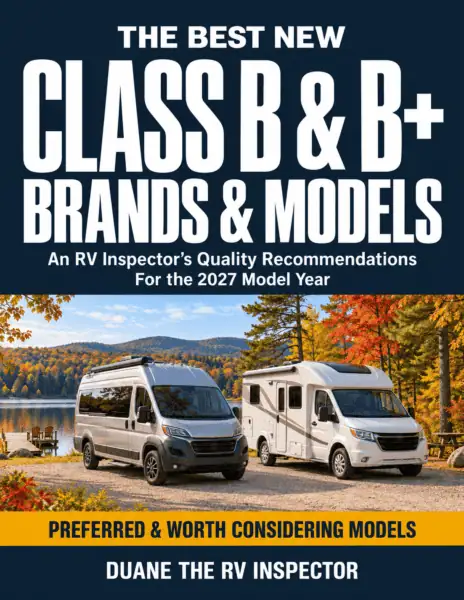
My guide to Class B and B+ RVs can help you narrow your search to builders I recommend considering. Use it alongside an inspection of the individual coach, whether you buy new or used.
I also have separate guides for buying a new RV and buying a used RV. They can help you organize the questions to ask before you commit.
The bottom line:
A Mercedes Sprinter RV can be a good fit if you value a smaller driving experience and the layout meets your needs. Make the decision with the exact coach’s capacity, service history, local repair options, and inspection results in front of you.
Have safe and happy travels, my friends!
Thanks
You’re welcome. I’m glad you enjoyed the information!